Croatian Bureau of Statistics Eurostat
Prices Rise Again: Croatia’s Inflation Hits 3.8% in November, Double the Eurozone Average
02.12.2025.
11/09/2026

Prices in Croatia in October were on average 4.9 percent higher than a year earlier, according to the first estimate by the Croatian Bureau of Statistics.
Energy became 20.7 percent more expensive, and services 7.5 percent. Economist Ivan Žilić from the Institute of Economics in Zagreb explained for N1 why Croatia continues to record higher inflation than the eurozone average.
When prices are measured in the same way in all eurozone member states, October inflation in Croatia amounts to 4.4 percent, while the eurozone average is 4 percent. Žilić says that more expensive energy is pushing up prices elsewhere in Europe as well. In Croatia, he adds, the rise in service prices stands out in particular.
Žilić sees part of the explanation in the fact that the Croatian economy is growing faster than the eurozone average. 'If we are growing faster than our potential, the price of that will be inflation,' he said. In other words, if demand grows faster than companies can increase supply, price increases happen more easily.
'Capping the prices of food products is not a fight against inflation,' said Žilić. According to his explanation, that measure makes it easier for consumers to buy products whose prices are capped, but it does not remove the reasons why prices in the economy are rising.
He considers the mandatory publication of price lists useful because price comparison apps were created from that data. Still, retailers have not equalized prices because of public price lists. As an example, he cited a bottle of water, whose price, depending on the store and location, differed by 8 to 10 percent.
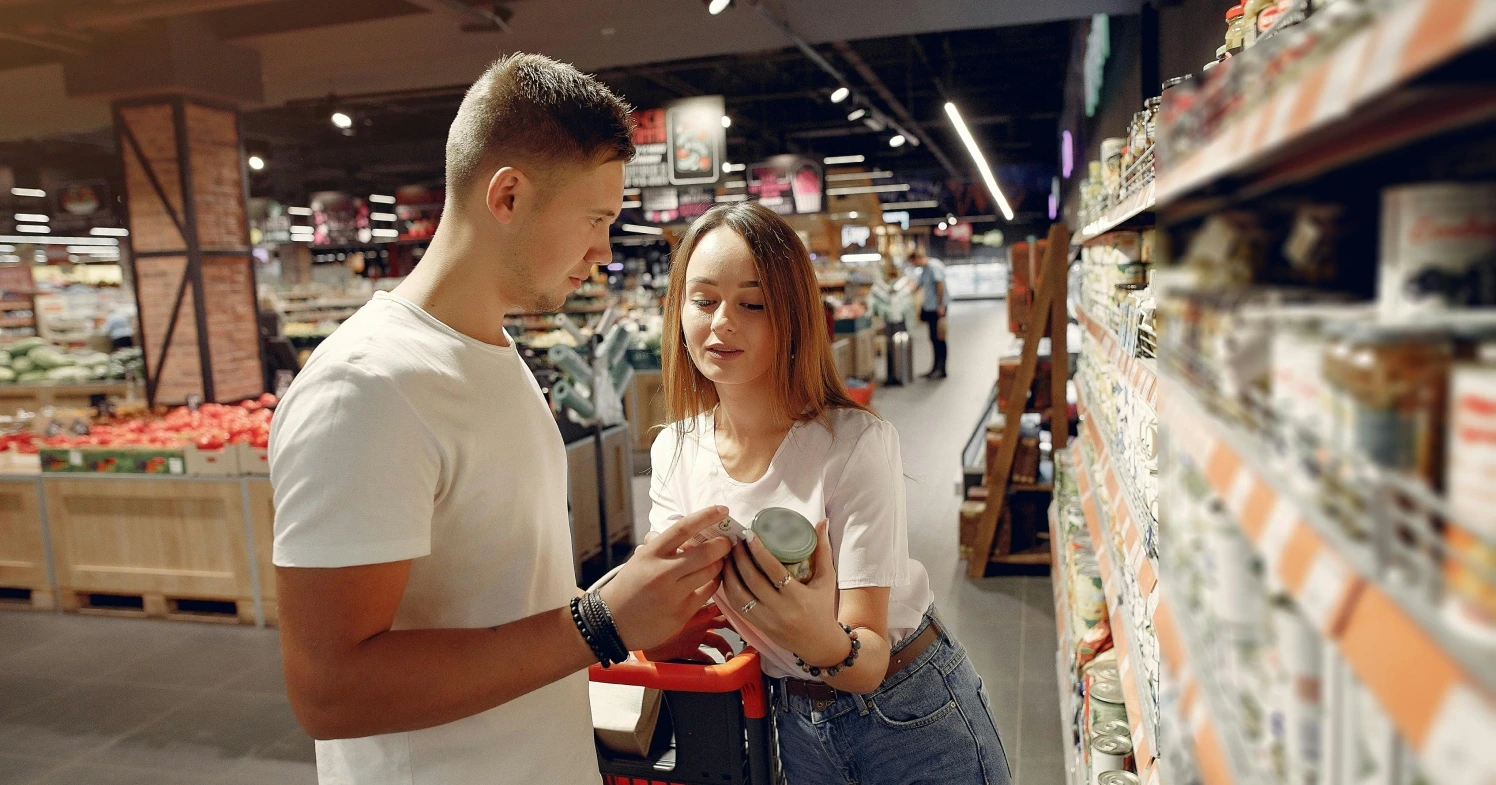
For a consumer who wants to save money, it is more useful to compare the price of the entire basket than to look for the cheapest store based on a single item. A chain where water is cheaper may be more expensive for other products on the list. Public price lists help make that difference visible before going to the store, without visiting several branches for each individual item.