


Germany pensions
Germany Considers Retirement Based on Years Worked, Not Age: 'What Will I Do After 70?!'
09.12.2025.
08/01/2025
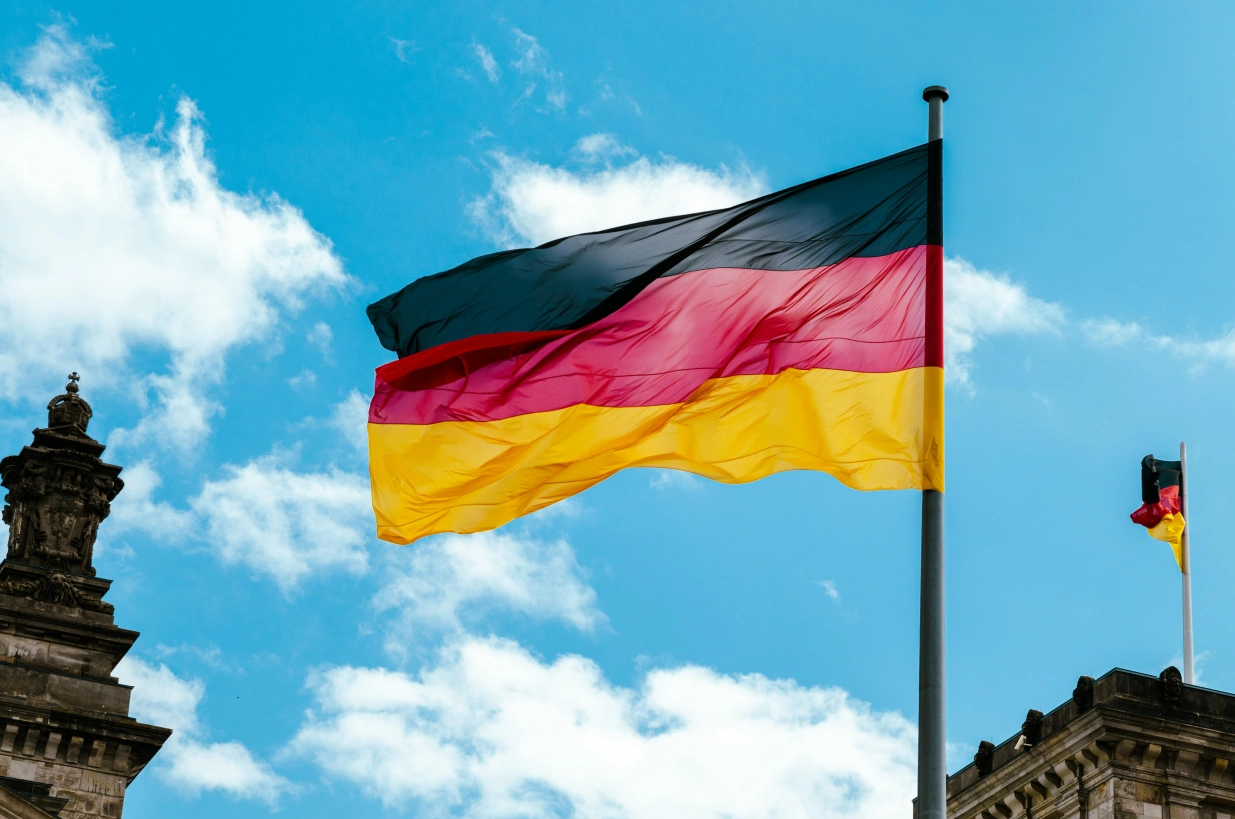
The German pension system has for years been facing increasing pressure due to demographic changes and an aging population.
The German pension system is facing enormous challenges caused by an aging population, which is why Economy Minister Katherina Reiche advocates a longer working life, believing that longer and more intensive work engagement by citizens would help stabilize the system. The minister points out that current coalition promises are not sufficient and emphasizes the necessity of accepting demographic realities that should encourage the population to work until a later age, writes Deutsche Welle.
Germany's demographic picture shows that the average age of residents is almost 47, among the highest in the world, and forecasts say that by 2040 a quarter of Germans will be 67 or older. While in the early sixties there were as many as six employees for every pensioner, today that ratio is two to one, which is placing an increasing burden on the budget, since now almost two thirds of the Labor Ministry's funds go precisely to pensions.
Some politicians and trade unions reacted sharply to proposals to extend working life. The Social Democratic Party of Germany considers such ideas unfair to workers in demanding professions, pointing out that some employees already now reach retirement age with difficulty. Trade unions warn that many workers, especially those in more difficult occupations, would find it hard to work longer due to health reasons, which would force them into early retirement and a significant reduction in income.
The current retirement age limit is 65, and by 2031 it will gradually rise to 67 depending on year of birth and length of service. There are exceptions for people with disabilities or those with 45 years of contributions to the system. The share of salary contributions amounts to 18.6 percent, evenly distributed between worker and employer. It is projected that this percentage could rise to more than 22 percent by 2035. Experts such as Johannes Geyer point out that every change particularly affects workers in different occupations – for example, it is easier to work longer if you are an office worker than a manual laborer.
Focusing the reform debate only on the retirement age is considered a flawed approach because there is a range of other possible measures, such as improving childcare, which would enable greater employment of parents, facilitating and encouraging immigration, as well as including new groups in mandatory pension insurance.
The German pension model is based on intergenerational solidarity, whereby today's workers pay for today's pensioners. Unlike some other European countries, Germany does not have mandatory private pension options that could supplement state pensions and strengthen the entire system. By comparison, for example, Denmark automatically adjusts the retirement age to life expectancy, and Sweden invests part of pension contributions in the market, thus reducing long-term risks.
It is widely known that pension systems across Europe are under pressure due to longer life expectancy and lower investment returns. The reduction in the number of young people in the working population means that every new employee today is extremely valuable for the sustainability of pension funds. At the same time, pension systems face constant needs for reforms so that they can respond to the needs of the older population and guarantee income security.
It has been shown that simply increasing the retirement age is not always an effective solution – models of flexible work, partial retirement, and various forms of supplementary insurance are also being experimented with. Expanding the sources of financing for the pension system is also becoming increasingly important, for example through encouraging the employment of migrants or better integrated tax measures.
In the current German context, more and more citizens recognize the importance of individual savings, as well as investments through private pension funds, although for now this model is mainly used among the population with higher incomes. Sustainable reform requires a combination of measures – from changes in labor legislation, through social policy, to adapting pension funds to market and demographic conditions.
Experts agree that a transparent public debate with realistic expectations of the pension system can help strengthen public trust and create a more stable future for all future generations of pensioners.