

personnel services Germany
German Airports Hiring Workers: No Experience Needed, Free Accommodation and Training Provided
02.03.2026.
07/27/2022

WHETHER it is industry, hospitals, or crafts – the labor shortage is an increasingly serious problem in Germany. The arrival of workers from abroad is not working as imagined. Now the Immigration Act should be reformed, writes Deutsche Welle.
It could have been a lovely evening. “I would have a table for you,” the restaurant owner said over the phone, “but unfortunately there is no one who could cook for you.” This is no joke. Throughout Germany there are not enough chefs, kitchen assistants, and waiters. But labor is not a problem only in hospitality.
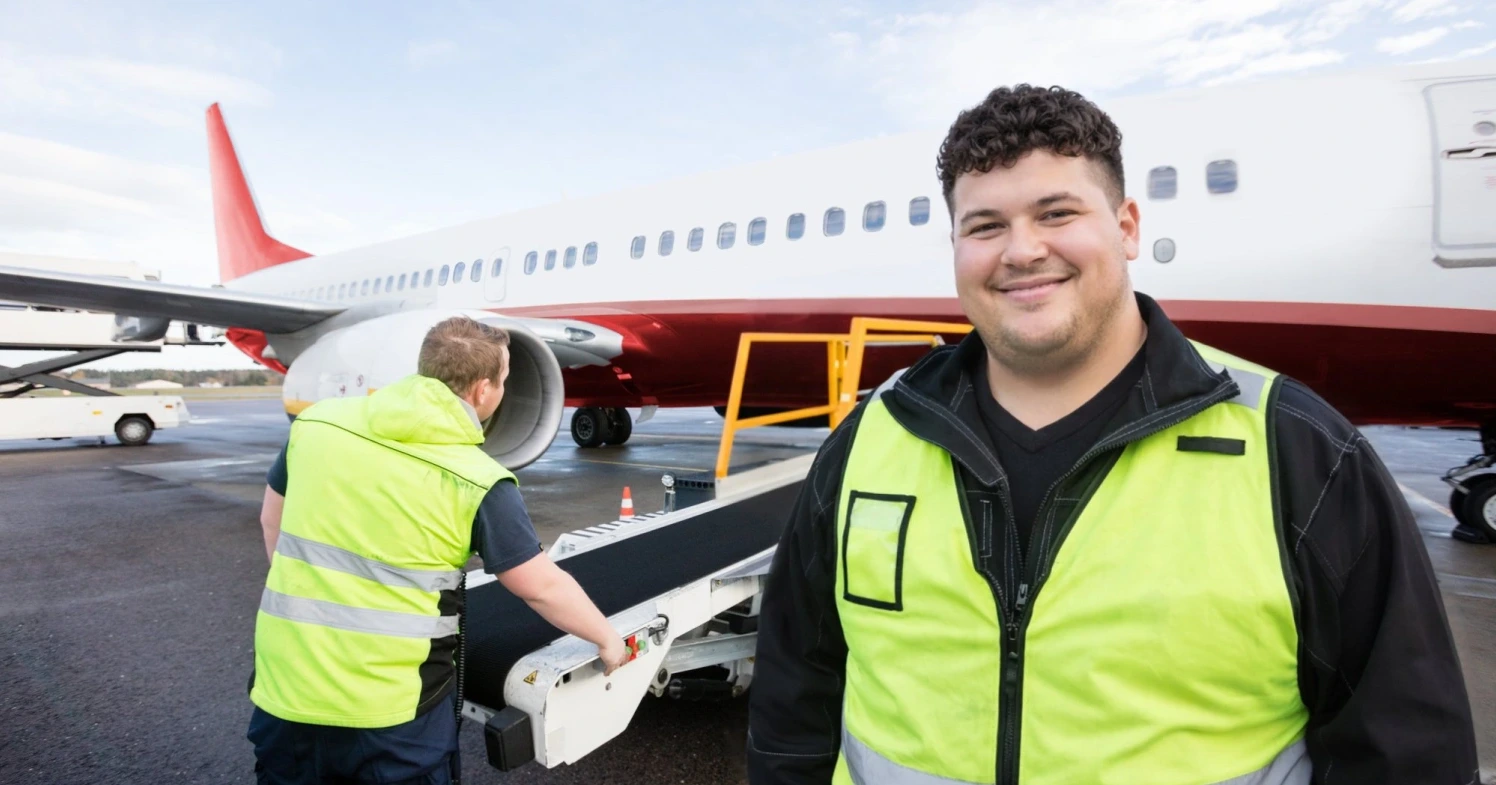
Trains are being canceled because there are not enough train drivers. Suitcases are piling up at airports because there is no one to load them. At security checks people are losing their nerves because, due to excessively long lines, they cannot reach their planes in time. Kindergartens are withdrawing their confirmations of children's admission because there are not enough educators.
In a survey by the German Chamber of Industry and Commerce, which represents the interests of several million companies from industry, trade, and services, 56 percent of firms complain about a worker shortage and consider it one of the greatest dangers to their business.
The German Employment Agency records a labor shortage in 148 occupations, while another 122 occupations are at risk. On average, eight months pass before a nursing home finds a caregiver. Construction companies wait an average of half a year before they find workers. Across the country, advertisements have been posted for more than 1.7 million vacant jobs.
“Five to ten years ago we advertised only in ads in order to sell our services. Today we pay for advertisements in media of all kinds in order to find workers,” complains Markus Winter, director of the company IDS in Baden-Württenberg, which hires out workers of all kinds. The company has around 750 employees and needs staff in more than 20 occupations, from locksmiths to painters, from forklift drivers to van drivers for beverage deliveries.
The labor shortage did not appear suddenly. “We are now in a relatively dramatic situation that we had long predicted,” says Herbert Brücker, professor at the Institute for Labor Market and Occupational Research in Nuremberg. According to his observations, demographic changes are now clearly noticeable.
Germany loses around 350,000 members of the working-age generation every year. At the same time, the demographically strong generations will only retire in a few years. Experts like Brücker estimate that by 2035 there will be a shortage of seven million workers on the labor market.
That is a huge gap. To fill it, it is necessary for around 400,000 immigrants to come to Germany every year – and stay there. This refers to immigrants from countries outside the European Union.
Since 2012, specialists with academic education have been able to come to Germany thanks to the so-called “EU Blue Card”. In 2020, the Skilled Immigration Act (FEG) also came into force, which does not cover only academically educated immigrants. But it is not working as expected.
Herbert Brücker speaks of “disappointment” and recalls that in 2020, 30,000 workers from abroad came to Germany, but that 20,000 workers also left the country at that time.
The German government is now planning a reform of the law so that the labor market is opened up also to workers who do not have the required diploma or certificate – they should be given the opportunity to obtain it in the companies that accept them.
Germany previously insisted on the “equal value” of diplomas – but that is now the past: in the future, when hiring, companies should be able to freely assess whether they need someone or not, and the diploma will be of secondary importance.
But in practice things will still proceed with great difficulty. Lawyer Bettina Offer knows this well, as she advises companies that want to hire workers from abroad. Even with an employment contract in their pocket, it is still difficult to get an appointment to obtain a visa at German embassies, says Offer, adding that the review of applications takes months.
“The authorities constantly express suspicion that my employers are trying somehow to smuggle foreign workers into Germany, and they do not want to understand that employers are only looking for labor.” She speaks of a “deeply rooted defensive attitude” among the competent authorities. “It is still necessary to fight against such an attitude and we need a paradigm shift. Every worker who comes to us is a gain for our country.”
Source: index.hr