

Montenegro foreign workers
Montenegro Sees Seasonal Rescue in Foreign Worker Imports Following Croatia’s Model
16.02.2026.
07/23/2025
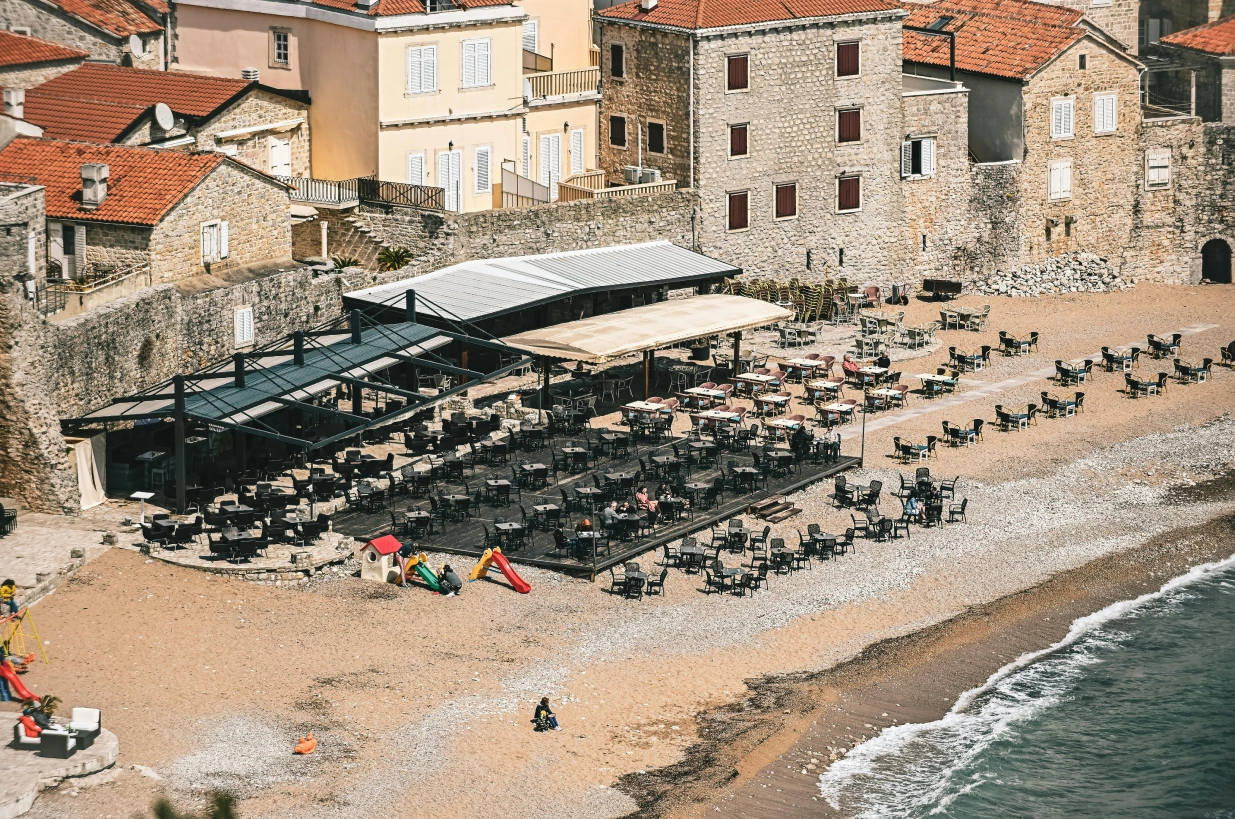
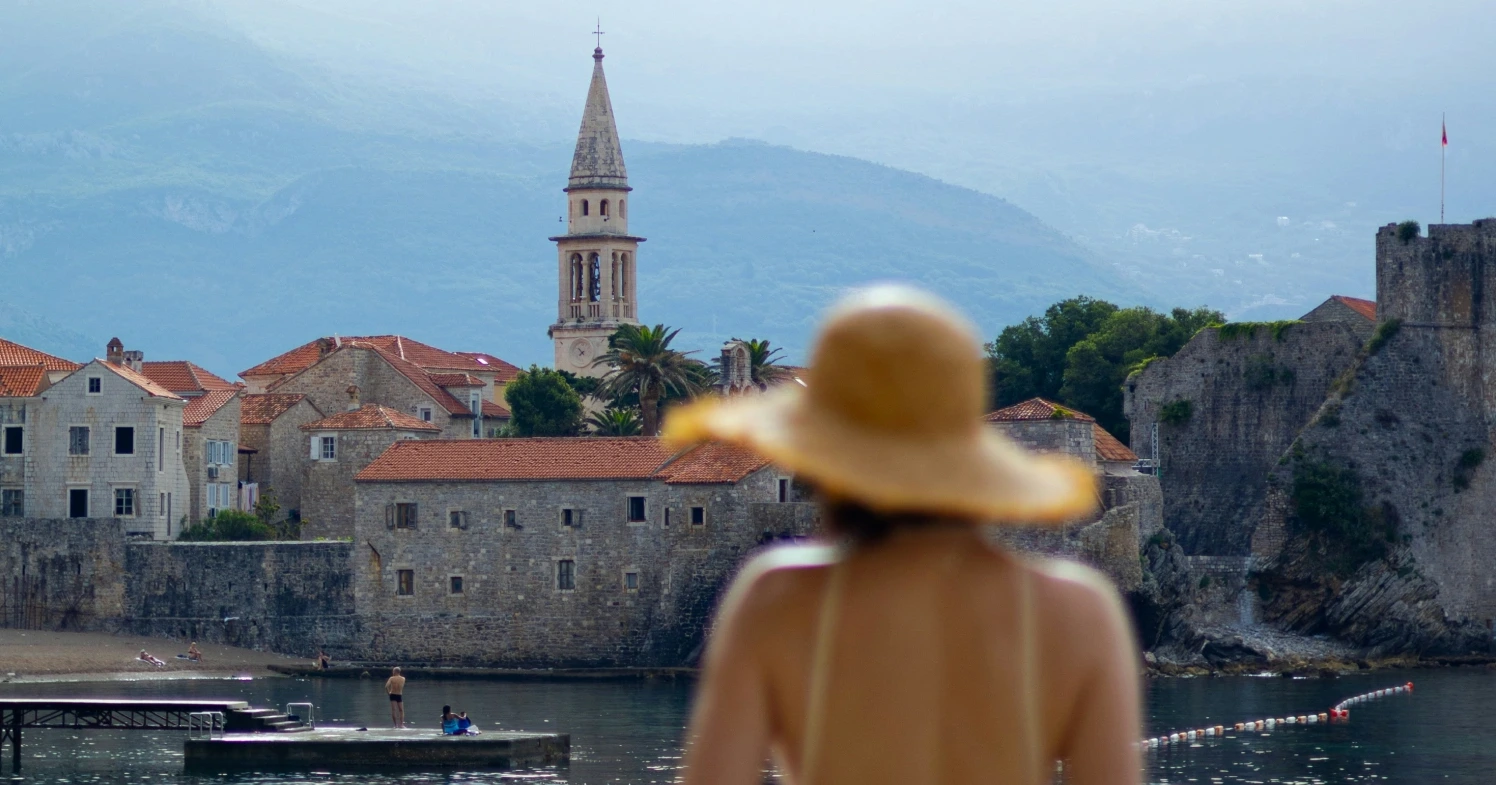
At the very peak of summer, the Montenegrin coast is welcoming tourists with empty beaches and half-empty cafés, while landlords and hospitality workers watch in disbelief as July slowly slips away and they are still waiting for the real season, writes Nova.rs. The scene resembles the days of the pandemic more than the “old normal,” so many do not hide their disappointment. “Prices are high, and there are not as many guests as in previous years. Everything reminds us of forgotten times when domestic guests were saving us,” points out Miljana, the owner of a beauty salon in Budva.
Serbian tourists as salvation, but this year they are a rarity
Foreigners are present, Italian, German, and Spanish can be heard, while there are Russians and Ukrainians throughout the year, especially in larger cities, but for the local population the dearest and economically most important are guests from Serbia. “Serbs spend everything they bring, they do not save on vacation, and this year there are very few of them. There are not even any 'tomato tourists' anymore, and that best speaks to the dramatic situation,” Miljana told us. Private accommodation in coastal towns is sitting half-empty this year. The hardest hit are landlords who are used to Serbian and Bosnian guests returning year after year.
Economy, politics, and competition as causes of weak interest
Some believe that the political situation is the main reason for the smaller number of guests from Serbia, while others point to economic reasons. “People no longer have money even for basic groceries, let alone expensive summer arrangements,” claims Jovica, a waiter from Budva. He notes that rents for business premises reach tens of thousands of euros and many owners are already on the brink of bankruptcy. “Prices are not our responsibility, that is dictated by owners and the state, but if they want to save the season, they have to lower them,” he concludes.
Price shock on the beaches
Prices in Montenegro this season are the subject of numerous discussions, especially in the media, because the rental of sunbeds and umbrellas on elite beaches, such as the one in Pržno near Sveti Stefan, has reached an incredible 200 euros per day. In less exclusive urban locations, prices vary between 15 and 120 euros, while private accommodation ranges from 40 to more than 90 euros per night, depending on the location and type of accommodation.
For a family of four, one day at the beach with the rental of sunbeds, umbrellas, coffee, and ice cream can easily reach 50 euros or more, and food and drink prices in beachside venues are often two or three times higher than in ordinary cafés in town. In fast food restaurants, a meal for a family almost never falls below 20 euros, while the prices of coffee, beer, and desserts are constantly rising.
It is important to emphasize that Montenegrin tourism still has not found a balance between service quality, price, and guest structure. According to data for 2025, the number of tourists in the first five months is 5.5% higher than last year, however the number of overnight stays is declining due to shorter stays and the growing popularity of other destinations such as Albania and Greece, where prices are more affordable.
Most private apartments are recording only 50 to 60% occupancy even in the heart of the season. Besides affordability, poorly connected airline routes and infrastructure are also problematic: “Guests from Western Europe and Asia are increasingly canceling because of traffic complications, so although we have more arrivals, our overnight stays are falling,” points out Nikola Pejović from the Hotel Association of Montenegro.
Unlike about ten years ago when Serbian guests formed the backbone of the season, today’s trends indicate that there are more and more guests from Israel, China, and Western Europe, but they rarely return and stay for shorter periods, which prevents stable income for landlords and hospitality workers. “Tourists who are not from the region do not leave much money, they do not go out and spend like our people. They leave after a few days,” admits Dragan Popović, a private landlord from near Petrovac.
Montenegro still strongly depends on guests from Serbia, who account for the highest number of arrivals and overnight stays. Still, their numbers are clearly no longer a guarantee of a full season. Local hospitality workers warn that the key to recovery is lowering prices and improving infrastructure, while experts recommend greater diversification of the offer and the promotion of sustainable and year-round tourism.
Numerous owners of apartments and smaller hotels are facing high taxes and levies, which is why they can no longer lower prices further without a direct risk to the survival of their business.
The most famous Montenegrin beaches such as Jaz, Mogren, and Bečići still offer attractions to tourists, but prices in elite locations remain out of reach for a large number of guests.
The beaches are mostly pebbly or sandy-pebbly, which makes them attractive to certain guests, but the lack of large free public amenities makes access difficult for families with smaller budgets.
“This year we have unusually few guests from Serbia and Bosnia. People apparently do not have money even for accommodation and food from the store because everything is so expensive that I do not even know how we are surviving,” notes Miljana from Budva.
“Rents for business premises are enormous, and turnover is weak. If we do not lower prices, the season is over,” warns Jovica, a longtime waiter.
“We have guests from all over the world, but Serbs are our dearest, we live off them,” says Dragan Popović, who rents apartments in Petrovac.
Finally, let us recall that regional media reported that the rental of two sunbeds and an umbrella on the famous beach in Pržno amounts to as much as 200 euros per day, while for guests of Hotel Maestral that service is included in the price of the stay.