


Croatian Bureau of Statistics inflation
Inflation in Croatia Shows No Signs of Slowing: Prices Up 3.4% Year-on-Year
05.02.2026.
12/15/2025

According to the latest data from the Croatian Bureau of Statistics (DZS), consumer prices in November 2025 continued to rise, recording an average increase of 3.8% compared with November 2024.
On a monthly basis, compared with October 2025, prices of goods and services for personal consumption were on average 0.6% higher. These data represent the general measure of inflation in the Republic of Croatia.
The DZS analysis by main ECOICOP (European Classification of Individual Consumption according to Purpose) classification groups reveals that the biggest hit to household budgets still comes from the Housing, water, electricity, gas and other fuels group. Prices in that group rose by an impressive 8.8% year-on-year, contributing a significant +1.49 percentage points to the overall increase.
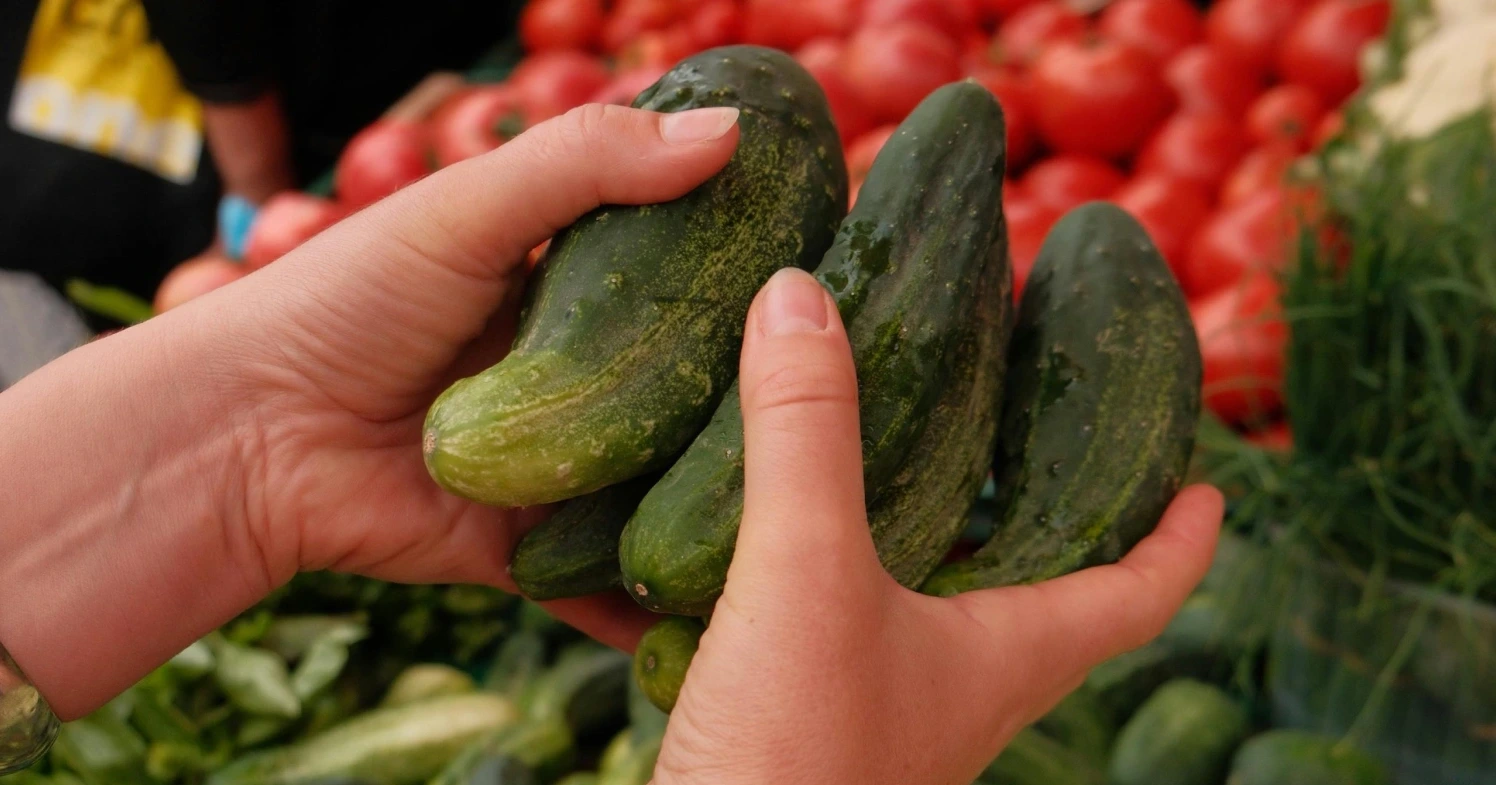
They are followed by the Restaurants and hotels group with an increase of 7.3%, and Communication and Alcoholic beverages and tobacco with growth of 5.1% and 5.0%, respectively. Prices of Food and non-alcoholic beverages rose by 4.0%, contributing +1.07 percentage points, showing that food costs continue to play a key role in inflation. Growth was also recorded in the groups Health (4.7%), Recreation and culture (3.7%), Miscellaneous goods and services (3.4%), and Furnishings, household equipment and routine household maintenance (0.4%).
The year-on-year increase in prices was mitigated by price declines in only three groups: Clothing and footwear (-2.5%), Education (-1.3%), and Transport (-0.1%).
On a monthly basis, compared with October 2025, the largest price increase was again recorded in the Housing, water, electricity, gas and other fuels group, with growth of 2.4%. Significant monthly growth was also recorded in Clothing and footwear (1.3%) and Transport (1.1%).
Viewed by special aggregates, the components Services (6.6%), Energy (5.2%), and Food, beverages and tobacco (4.1%) recorded year-on-year price growth. The only decline was recorded in Non-energy industrial goods (-0.1%). On a monthly basis, Energy prices rose by 3.5%, while prices of Food, beverages and tobacco and Services remained unchanged on average.
Alongside the national index, the Harmonised Index of Consumer Prices (HICP), which enables comparison of inflation among European Union countries, also shows an upward trend. Prices measured by the HICP in November 2025 were on average 4.3% higher year-on-year and 0.3% higher month-on-month.
The latest DZS data clearly show that the main burden of inflation remains concentrated on basic living costs, primarily housing and energy, whose growth far exceeds the average inflation rate. Despite a slight decline in several smaller categories, citizens continue to feel strong pressure on purchasing power, especially through higher food and housing prices, unavoidable expenses for every household. Although a stabilisation of inflationary pressures is expected, high annual growth rates in key sectors still require careful monitoring of economic policy and market developments.