


promised land abroad
What Is the New Promised Land for Living and Working — and Does It Even Exist?
15.04.2025.
02/20/2026
Particularly affected were the airports in Vienna and Munich where a record number of canceled flights was recorded.index.hr, Vienna Airport was temporarily closed to all traffic due to extreme weather conditions, creating major problems for thousands of passengers.
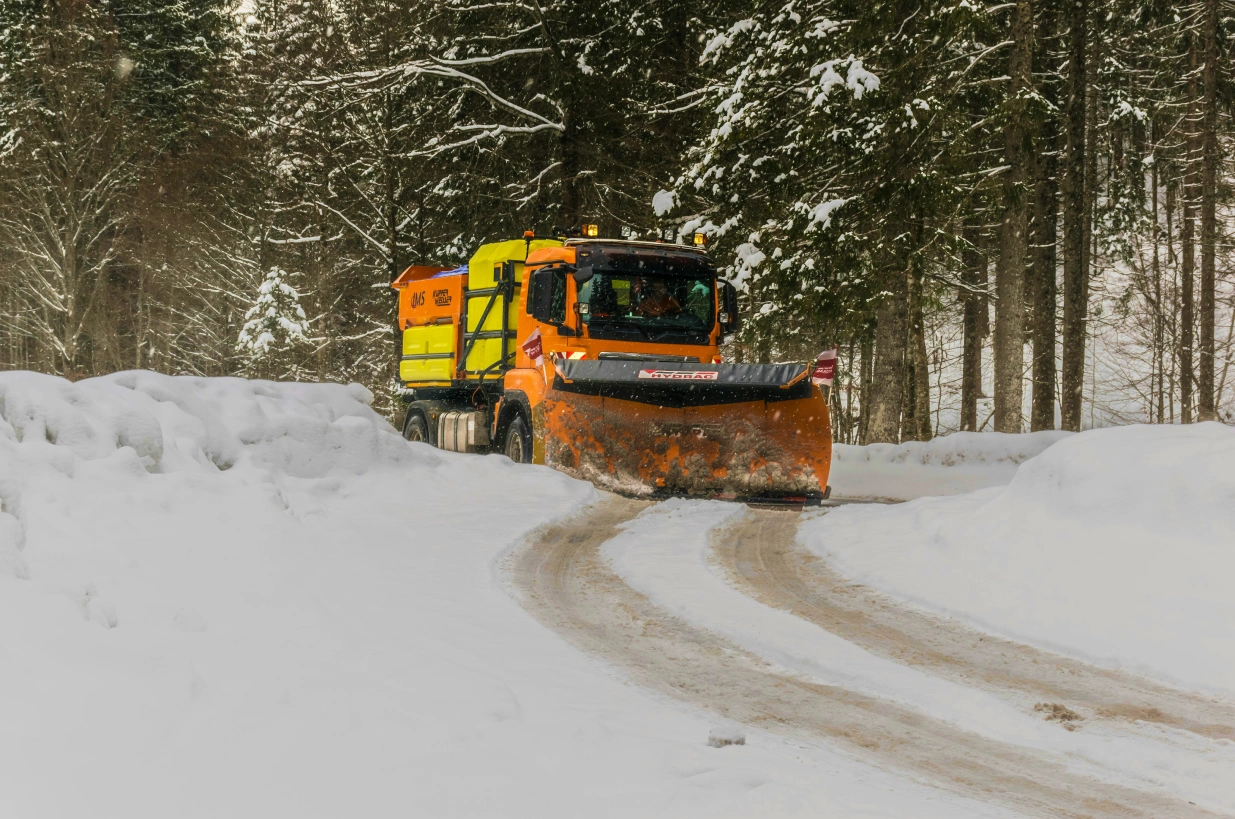
During the strongest impact of the blizzard, more than one hundred and fifty flights were canceled in Vienna, directly affecting thirteen thousand people. A similar situation was recorded in Munich, where traffic was interrupted for most of the morning. Winter services in Vienna deployed more than two hundred employees and one hundred special vehicles to clear more than fifteen thousand tons of snow from the runways. Although traffic is slowly stabilizing, passengers have been warned of possible delays during the rest of the day.
In addition to air traffic, the snow caused numerous accidents on the roads in Bavaria, where around twenty people were injured. A particular problem was the wet and heavy snow which, under its own weight, breaks trees, leading to road blockages and interruptions in the power supply. In Styria, thirty thousand residents were left in the dark due to failures at substations. In mountainous areas, a high level of danger from snow avalanches was declared, which occur when a new layer of snow does not bond well with the old base and then, under the influence of gravity, starts moving down the slope.
After the sudden winter strike, meteorologists are announcing a drastic rise in temperatures already during the upcoming weekend. Such changes are common for transitional periods when intrusions of cold air from the Arctic suddenly give way to warmer air masses from the south. However, the rapid melting of snow could bring new challenges, as rising river levels and additional soil saturation are expected.
These extreme weather conditions have once again shown the vulnerability of modern infrastructure in the face of natural forces. Although winter services responded at maximum capacity, a synchronized blizzard strike on key transport hubs is almost impossible to completely neutralize without temporary disruptions. Passenger safety in such situations remains the absolute priority, even at the cost of major economic losses caused by the temporary closure of the skies over Europe. Timely preparation and passenger patience are the only adequate responses to the unpredictable force of winter.