

Croatian Employment Service foreign workers
Croatia Tightens Rules: Foreign Workers Must Be Careful Not to Lose Their Permit
13.07.2026.
08/14/2026

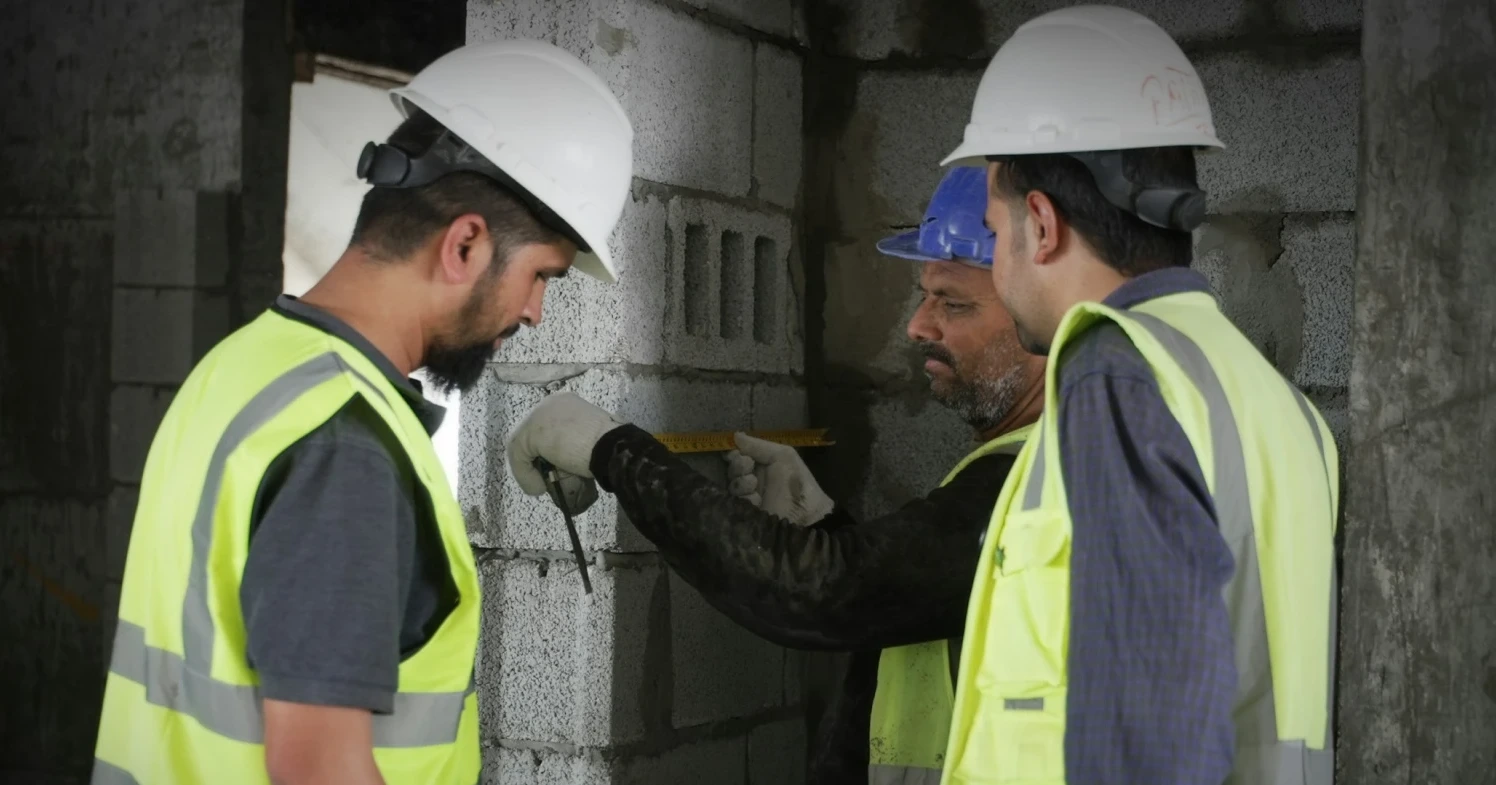
Photo: Illustrative in nature
From January 1 to July 31, 2026, Croatia issued 106,395 residence and work permits.
That is 7.5 percent less than in the same period last year and 19.3 percent less than in 2024. Despite the decline, more than 100,000 permits in just seven months shows how much the domestic labor market still relies on foreign workers, at least according to Interior Ministry data.
For new employment, 41,716 permits were issued this year, while in the same period in 2024 there were 85,400. That is 43,684 fewer, or a decline of 51.2 percent. Simply put, the number of new permits has more than halved in just two years.
Extensions are moving in the opposite direction. Their number increased from 31,619 to 41,388, which is 9,769 more or growth of 30.9 percent. Seasonal permits rose even more strongly, by 56.7 percent, to 23,291. The data thus show that Croatia is increasingly relying on foreign workers who are already in the country, as well as on seasonal work.
The most permits were issued in tourism and hospitality, 43,693, and construction, 27,172. These two sectors account for 66.6 percent of all permits. Among the possible reasons for the decline in new permits are stricter criteria from the amendments to the Foreigners Act, more detailed checks of employers, conditions related to their business operations and number of domestic workers, and greater responsibility for accommodation. Part of the difference also stems from the fact that a worker who remains in Croatia is recorded through an extension, not as new employment.
At the top is Bosnia and Herzegovina with 19,521 permits, and Serbia, with 17,876, returned to second place after being third last year. They are followed by the Philippines with 15,732 and Nepal with 14,525 permits. The number of permits issued to citizens of the Philippines increased by 49.7 percent in one year and as much as 83.5 percent in two years. Such growth suggests that Croatian employers are satisfied with Filipino workers and are hiring them increasingly often.
Dependence on foreign labor is best seen alongside unemployment data. At the end of July, only 62,064 unemployed persons were registered with the HZZ, 15.2 percent fewer than a year earlier, while the unemployment rate stood at 3.3 percent.
This is one of the lowest recorded levels, which means that Croatia no longer has a sufficiently large domestic pool of workers for all the needs of tourism, construction, industry, and transport. Foreign workers are therefore no longer an exception, but one of the pillars of the Croatian economy.