



BiH Bosnia and Herzegovina
Bosnia and Herzegovina Is Running Out of Workers: 'We Only Seek a Fair Chance to Live from Our Work'
25.02.2026.
02/26/2026
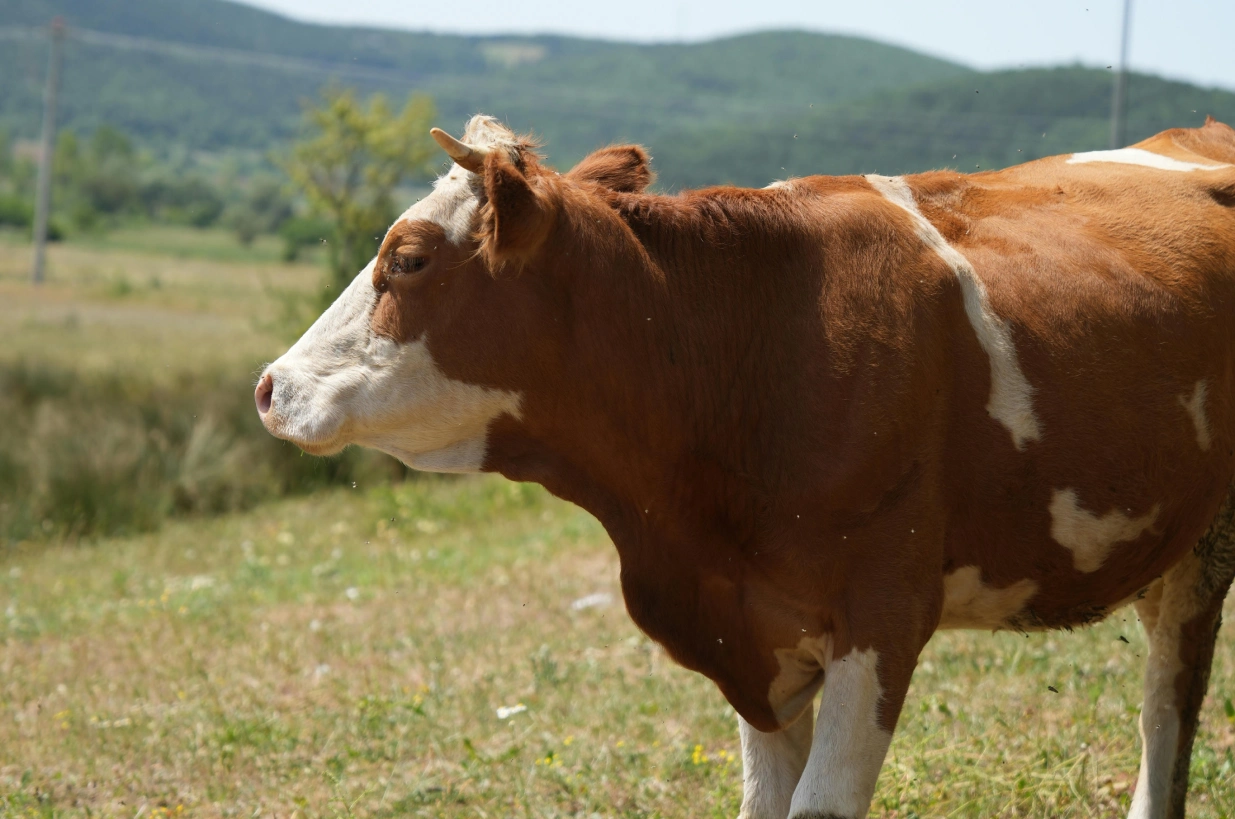
The dairy sector in Bosnia and Herzegovina is going through dramatic moments as domestic farmers are shutting down their farms en masse due to the inability to market their products.
The situation has reached the height of absurdity because at the same time enormous imports are being recorded, while quality domestic milk is being labeled as unnecessary. As reported by N1, the president of the Association of Agricultural Producers of the Federation of BiH, Admir Kahriman, warns of the systematic destruction of domestic production that has been going on for years.
The problem did not arise overnight but has its roots in strategic documents created several years ago. At that time, a controversial provision on stopping the rapid growth of dairy farming was included in agricultural development plans, which should serve as a guide for progress. Although the text was somewhat amended under public pressure, producers claim that in practice policies are still being implemented that harm local farms. The strategy should help farmers, but in this case it has served as a mechanism for limiting their growth.
While the public is being served a story about a surplus of domestic milk, official data tell a completely different story. Bosnia and Herzegovina is actually solving the problems of European farmers because 800,000 liters of raw milk were imported in January alone. Processors, that is, factories that package milk, prefer to buy cheaper raw material in tankers from the European Union rather than from neighbors in the countryside. Because of this, they are announcing a reduction in purchases from domestic producers by as much as fifty percent, thereby creating an artificial surplus on the market that serves solely as justification for low purchase prices.
An additional blow is the situation on the regional market, especially in trade with Serbia. Although there is no official import ban, various administrative obstacles and complicated procedures have been introduced that have slowed the flow of goods. The result is devastating, as exports have fallen from one million two hundred thousand liters to only two hundred thousand. The absence of a reaction from the state, which could introduce similar protective measures in response in kind, has left farmers without any support in an unequal market competition.
Farmers are disappointed by the cold attitude of the competent institutions, which show a lack of understanding for basic existential problems. When speaking about the price of thirty-five euro cents per liter of imported milk, transport costs and quality differences that favor the domestic product are often forgotten. Without a clear vision and protection of its own resources, dairy farming in Bosnia and Herzegovina has been left to the mercy of import lobbies.
The fate of dairy farming in Bosnia and Herzegovina currently depends exclusively on the will of processors and the interests of large importers. Without urgent state intervention and the introduction of concrete measures to protect domestic production, the sector could face complete collapse. Instead of encouraging self-sustainability and food security for its own population, the system allows foreign surpluses to suffocate domestic farms, which in the long term leads to complete dependence on imports and the disappearance of the traditional way of life in the countryside.