





CBS Eurostat
Croatia Officially Has the Highest Inflation in the Eurozone: Utilities and Food Becoming a Luxury
31.03.2026.
10/28/2025
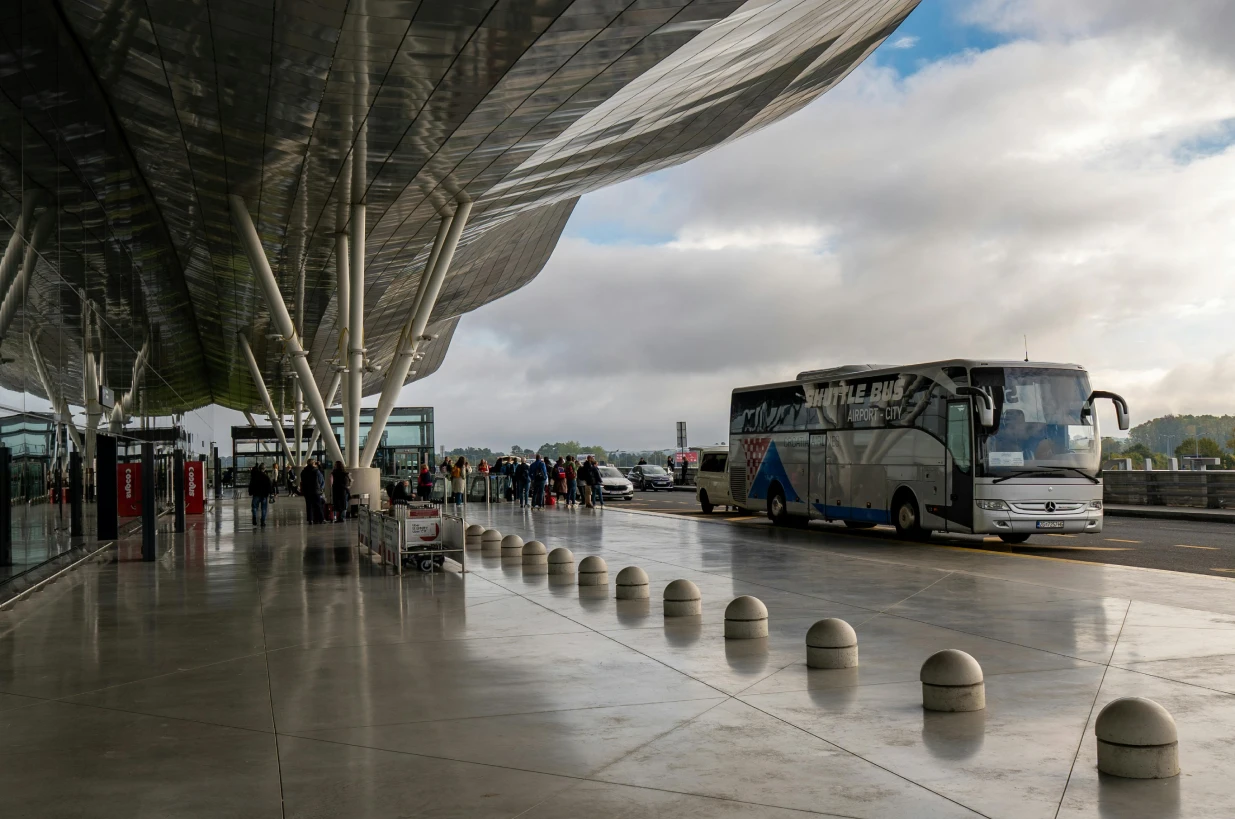
Air traffic in Croatian airspace has never been busier, and the number of flights, passengers, and operations is growing year after year.
While passengers enjoy ever faster and more frequent connections with Europe and the world, behind the scenes of that perfectly coordinated chaos stand air traffic controllers, a group of experts whose job is extremely stressful, responsible, and precise, writes HRT. Although their salaries are among the highest in public services, there is still not enough interest in this profession.
“You have to be completely focused all the time. Every mistake can have serious consequences. We work in eight-hour shifts, during which we actively manage a sector for two hours and rest for one hour. At the end of the day, that is six hours of very intensive work,” explains controller Igor Bjelan.
According to industry data, around three hundred air traffic controllers are currently working in Croatia. Too few, the employees themselves say, given the growing needs and expansion of traffic. “We hope that over time there will be an increase in the number of controllers, because that would make the job easier for everyone and reduce stress,” emphasizes Krešimir Rakoci.
Air traffic has recorded continuous growth in recent years. Last year alone, traffic increased by fourteen percent, and this year by an additional eight percent. At the same time, flight delays were reduced by as much as 75 percent.
Although the job brings extended service credit and stable income, it is not for everyone. It is a profession that requires complete dedication and work throughout the entire year, without holidays or weekends. “This is a job that lasts twenty-four hours a day, three hundred sixty-five days a year. There is no rest or holidays. Although the salaries are good, there are other professions where more can be earned, if luck is on your side,” adds Oreški.
And while automation and artificial intelligence are being discussed more and more often in other sectors, in air traffic control the human factor is still crucial. No algorithm is yet capable of taking over the quick judgment and decisiveness needed in unforeseen situations. That is precisely why many experts warn that Croatia must invest more in education and attracting new candidates, in order to prevent overload and ensure stable traffic development.