





EU Eurostat
Serbians Work Significantly More Than the EU Average
16.05.2025.
10/21/2025

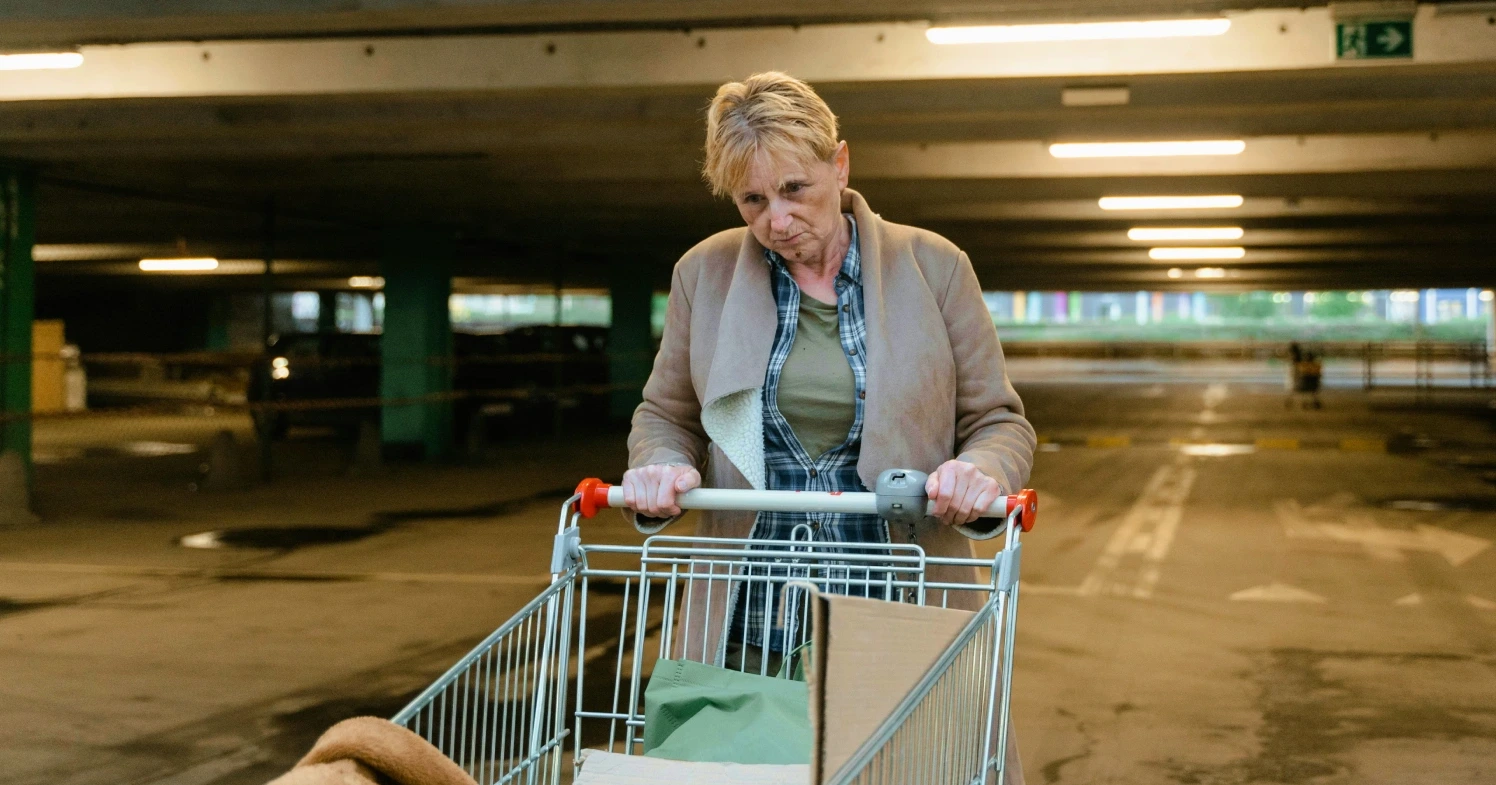
Almost every fifth person in Croatia today lives at risk of poverty, according to the latest Eurostat data. Although economic growth and higher wages are often discussed, the reality for a large part of citizens is far more difficult. According to official statistics, as many as 810 thousand residents of Croatia last year had an income lower than the threshold that indicates the risk of poverty.
The European statistical office announced that as many as 93 out of a total of 243 regions of the European Union have rates of risk of poverty or social exclusion higher than the European average, writes the portal Danica.hr. Among them is Pannonian Croatia, an area that includes the eastern and central part of the country, where economic differences are most pronounced.
In as many as 25 European regions, more than a third of the population lives at risk of poverty. The most difficult situation was recorded in Greece, Bulgaria, Spain, Italy and Romania. Pannonian Croatia, with a share of 31 percent, is just below that most severe layer, which clearly shows how vulnerable that part of the country is.
In Croatia, last year 21.7 percent of people were at risk of poverty, while a year earlier that share amounted to 20.9 percent. The poverty risk threshold for a single-person household was 617 euros per month, and for a family with two children around 1300 euros. Just three years ago those amounts were significantly lower, 403 and 847 euros respectively, which means that the threshold has meanwhile increased by as much as 53 percent.
The rise in prices of basic necessities, housing and energy products has dramatically increased the number of households that are barely making ends meet. Inflation is, without a doubt, the biggest culprit for the deterioration of living standards across the entire country.
The worst situation was recorded in Pannonian Croatia, which includes counties from Sisak-Moslavina to Vukovar-Srijem. In that area almost a third of people live below the poverty threshold. In Adriatic Croatia the share amounts to 22.9 percent, and just a year earlier it was below 20 percent. Therefore, as many as 15 percent more residents than two years ago are today at risk of poverty.
The City of Zagreb stands best, more precisely 11.1 percent of residents live below the poverty threshold, which is even less than three years ago when that share was 13.3 percent. Northern Croatia is also holding up somewhat better, with a share of 18.3 percent. It seems that the capital and its surroundings weathered the inflationary wave more successfully than the rest of the country.
According to a World Bank analysis from 2016, prepared in cooperation with Croatian institutions, Croatia is extremely uneven in terms of wealth. The so-called “Poverty Map” showed that some municipalities have almost no poor people at all, while others record devastating figures.
At that time, the Municipality of Čabar stood best with a share of poor people of only 4.7 percent. In a similar range were Šenkovec, Medulin, Buzet and Dubrovnik. Statistically speaking, there were almost no poor people in Čabar, which is a rare case in the national context.
On the other hand, the hardest situation was in the municipalities of Voćin, Civljane, Okučani, Jagodnjak, Viljevo, Donji Kukuruzari, Levanjska Varoš and Gunja, where more than 60 percent of residents lived in poverty.
In the north of the country, according to the same analysis, poverty was most pronounced in Đurđevac (24 percent), while Čakovec (17.2 percent), Koprivnica (14.7), Križevci (15.1) and Varaždin (10.2 percent) had a somewhat more favorable picture.
In Zagreb, the most vulnerable parts were Pešćenica-Žitnjak and Gornja and Donja Dubrava, with risk rates around 16 percent. Podsljeme, Gornji Grad - Medveščak, Novi Zagreb - East and Donji Grad stood best, where the rate ranged between 5 and 7 percent.
As early as 2011, poverty rates by region were significantly lower. Northwestern Croatia then had 10.3 percent poor people, Central and Eastern Croatia 28.1 percent, and the Adriatic region 12.6 percent. Overall, in Croatia that year 16.3 percent of citizens were at risk of poverty.
Today that share is almost 22 percent. Although the methodology may have changed over the years, the trend is clear and worrying. Croatia, despite the growth of nominal wages and economic indicators, has more and more citizens living below the threshold of a dignified life.
That is why it is not surprising that an increasing number of people believe the country is going in the wrong direction, because for many, economic progress simply has not reached their doorstep.