

Germany minimum wage
Germany’s Minimum Wage to Rise in Two Steps: Up €1.78 Per Hour by 2027
03.07.2025.
11/12/2025
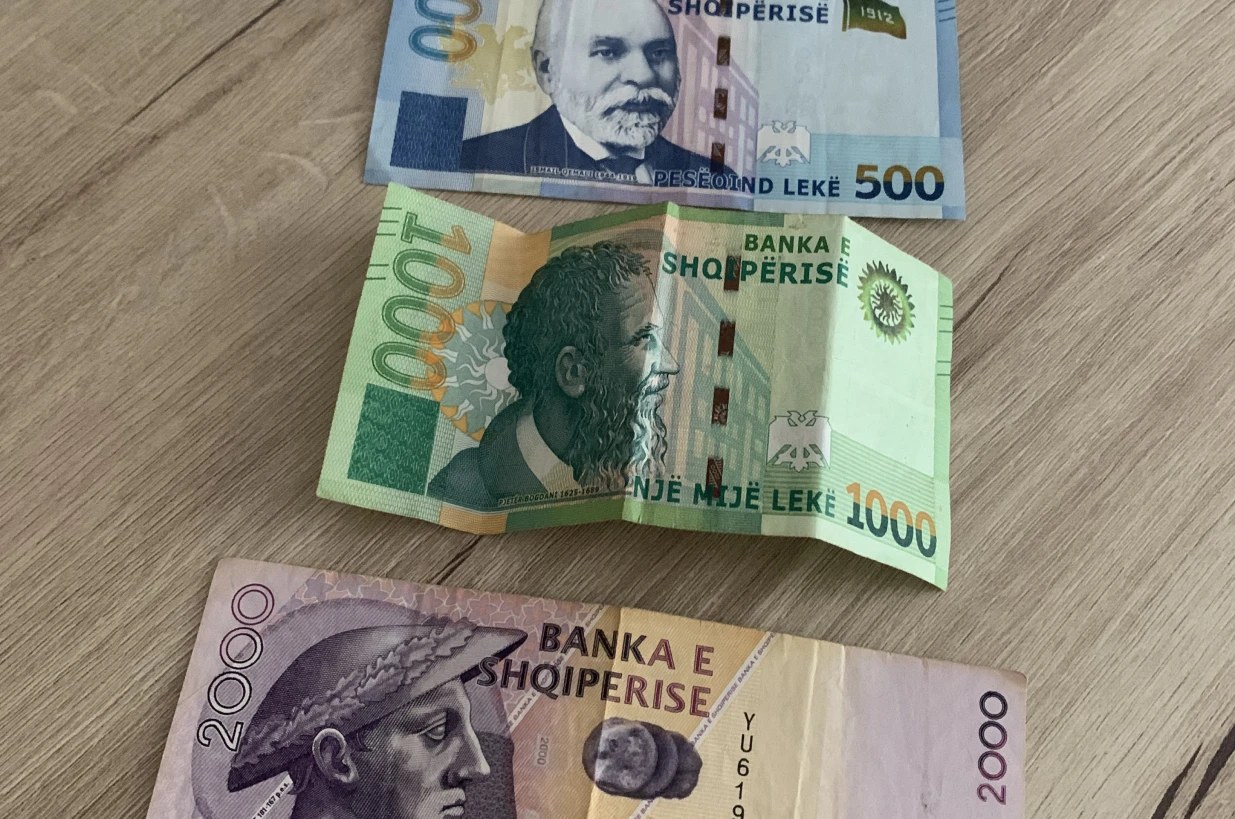
The Government of Albania has announced a significant increase in the minimum wage, which will come into effect as early as January 1, 2026, as this Balkan country continues with determined reforms aimed at strengthening the economy and improving the living standard of its citizens.
The current minimum wage, which amounts to 40,000 lek, or approximately 414 euros, will jump to the officially promised 50,000 lek, which is equivalent to around 517 euros. Despite this major shift, which is the largest in the past several years, the minimum wage in Albania still remains among the lowest in Europe. This announcement is the result of long-term efforts by the Socialist Party, and Prime Minister Edi Rama said that this will be only the first step in a plan to raise incomes for more than three hundred thousand employees.
Although the figures vary depending on the source, the portal Reporteri.net writes that this increase is part of a broader plan, emphasizing that the Government’s key goal is to strengthen the purchasing power of citizens, which has for years been threatened by rising inflation and the constant increase in living costs. The Government presents these measures as direct assistance to workers. The rise in the minimum wage directly affects the largest number of workers in the manufacturing industry, especially in the textile and clothing sector, where a large part of the workforce is paid at the level of the legal minimum.
This government initiative traditionally also triggers the so-called domino effect in the private sector, since companies, in order to retain the best employees and preserve a fair compensation structure, usually have to adjust other pay grades as well. The official plan is that in the near future the average wage should reach at least 1,000 euros, while in the public sector it should rise to as much as 1,200 euros, which pushes companies to revise their internal policies, but also to maintain motivation and overall productivity within the organization. The Government states that less than fifteen percent of employees currently earn below the current minimum wage, and the entire move also serves to formalize the economy and suppress undeclared work.
Of course, any significant increase in the legal minimum, from 40,000 to 50,000 lek, necessarily also leads to higher labor costs for business entities, which represents a challenge in every country. However, the Albanian Government has recognized the importance of helping entrepreneurs adapt, and therefore, to mitigate the financial blow, it has announced subsidizing part of the private sector’s costs in the first phase of implementing this decision.
More precisely, for a transitional period of nine months, the Government will provide financial support of 90 million euros to cover the additional costs of social and health insurance contributions for private employers. This generous support package is designed to provide companies with much-needed flexibility to adapt internal processes and implement necessary economic changes, ensuring that the transition from the current minimum is as smooth and sustainable in the long term as possible. After the expiration of that period, all contributions and wage taxation will continue in accordance with the standard legal framework.
Along with announcing the rise in the minimum wage, Prime Minister Rama also highlighted an ambitious long-term goal: raising the minimum to as much as 700 euros by the end of the government’s mandate in 2029, and he credited the opening of around three hundred thousand new jobs. All these measures, from the rise of the minimum wage from 40,000 to 50,000 lek to the record budget for 2026 aimed at pensioners, are strong indicators that Albania is making significant efforts to move closer to the economic standards of the European Union and ensure concrete growth in living standards for its population.