


Croatia tourism
Rising Prices Drive Tourists Away: Croatia No Longer Synonymous with Affordability
21.07.2025.
08/21/2025
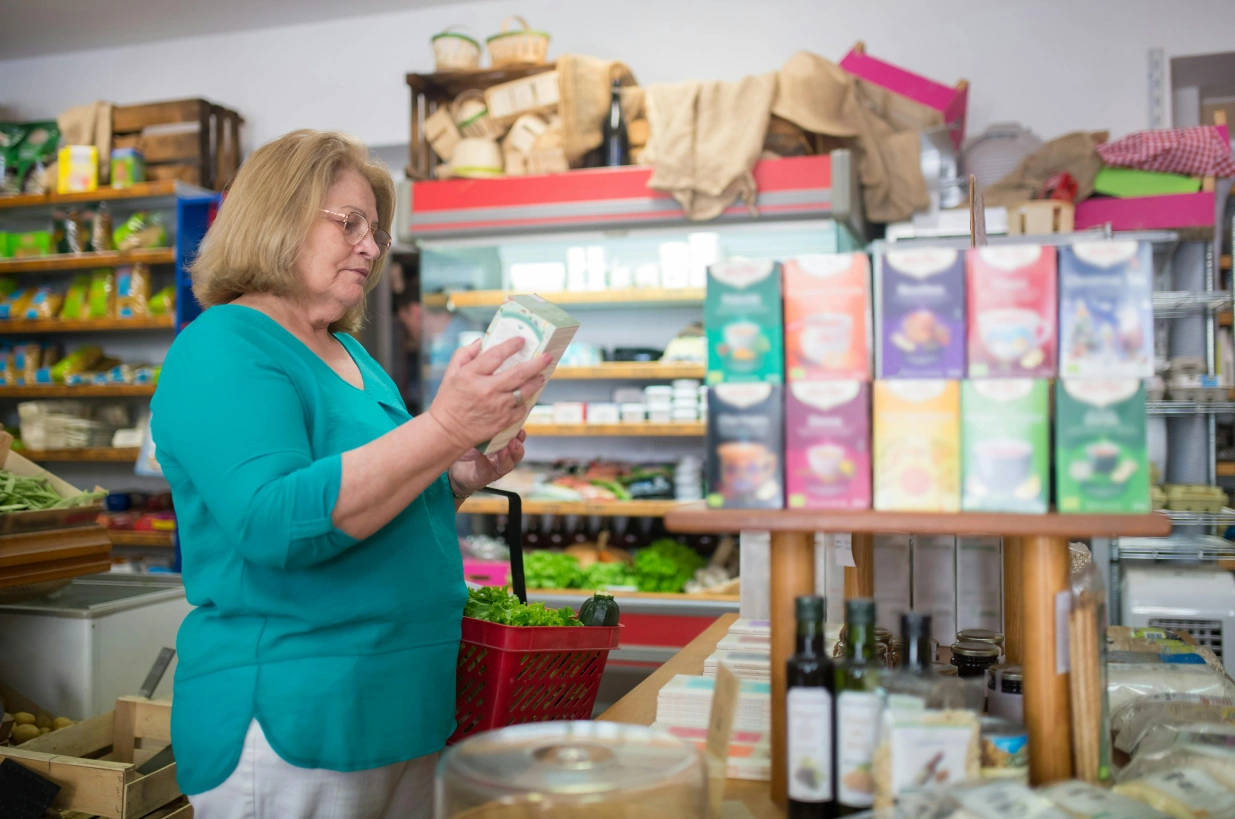
Electronic shelf price displays, a technology already widely present in Spain, Italy, Germany, and other European countries, is increasingly making its way to Croatia.
These are digital labels that replace paper ones, and the main goal is to reduce costs, speed up price changes, and avoid frequent checkout errors, writes Večernji list. Lidl was the first in Croatia to fully introduce this system, and Konzum is already testing it in certain stores.
Dynamic pricing - opportunity or threat?
What worries consumers most is the possibility of dynamic pricing, that is, real-time adjustments depending on demand, weather conditions, or even the tourist season. Experts cite examples from Norway where in some stores prices can change as many as a hundred times a day. In Croatia, this would mean that, for example, roast chicken, water, ice cream, or fruit could cost significantly more at times of peak demand, which is reminiscent of the practices of airlines or taxi services like Uber.
Advantages for retailers and waste reduction
For retailers, the new technology makes business operations easier because prices can be aligned faster and more accurately. Software powered by artificial intelligence can predict demand, adjust the price of perishable goods, and thus reduce food waste in supermarkets by as much as a third. In addition, digital price displays also mean less administration for employees, as well as reduced paper use.
Risks for consumers in Croatia
Economic analysts remind us that dynamic pricing is not new, but they warn that it also brings challenges. Consumers often will not know whether a price is favorable if it keeps changing, and for older shoppers who rely on weekly catalogs this could create additional confusion. Ana Knežević, president of the Croatian Consumer Protection Association, emphasizes that retailers have the right to freely set prices, but also that digital labels could increase transparency where there has so far been a difference between the shelf and the checkout.
Croatia between digitalization and high prices
Market experts point out that Croatia already has different prices depending on the region, especially between tourist and continental areas. Dynamic prices will likely further emphasize these differences, especially in the summer months when stores are flooded with tourists.
While some see digitalization as a necessary modernization of retail, others fear that consumers in Croatia will find themselves in a less favorable position, and that their reaction will ultimately determine whether this practice becomes part of everyday life.