


Germany powerhouse
Germany’s Wage Reality: How High Is the Standard of Living, Really?
21.07.2025.
06/22/2023

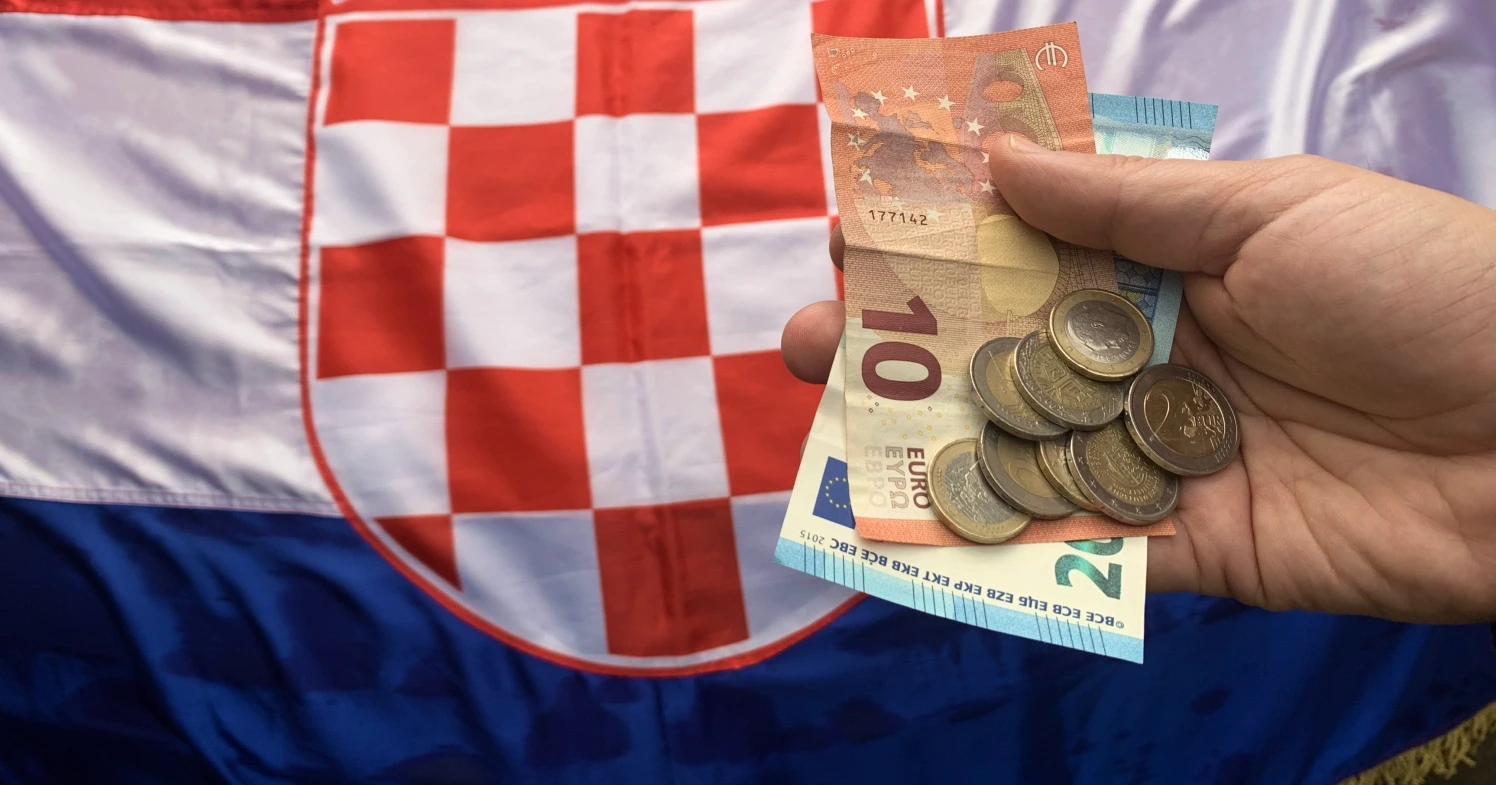
ZAGREB – The standard of living of citizens in Croatia improved slightly in 2022 and was exactly a quarter lower than the European Union average, according to the first estimates published on Tuesday by the European Statistical Office.
Eurostat measures the standard by actual individual consumption per capita, which shows how much goods and services individuals consumed, whether they paid for them themselves or the cost was borne by states or non-governmental organizations, the European Statistical Office notes.
Actual individual consumption (AIC) per capita is expressed in purchasing power standard, an artificial currency that eliminates price differences between countries.
In 2022 as well, Luxembourg could boast the highest standard, expressed by actual individual consumption per capita, 36 percent higher than the European average. The crisis still took its toll, since in 2021 they were 46 percent above the average.
Germany and Austria follow, with consumption approximately a fifth higher than the EU average.
Closest to the average are Italy, Cyprus and Lithuania.
Slovenia, Spain, Portugal, Romania and Malta lagged behind the average by 10 to 15 percent.
Croatia was in the group of countries with the lowest standard in 2022, expressed by actual personal consumption per capita, 25 percent lower than in the EU. In 2020, it was 28 percent lower.
Closest to Croatia in 2022 was Slovakia, which lagged behind the average by 27 percent. The group also includes Greece, Hungary and Estonia, where consumption was around 30 percent below the average.
The lowest level of actual personal consumption per capita was again recorded last year by Bulgaria, a third lower than the EU average.
Last year, Luxembourg also confirmed its position as the country with the highest GDP per capita, more than two and a half times higher than the average.
Eurostat points to the large share of foreign workers in the workforce of that grand duchy.
“Although these workers contribute to the creation of GDP, they are not included in the resident population used to calculate GDP per capita.”
Luxembourg deviates significantly less from the EU average in the category of actual individual consumption, given that foreign workers spend their income in their home countries, the statisticians explain.
Ireland, meanwhile, confirmed second place with GDP per capita more than twice the average, the statisticians calculated.
In Denmark and the Netherlands it was higher by approximately a third, in Austria by a quarter, and in Sweden and Belgium by a fifth.
Closest to the average last year as well were France, Malta and Italy.
Slovenia, Cyprus, the Czech Republic, Lithuania and Estonia were about 10 percent below the average.
Poland, Hungary, Portugal, Romania and Latvia lagged behind the average by 20 to 30 percent, and the group also includes Croatia with GDP per capita 27 percent lower than the EU average. In 2021, the gap with the Union amounted to exactly 30 percent.
By far the lowest GDP per capita last year was recorded by Bulgaria, 41 percent lower than the Union average, according to Eurostat estimates.
Source: seebiz.eu