

Croatia prices
Life in Croatia Getting More Expensive: Prices Up 3.3% in a Year
15.01.2026.
09/17/2025
The Government of the Republic of Croatia, at a session held at the National and University Library, presented a decision on the gradual abolition of energy subsidies.
Prime Minister Andrej Plenković explained that the state has secured 115 million euros for these measures, and that they apply to all households as well as public institutions such as hospitals, schools, faculties, kindergartens, retirement homes, and parishes. Since the market has stabilized, the Government is beginning the transition toward market prices, writes the well-known Zagreb portal Zagreb.info. Electricity bills will rise gradually, from the current 40.65 euros to 43.65 euros in November, and from January to 45.61 euros.
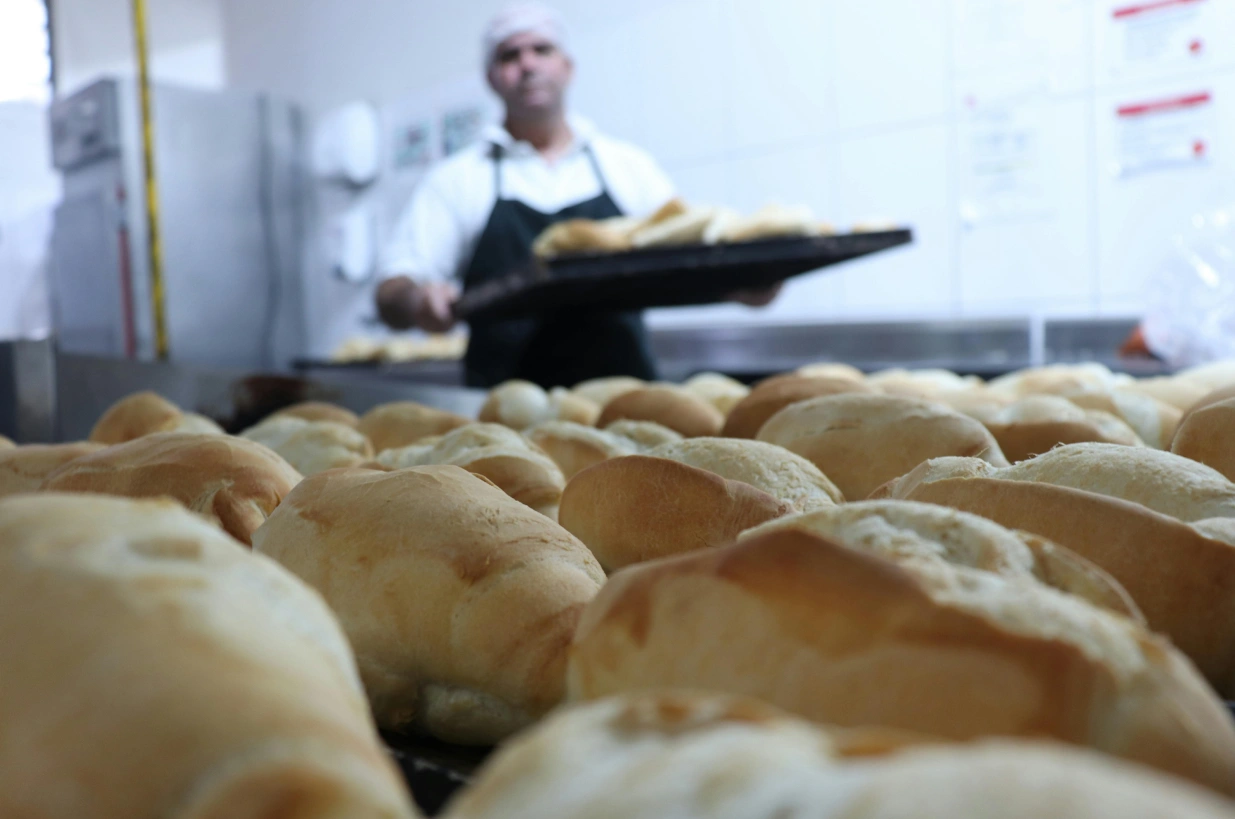
Subsidies for small entrepreneurs are also changing. Until now, bills were reduced by 35 percent, while from November 1 that assistance will fall to 26.7 percent. The decision was commented on by the president of the Voice of Entrepreneurs association, Boris Podobnik, emphasizing that the consequences will depend on the activities in which energy represents a more significant share of total costs. “If you are a law office, then you only have heating, that is only 2, 3, 4 percent, and for bakers it is 15, maybe even 20 percent. It depends from activity to activity,” Podobnik explains.
The economist adds that total costs are usually calculated on the basis of the average over a period of three months, and the current market price does not differ significantly from the guaranteed one. This means that Croatian entrepreneurs generally will not feel drastic changes even after liberalization. This alleviates fears of greater shocks to the economy and rising prices of basic products such as bread or coffee.
When asked whether consumers in Croatia will nevertheless pay more for bakery products, Podobnik was cautious: “Bakeries may raise them a little bit, but wholesale prices are 10-15 percent higher than guaranteed prices. I think cafés cannot raise prices because the share of electricity is around 10 percent, it can be lower too, it depends how much you pay people, other fees. I do not believe that this will be a justification for price increases.”
Still, he warns that long-term price freezes can create bad habits, because entrepreneurs and households stop actively saving energy. Croatian companies will have to adapt again to market rules, but there should not be any significant price increases. The biggest consumers of electricity are industrial plants, of which Croatia does not have to such an extent, so the effect on the economy is expected to be moderate.