

Croatia foreign workers
Foreign Workers’ Experiences: Croatian Is Difficult, but Opportunities and Wages in Croatia Are Decisive
23.02.2026.
02/26/2026

Official Ministry statistics show a significant drop in issued work permits.
In January 2026, a total of 12,556 residence and work permits were issued. For comparison, in the same month of 2025, that number was 17,168. This means that almost 27 percent fewer permits were issued. Demand for paperwork is a quarter lower because the market no longer needs so many completely new people, and the rules for importing workers are stricter.
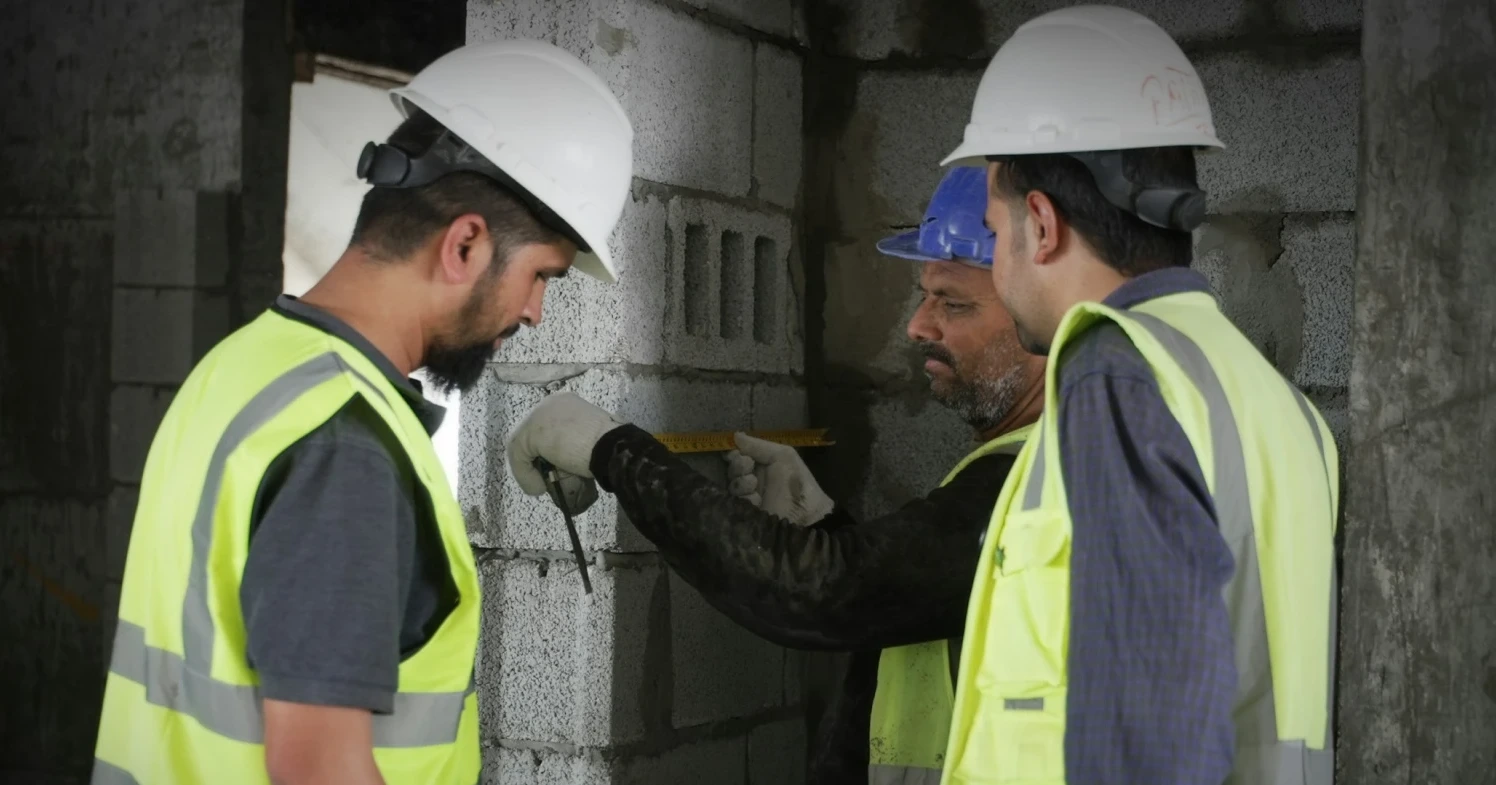
The decline is strongly felt in construction and industry, which depend on physical labor. Last year, construction sought 5,988 workers in January, and this year 4,164. Industry fell from 2,588 to 2,072 permits. Tourism and hospitality are also recording a decline from last year's 3,995 to this year's 3,500 issued permits.
What is the main cause of this huge 27 percent drop? The answer lies in the type of permits being issued today. Namely, last year employers requested as many as 11,282 permits for completely new employment. This year that number fell to only 4,480. Simply put, the initial rush has passed and not so many completely new people are being imported from the other side of the world.
Instead of new hiring, there is a massive extension of paperwork for already present existing workers. Last year, 5,411 permits were extended, while this year that figure rose to 6,370. Employers, instead of constantly changing and importing new unknown workers, prefer to keep those who have proven themselves, who have fit in, and who already know the job.
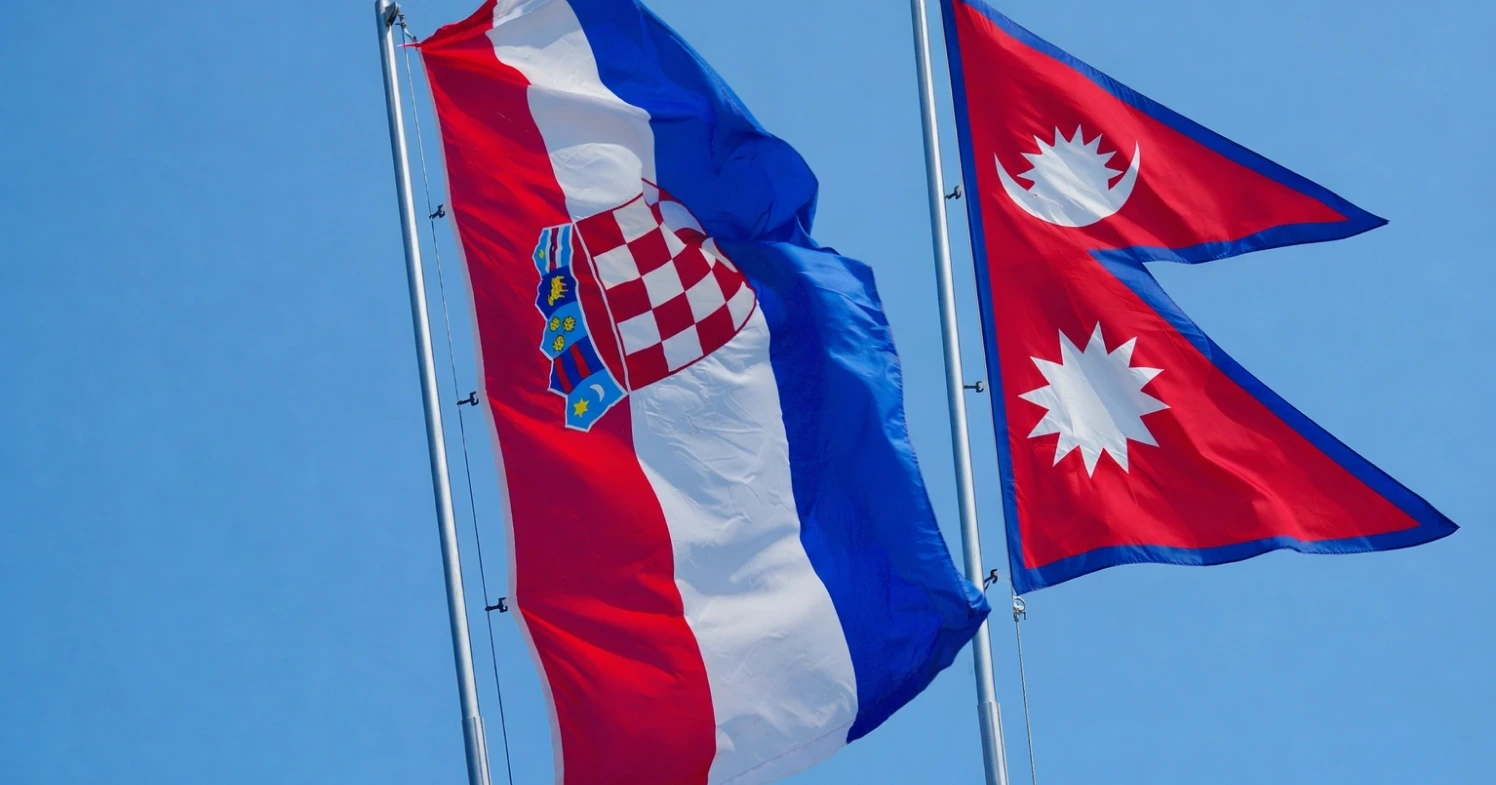
Because of this, the countries from which people come to us the most have also changed. Last year in January the absolute record-holder was Nepal with 4,309 workers, while now the Philippines are in first place with 2,433 permits. Bosnia and Herzegovina follows with 2,181, and Nepal with 2,159 workers. This clearly proves that employers are now choosing more carefully and investing in staff who adapt more easily to the culture and the job.
The Croatian economy simply cannot function without foreign hands. Although the statistics record a 27% drop in total imports, this is actually excellent news. We are moving from a phase of chaotic filling of jobs into a mature phase of retaining quality and proven workers. At the same time, this may indicate that foreign workers are doing well here and want to stay. As long as employers offer fair conditions, we will have satisfied workers and a proper situation on the domestic labor market.