

Germany inflation
Germany Records Lower Inflation – Are Better Times Ahead?
31.01.2025.
07/11/2022

Practically from the very first day of the Russian invasion of Ukraine, the German government has been preparing for a potential gas cutoff
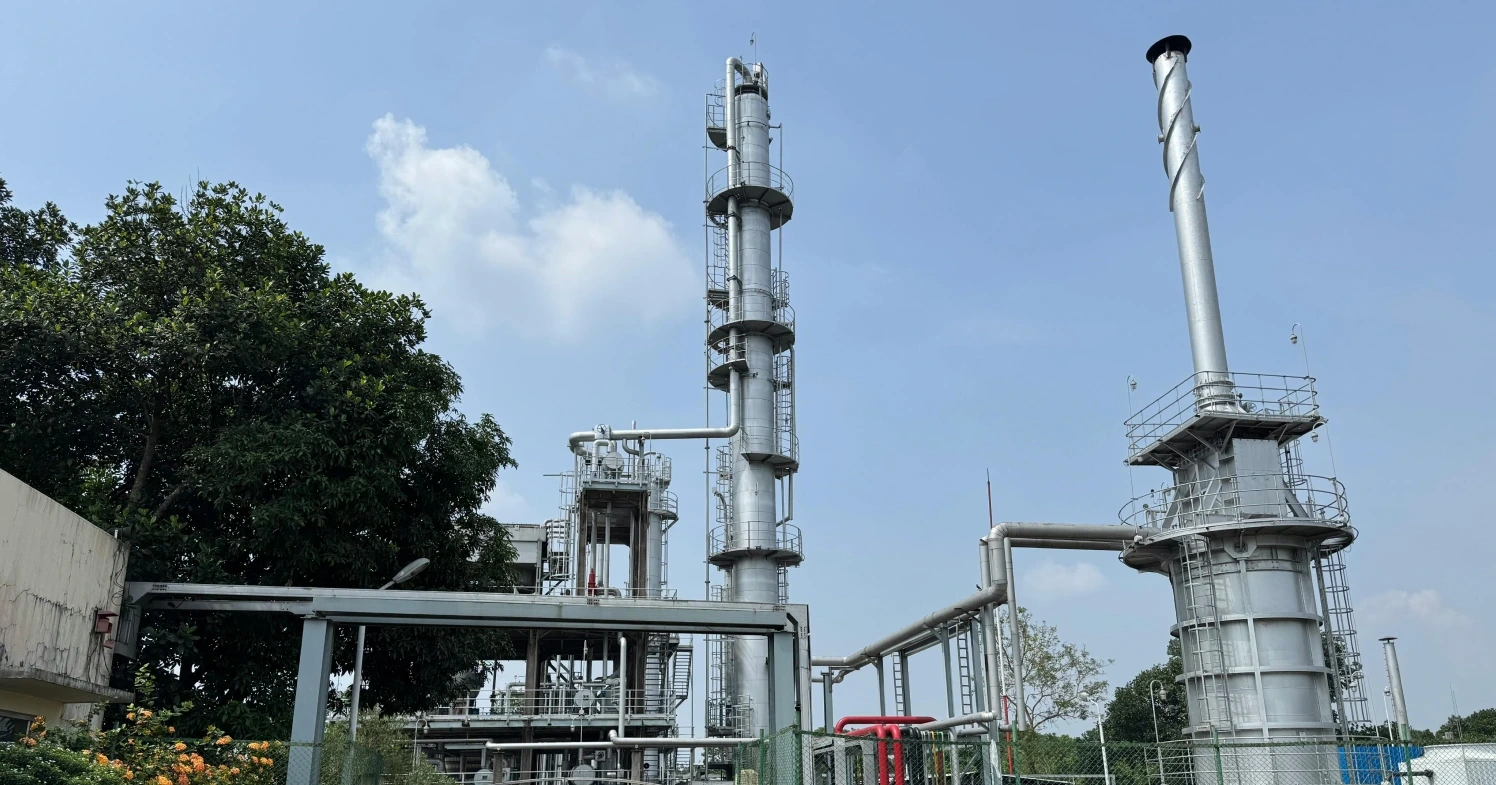
Before the war in Ukraine, Germany received around 55 percent of its gas from Russia, and now still around 35 percent. More than half of citizens heat with gas. Industrial giants such as BASF depend on imported gas, and if the chemical conglomerate stops operating, many will be left without raw materials and parts for their products.
Nervousness is growing ahead of Monday, when the regular annual maintenance of the Nord Stream 1 gas pipeline begins. Every year it is shut down for ten days. Will Vladimir Putin reopen it?
Unlike Croats, who were born in crises, Germans are very sensitive to inflation, record jumps in fuel prices, possible factory closures, and rising unemployment in the event that the country suddenly remains without Russian gas. Within a year, the price of gas in May jumped by 55.2 percent, electricity is 21.5 percent more expensive, and diesel 52 percent, writes the influential weekly Der Spiegel. Sunflower oil is 65.2 percent more expensive, and pasta 33.2 percent. Whoever lives in the red and shifts from one card to another does not care either way.
Preparing the government and the public for a difficult autumn, German Chancellor Olaf Scholz held a meeting with employers and trade unions a few days ago, calling on them to cooperate following the example of a similar move by the grand coalition of social democrats and Christian democrats during the 1967 crisis.
“The current crisis will not end in a few months,” Scholz said. “The war in Ukraine, the coronavirus pandemic, disrupted supply chains, rising energy prices, inflation. Germany is facing a historic challenge, we must prepare for the fact that this situation will not change in the foreseeable future,” Scholz warned. The goal of the meeting is to agree with the unions to reduce pressure for wage increases so as not to fuel the inflation spiral.
How to reduce costs
In the meantime, politicians and institutions are competing over who will come up with a more original idea for saving energy. Berlin liberal (FDP) Sebastian Czaja proposed abolishing the attractive nighttime lighting for the Brandenburg Gate. He proposes that landmarks be illuminated only until midnight. “Does the Reichstag dome have to be lit all night?”, the politician asks.
Numerous cities and municipalities in Germany have already decided how they will reduce costs. Bavarian Augsburg will no longer illuminate its historic buildings at night, will dim street lighting, and further lower the already reduced temperature in outdoor pools.
The company Vonovia, the largest owner of rental apartments, announced that it will reduce heating at night. Munich pools are lowering the water temperature to 22 degrees Celsius, which many other cities have also done. Nuremberg is closing three out of four indoor pools during the summer months and extending the operation of outdoor pools until the end of September. In many places, street lights are partially switched off or dimmed, which often make up the largest share of electricity consumption in a settlement.
Many cities and municipalities are already saving on temperature control in state and public buildings. Air conditioning is being set to a higher temperature than before, Spiegel reports; in winter, room temperatures should be one to two degrees lower. This will also be done in the Bundestag building.
Running out of energy
Economy Minister Robert Habeck on Friday called on the federal states to make greater efforts to save energy. At the federal level there was a regulation to maintain working temperature from 6 a.m. to 11 p.m.: even the most loyal officials mostly go home by 8 p.m.
But citizens too will have to bear their burden.
“This will be difficult, and for some too difficult,” Habeck said. Germany is being tested. “This will stretch social solidarity to the utmost limits, and probably beyond.”
The Bundesrat on Friday passed the Energy Security Act, which gives the government the possibility of taking control over gas supply. The law will enter into force on Monday, Habeck said.
Practically from the very first day of the Russian invasion of Ukraine, the German government has been preparing for a potential cutoff of gas from Russia. But the opposition criticizes the government for not having done enough. CSU leader Markus Söder accused it of failure. “Germany is running out of energy, cold winters are ahead of us. The country will face an economic infarction if gas stops flowing,” the Bavarian premier said at a party conference in Ingolstadt.
It is no longer only the poor who are afraid, but also the middle class. The main task of the federal government is to ensure warm apartments, energy, jobs, and affordable food, the Bavarian premier emphasizes. “A government that does not do that has in fact failed,” he warned.
The government has already adopted measures
Söder again called for lower taxes on energy, a reduction of VAT on groceries, and higher transport allowances for employees. In addition, pensioners and students who were left out of the previous relief package of the federal state should also be financially relieved. Left leader Martin Schirdewan opposed the government's appeals to citizens to limit consumption. It is not about showering with colder water and reducing heating, he emphasizes. Schirdewan called for capping energy prices and targeted support for low-income households, of 125 euros per month plus 50 euros for each household member. This would be financed from the extra profits of oil and gas companies.
Chancellor Olaf Scholz pointed out that Germany is preparing for shortages in autumn and winter. In the long term, Germany must become independent of fossil fuel imports. Scholz said that laws on expanding renewable energy sources were adopted “at a speed not seen before in Germany.”
The government has already adopted measures that will relieve the average household by around 1000 euros per year, for three months a public transport ticket was introduced for only 9 euros, the state subsidized part of the fuel price increase, also until the end of August: but all that is not enough.
In 2021, therefore before the war in Ukraine and before inflation, Germany had 13.8 million poor people, almost every fourth German considers their financial situation strained. The state will still have to step in with aid, but there is no agreement in the ruling coalition on where to get the money. The social democrats and the Greens are in favor of a tax on the rich, which the FDP strongly opposes. Someone will have to pay the price of the war; if not the rich, then the poor.
Source: jutarnji.hr