

Germany jobs
Germany in Trouble: Over 100,000 Jobs Lost, No End in Sight
10.06.2025.
08/19/2025
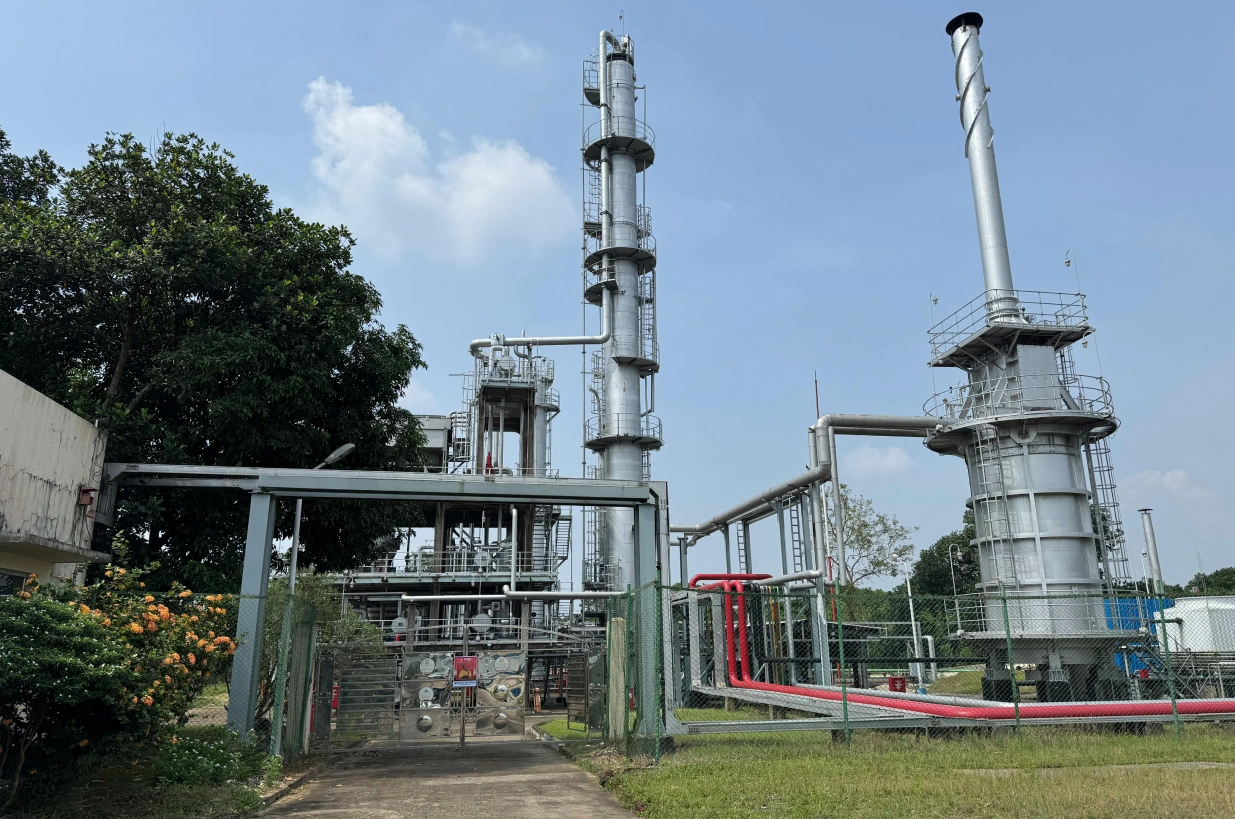
According to data from the German Press Agency (dpa), the metal and electrical engineering sector, which represents the backbone of the German economy, lost as many as 76 thousand jobs in just six months.
In June alone, nearly 14 thousand were cut, and the total reduction in employment compared to last year rises to more than 104 thousand workers, writes Fenix Magazin.
The president of the Employers' Association in these branches of industry, Lars Kroemer, warned that companies are under increasing pressure due to high energy costs, tax burdens, and numerous bureaucratic obligations. He also emphasized that global circumstances are further worsening the situation, especially trade tensions and American tariffs that make exports more difficult.
According to the latest statistical data, 3.82 million people are currently employed in the metal and electrical engineering industry. This is a drastic decline compared to the situation in 2023, and estimates show that the number of lost jobs by the end of this year could jump to as many as 154 thousand.
Each lost job in this sector costs Germany, according to the association's calculations, around 100 thousand euros annually in terms of lost added value. Compared with the situation in 2019, the total loss has already reached almost 25 billion euros.
The German metal and electrical engineering industry is not just one of the sectors of the economy, but a foundation that has shaped the country for decades as Europe's technological leader. It is an area that connects automotive giants, machine manufacturers, and electronic innovations that make Germany globally competitive. That is precisely why such losses are causing concern among both economists and politicians.
Rising energy prices are still one of the most important challenges. After Germany gave up nuclear energy and significantly reduced its reliance on Russian gas, energy supply became more expensive and less secure. Companies that previously had the advantage of cheap electricity and gas now have to invest several times larger amounts to maintain production, making them less competitive compared to countries that still use a cheap energy mix.
German authorities are also facing criticism that high tax rates and complex administrative procedures are stifling business dynamism. Companies often emphasize that it takes months or even years to obtain the necessary permits for new investments or plant modernization. This bureaucratic sluggishness is increasingly cited as a reason why investors are leaving for other countries.
In addition to job cuts, Germany is simultaneously struggling with a shortage of qualified workers. A large number of experienced experts are retiring, while younger generations are showing less interest in industrial professions. This further complicates the recovery and adaptation of the sector to new circumstances.
Germany's economic strength is of crucial importance for the entire European Union. When German industry loses momentum, this is reflected in supply chains, the trade balance within the EU, and the stability of the common currency. Losses in the German metal and electrical engineering industry, therefore, do not mean only a problem for Germany, but also for all countries that depend on its technologies and exports.