

Germany Western Balkans
Employers Concerned: Germany Plans to Halve Number of Workers from the Western Balkans
27.08.2025.
04/18/2025

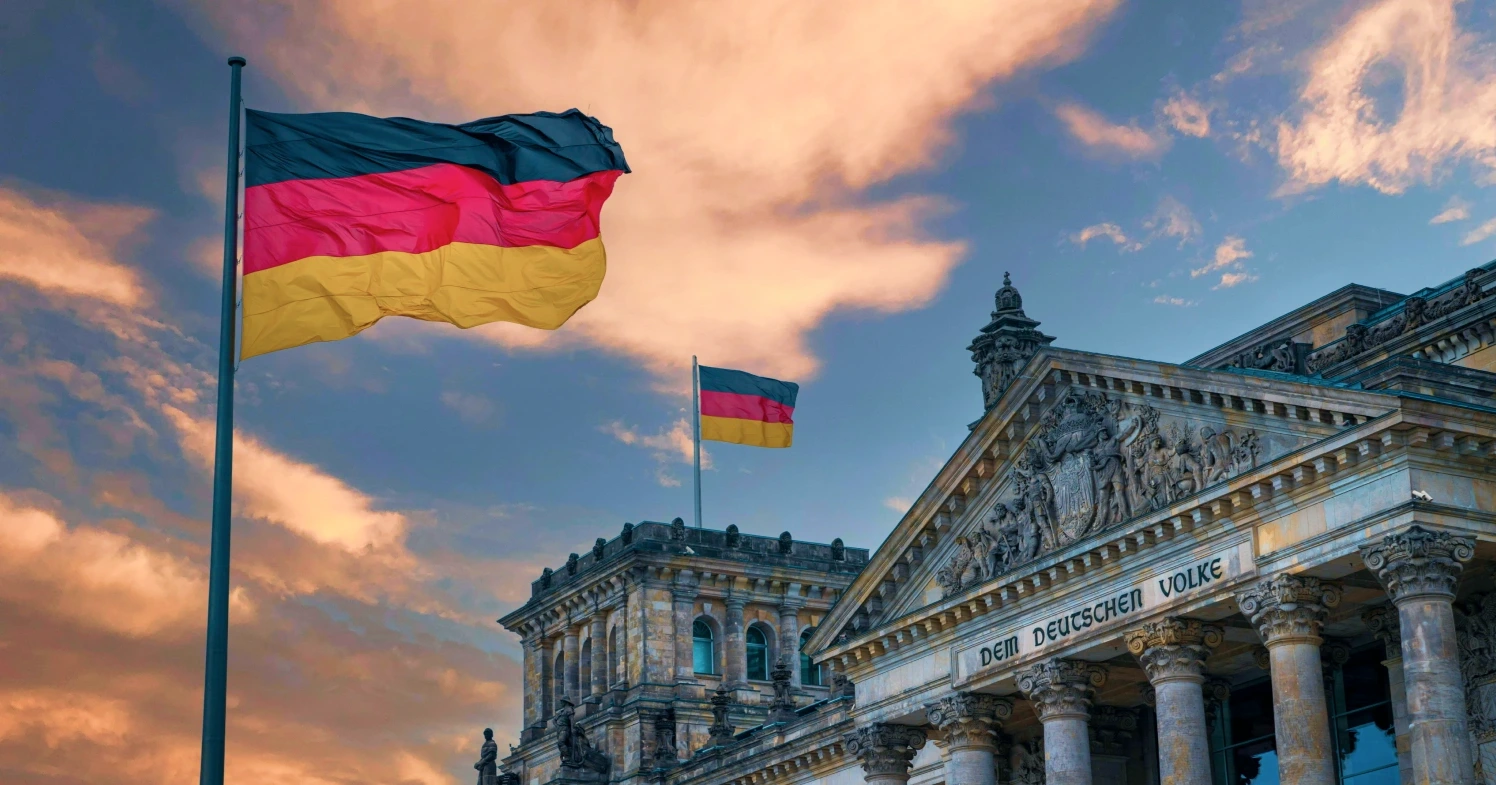
Germany’s future government wants to reduce the quota for employing workers from the Western Balkans. This is causing great concern among employers, especially in the construction industry.
Namely, the new German government, consisting of Christian Democrats and Social Democrats, aims to invest 500 billion euros in rebuilding infrastructure, including roads, bridges, railways, and solving the problem of the shortage of housing units. To realize such ambitious initiatives, as stated by Deutsche Welle, a great deal of labor will be needed, both skilled and unskilled.
Since 2016, the ‘Western Balkans Regulation’ has existed, allowing workers from Albania, Bosnia and Herzegovina, Montenegro, Kosovo, North Macedonia, and Serbia to work in Germany even without qualifications, if they have secured a job in this leading European economic power. This has proven extremely important in numerous industries, especially construction, due to the labor shortage. It enables employers to bring in the necessary workers more quickly and easily.
Halving the current quota
In 2023, the quota was increased from 25,000 to 50,000 workers per year. Now the new government is announcing a return to the old regulation, that is, halving the current quota.
This is causing concern among representatives of industry, the construction sector, and experts. They do not understand this decision, believing that there is no justification for the reduction because circumstances in the labor market have not changed. They warn that such a decision could slow down infrastructure projects, make housing construction more difficult, and worsen the labor shortage problem.
This decision is questionable because 95 to 98 percent of those who came through the ‘Western Balkans Regulation’ are still employed and paying taxes and contributions. This is a clear indication that this provision works.