

Germany foreign workers
Germany Plans to Halve Hiring Quota for Western Balkan Workers
30.09.2026.
08/27/2025
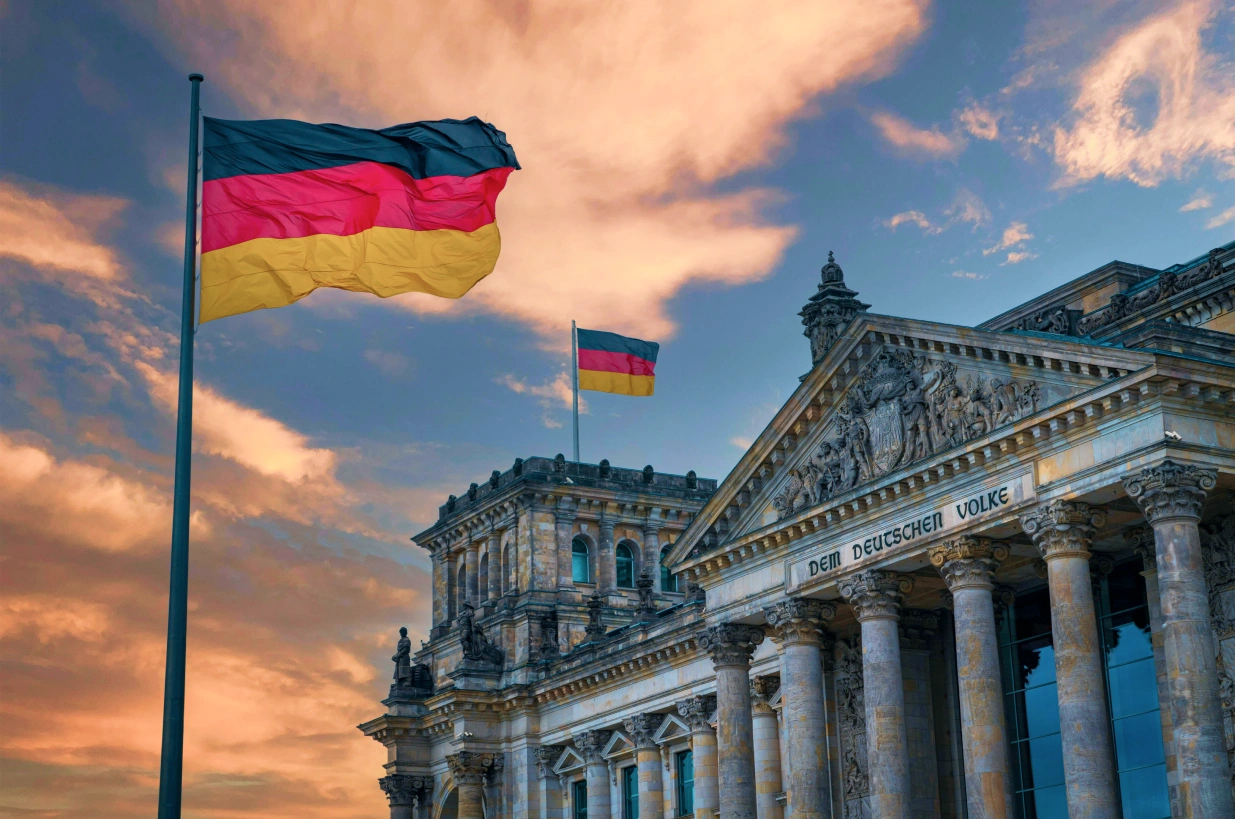
German employers are seriously concerned following Chancellor Friedrich Merz's announcement that the annual quota of workers from the Western Balkans will be halved from 50,000 to 25,000.
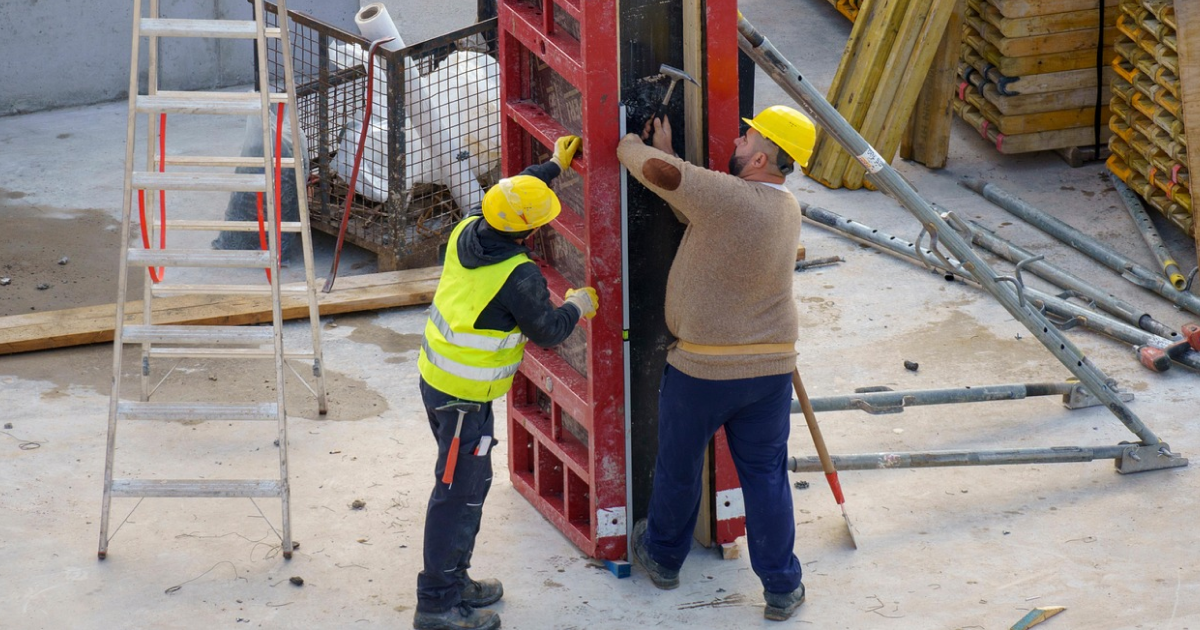
The Baden-Württemberg Chamber of Industry and Commerce warns that this decision could have strong consequences, especially in sectors that have been struggling for years with a shortage of employees, such as construction and elderly care.
According to the newspaper Staatsanzeiger, Germany risks further slowing economic growth precisely because of the lack of qualified labor.
Chamber President Zuzane Here emphasized that the existing regulation enabled companies to hire more quickly and easily without unnecessary bureaucratic obstacles, writes oslobodjenje.ba. On the website of the Federal Chamber of Industry and Commerce, it is added that employers not only want to keep the quota at 50,000, but are seeking its complete abolition and the application of similar models for countries outside the European Union as well. German entrepreneurs are convinced that this would help both their economy and the societies from which the workers come.
Although employers are asking for more workers, official data show that the quota was not filled even last year. During 2024, 25,700 visas were issued, but only around 16,000 workers from the Western Balkans found employment in Germany. The reason lies in long administrative procedures, endless waiting lists at embassies and consulates, and additional challenges in adapting after arriving in Germany.
Businesspeople from Republika Srpska also commented on this decision. Goran Račić, president of the Chamber of Commerce of RS, pointed out that the interest is for workers to remain on the domestic market. “It is in our interest that these people stay in the RS area because in the last few years there has been wage growth in our area and certainly it is a better option for them to stay here,” said Račić.
His opinion is shared by Zoran Škrebić, president of the Union of Employers' Associations of RS, who emphasizes that higher wages alone will not stop workers from leaving. “A better environment is achieved through technological development and the automation of production processes. This improves working conditions and reduces the number of difficult jobs, which motivates people to stay,” Škrebić said.
The German labor market at a turning point
Germany has relied on foreign workers for years, especially in occupations that domestic citizens are choosing less and less. Estimates say that the country lacks more than 400,000 workers annually, and the most sought-after are experts in healthcare, logistics, hospitality, and construction.
Workers from Bosnia and Herzegovina, Serbia, Croatia, and other countries in the region have become an important pillar of the German economy. They are valued for their work ethic, willingness to be mobile, and quick adaptation to working conditions. Many choose to stay permanently, while others leave seasonally and return home.
At the same time, the Balkan states are facing a wave of emigration affecting all sectors, from nurses to truck drivers. The population is shrinking rapidly, and estimates show that some countries will lose up to a quarter of their population by 2050. This creates additional pressure on local labor markets. One of the biggest obstacles remains bureaucracy. Workers often face months of waiting for appointments at embassies, complicated procedures, and high emigration costs. Employers in Germany warn that without reform of the system, it will not be possible to ensure a sufficient number of people, even if quotas remain high.