

Croatian Bureau of Statistics Croatia
Croatia’s GDP Growing Twice as Fast as the EU Average: 'Consumer Spending Boosted the Economy'
27.02.2026.
08/27/2025
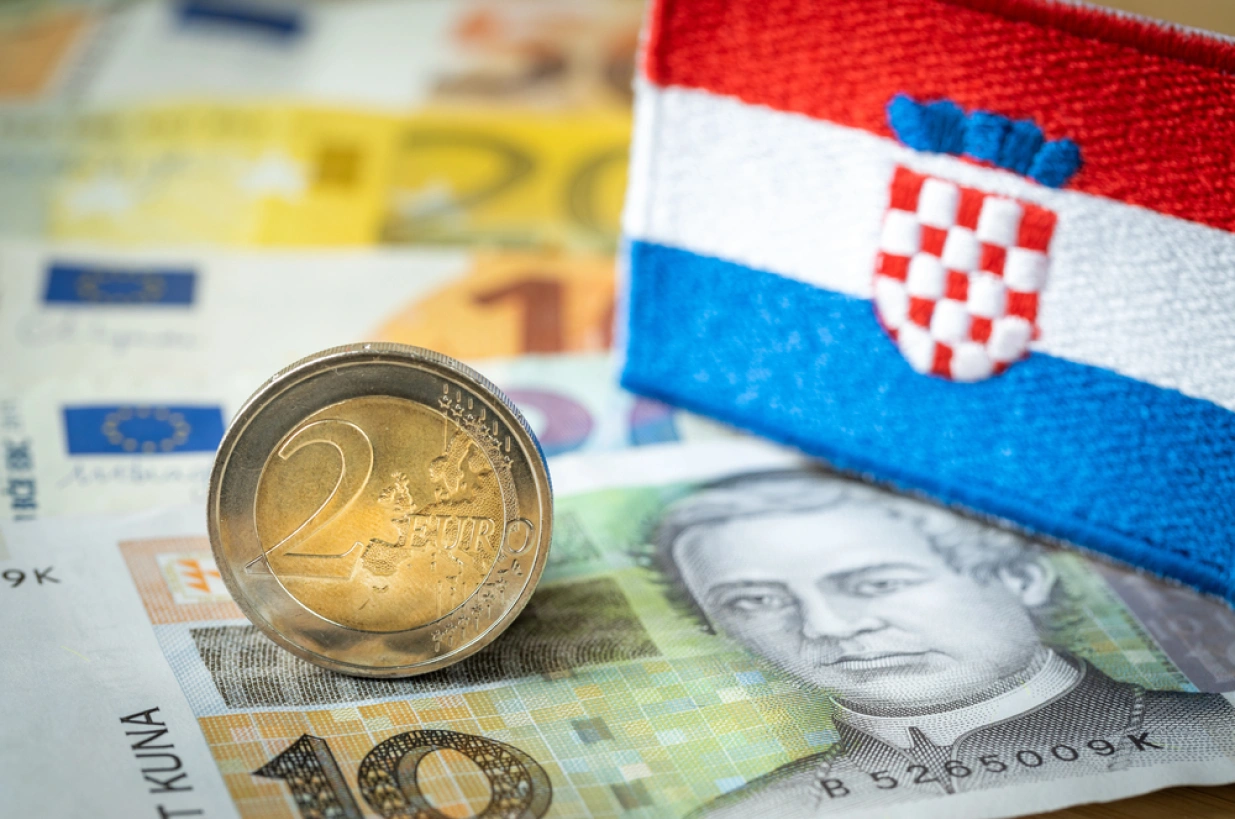
Croatian gross domestic product in the second quarter of 2025 increased by 3.4 percent compared with the same period last year.
The Croatian Bureau of Statistics (DZS) announced that this marks the eighteenth consecutive quarter of economic activity growth, confirming a stable upward trend in the domestic economy.
According to the first estimate, gross value added in the period from April to June increased in real terms by 3.3 percent. Growth was recorded in all areas of economic activity, with trade and services standing out in particular.
Household consumption was also strong, with annual growth of 4 percent. This was driven most by higher revenues in retail trade and increased spending in hospitality, which is linked to the tourist season that remains the most important driver of the Croatian economy.
The government also achieved growth. Public expenditure in the second quarter was higher by 2.4 percent, continuing the trend of increased investment in social and infrastructure programs.
Exports of goods and services increased by 1.6 percent, while imports advanced at a somewhat faster pace of 3.3 percent. This shows the continuation of strong domestic demand, but also a challenge in the foreign trade balance.
Croatia continues to rely heavily on tourism, which accounts for approximately one fifth of total GDP. This structure has its advantages, but also risks, as the economy remains sensitive to global developments in travel and tourism.
The industrial sector has recorded stable growth in recent years, primarily in pharmaceutical production, the food industry, and metal processing. However, the share of industry in the overall economy is still below the European Union average.
Agriculture, although it makes up a smaller part of national income, plays an important role in employment and regional development. The production of wine, olive oil, and other indigenous food products is becoming increasingly important in the European market.
Over the past ten years, foreign investment has grown significantly, especially in the IT sector and financial services. Croatia has a developed startup scene, and Zagreb and Split are gradually emerging as centers of digital innovation in the region.
Positive developments in the labor market are also accompanying economic growth. The unemployment rate in Croatia has in recent years fallen to its lowest levels since independence, partly thanks to the return of the workforce from abroad, but also due to labor shortages in sectors such as construction and hospitality.