

Nepal Serbia
Foreign Workers in 2025: Nepalis Rank Second in Work Permits, Behind BiH Citizens
15.01.2026.
12/17/2025
The Croatian labor market is undergoing historic changes, as confirmed by the latest data from the Ministry of the Interior on residence and work permits issued in 2025.
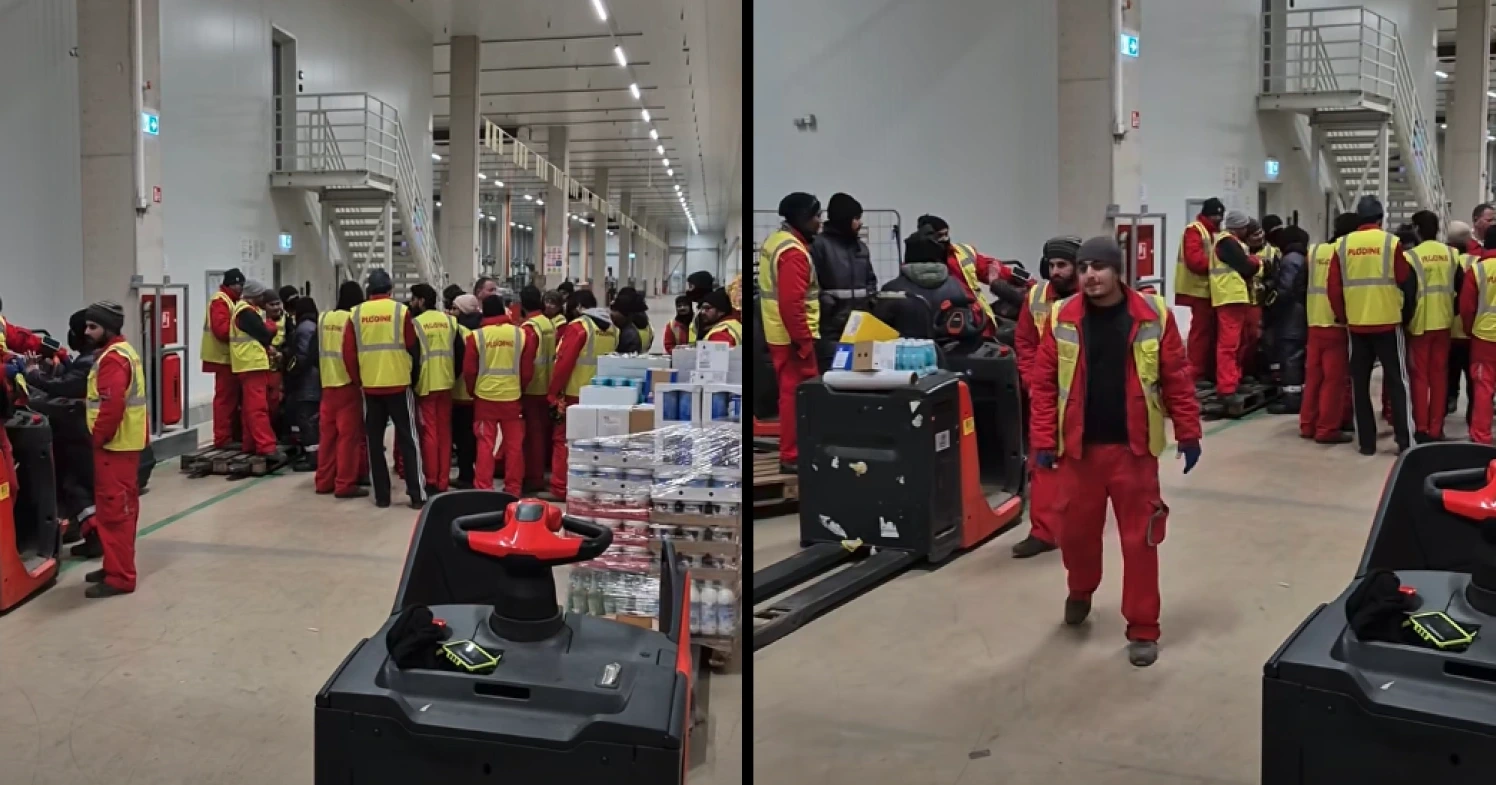
According to official statistics, in the period from the beginning of the year to November 30, a total of 160,176 permits were issued. The structure of the nationalities of those coming to work in Croatia reveals interesting trends, because while workers from neighboring countries had for years formed the backbone of the foreign workforce, the data indicate a dramatic rise in workers from distant markets, primarily from Nepal.
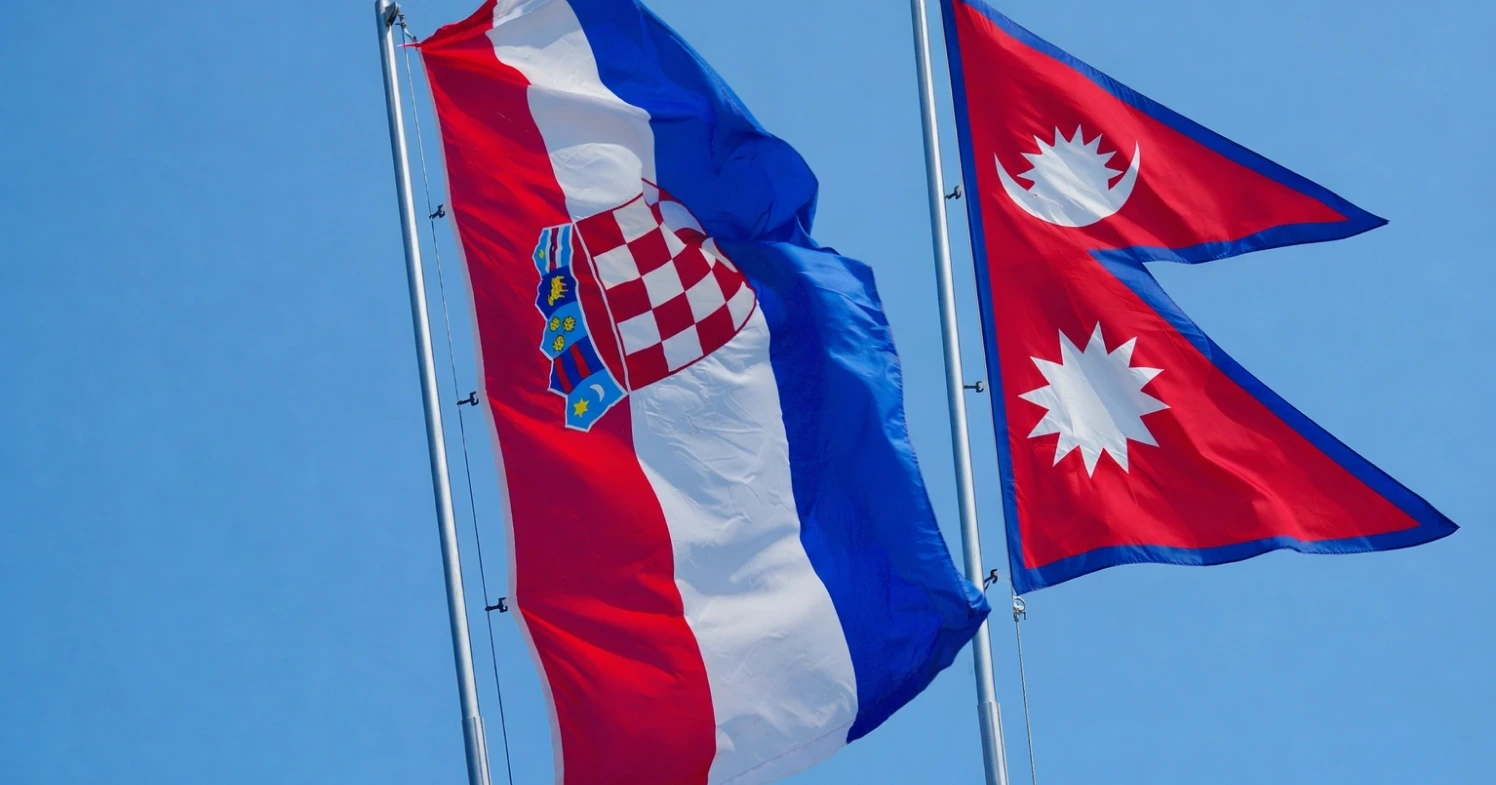
Citizens of Bosnia and Herzegovina still hold first place with 30,188 permits issued, but their long-standing dominance has been seriously shaken. Namely, workers from Nepal have almost caught up with those from Bosnia and Herzegovina, and the difference between these two groups amounts to only 609 permits in favor of the neighboring country.
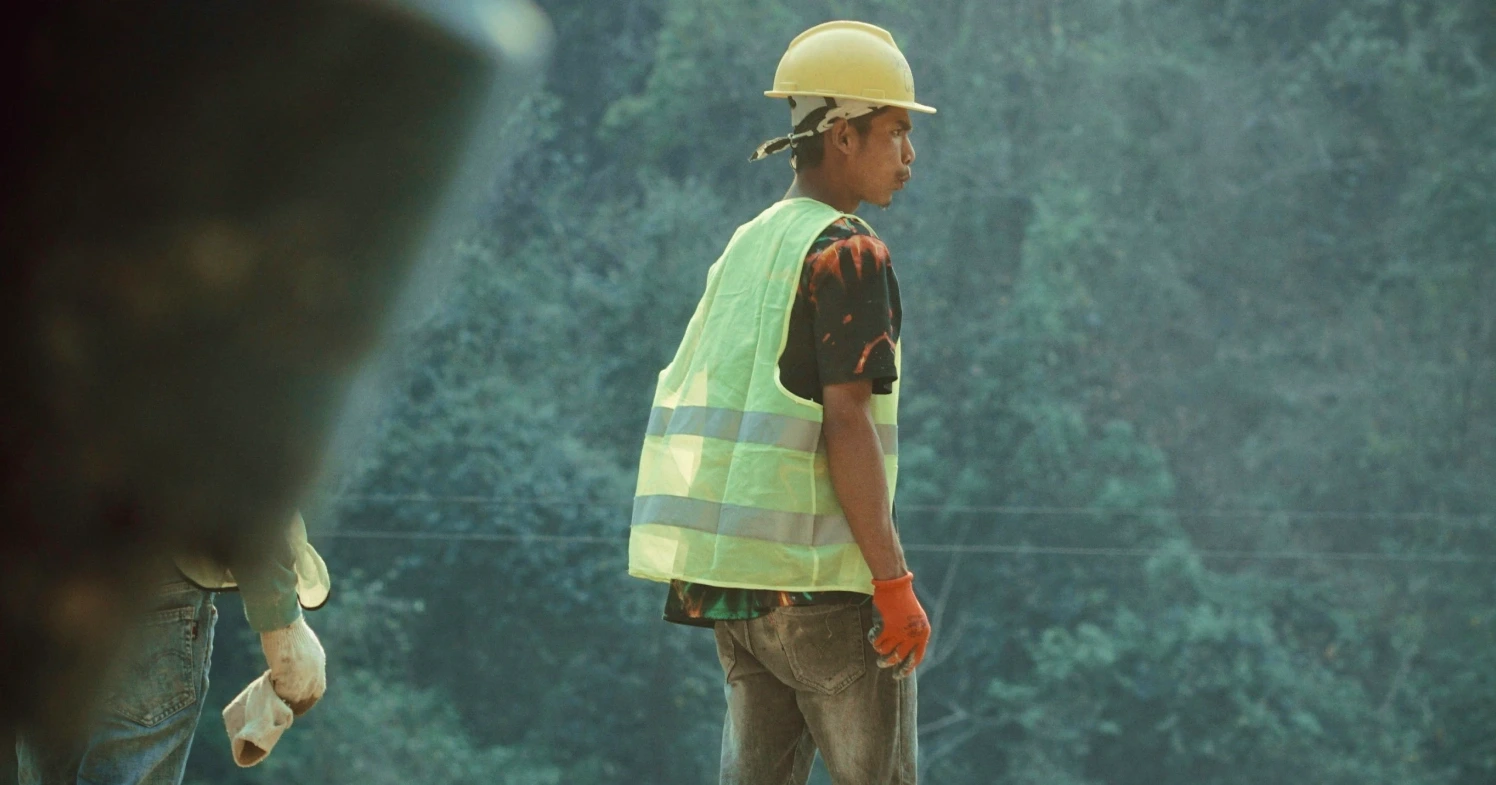
By the end of November, Nepalis had obtained as many as 29,579 permits, which clearly shows a new direction in employment. In third place are citizens of Serbia with 23,145 permits. This ranking may be surprising to the public because Bosnia and Herzegovina and Serbia are geographically immediate neighbors, while Nepal represents a completely different cultural sphere.
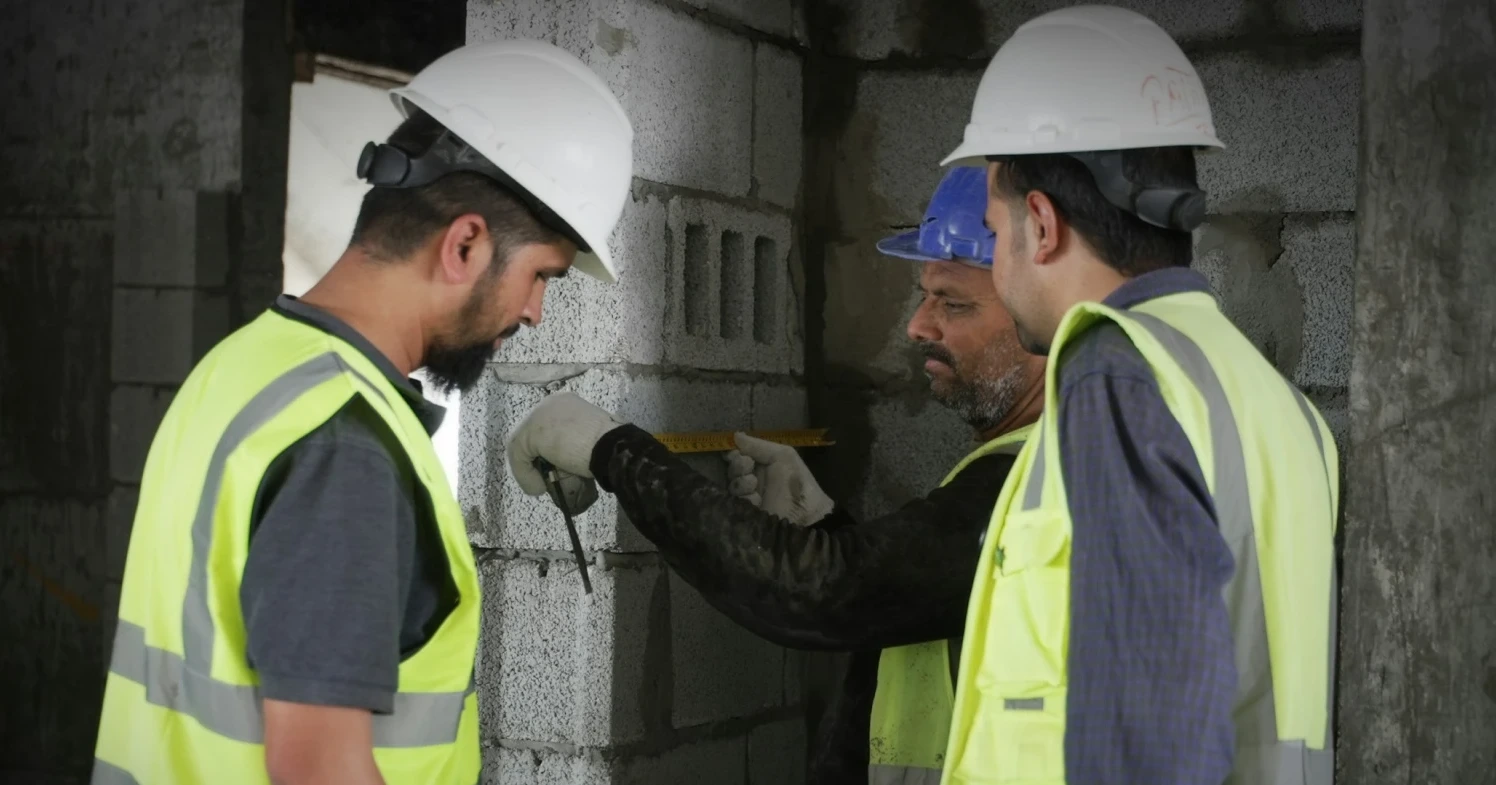
When activities are observed, according to data from the Ministry of the Interior, tourism and hospitality lead with 50,530 permits, while construction follows closely with 49,118 issued documents. A significant number of workers are also engaged in the industry sector and transport and communications. Of the total number of approvals, the largest share relates to new employment, which includes 76,700 cases, while 64,009 permits were issued for extensions, and 19,467 for seasonal workers.
The regional distribution cited by the MUP reveals that the greatest pressure on jobs is in Zagreb and the surrounding area. The Zagreb Police Administration leads with a total of 40,170 permits issued, and it is interesting that the number of permit extensions in Zagreb, 21,033, exceeded the number of new employments, of which there were 18,724. The Istria Police Administration takes second place with 22,824 permits, but there new employment dominates with 12,513 permits, along with a significant share of seasonal workers. On the Adriatic coast, the Split-Dalmatia and Primorje-Gorski Kotar police administrations also stand out, where the seasonal nature of work is particularly pronounced with more than three thousand permits issued per administration precisely for that purpose.
Statistics for 2025 confirm that Croatia is attracting workers from the other side of the world faster than ever before. While the share of workers from traditional pools such as Bosnia and Herzegovina and Serbia is slowly being matched, the very strong rise in the number of workers from Nepal suggests that the domestic economy will in the future have to adapt even more strongly to global migration movements. The dynamics in which distant Asian countries are becoming equal partners to neighboring states in filling Croatian jobs pose new challenges for society as a whole.