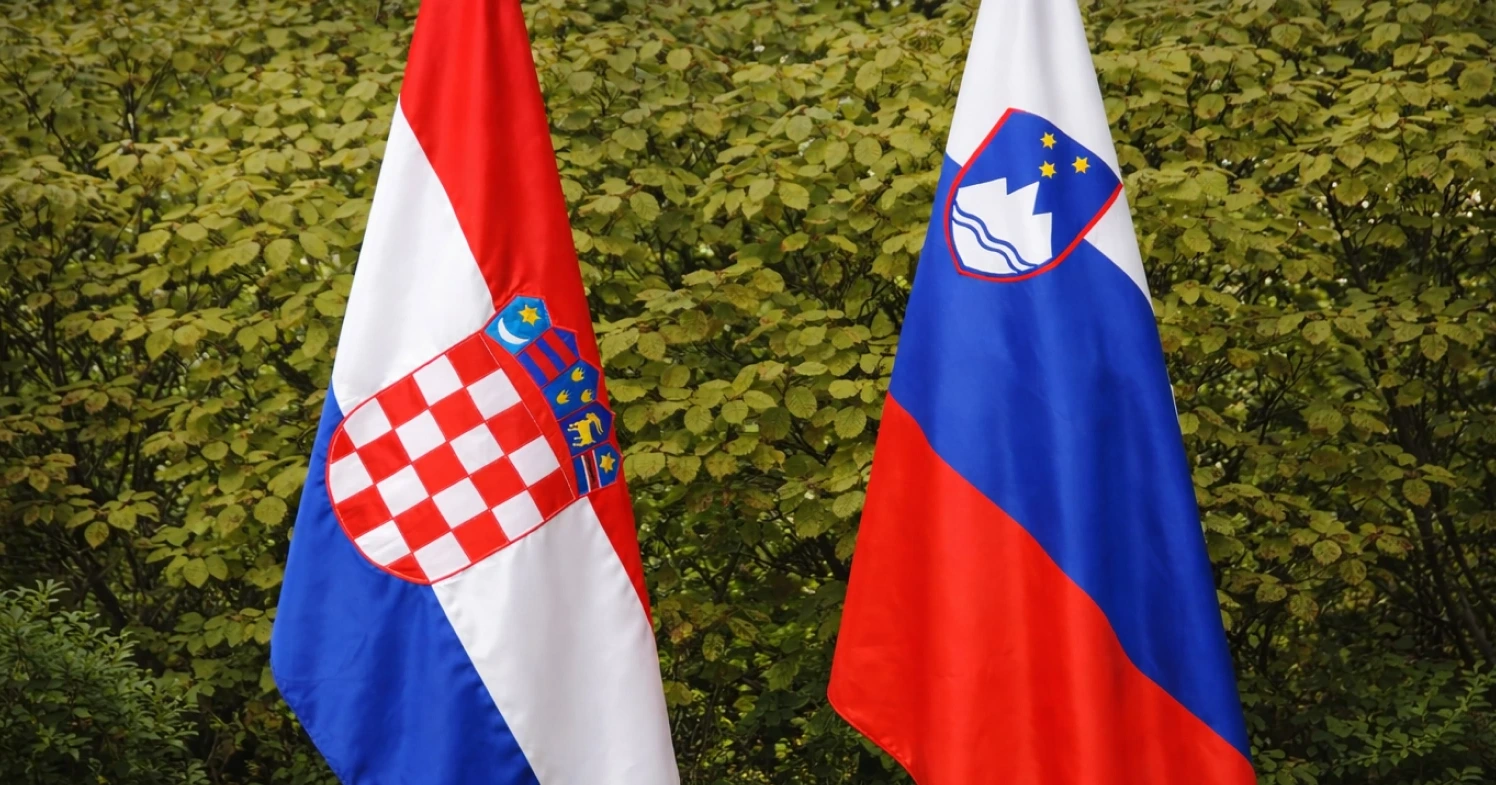


Croatia Slovenia
Croatia Overtakes Czechia: Average Salary Nears Slovenia’s
21.08.2025.
02/23/2026
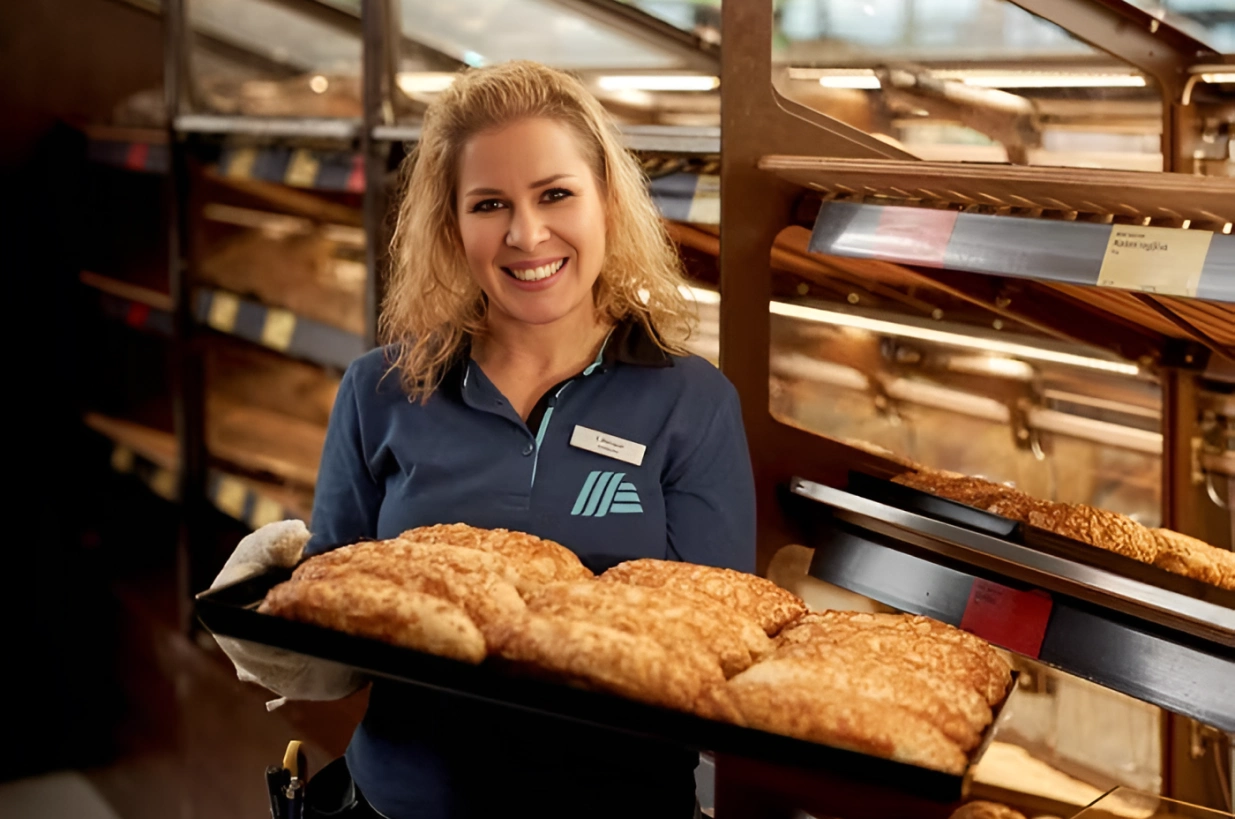
Photo: © HOFER (www.hofer.si)
The well-known discount retail chain Hofer, which operates in neighboring Slovenia, once again delighted its employees at the beginning of this year with a significant increase in earnings.
Although retail is often perceived by the public as a sector with lower wages and an exhausting pace, this Slovenian employer continues to break those prejudices. Along with an increase in base salaries, Slovenian workers will also receive generous bonuses and supplements that significantly exceed the legal minimums in Slovenia.
Hofer is otherwise part of the global retail group Aldi, which is known throughout Europe for exceptionally high business efficiency, but also for significantly above-average wages for its employees.
All employees in sales, logistics, and administration at Hofer in Slovenia entered the new year with noticeably higher wages. According to the latest official data from the company, the gross salary of an experienced salesperson in the highest pay grade for full-time work of 40 hours per week now amounts to 2,373 euros. It is important to emphasize that at Hofer in Slovenia absolutely no one receives the minimum wage. In fact, their earnings drastically exceed the Slovenian state minimum wage.
In numerical terms, a salesperson's salary in Slovenia now exceeds the local minimum wage by as much as 890 euros, which is a huge difference of 60%.
The Slovenian legal minimum wage for 40 hours of work amounts to just under 1,500 euros gross. In contrast, a worker at Hofer in Slovenia who works part-time, that is, 30 hours per week, will earn almost 1,800 euros gross. From this, a clear conclusion follows: a Slovenian worker at this company, for a quarter shorter working hours, receives a salary one-fifth higher than the state minimum wage prescribed for full-time work.
The company's management in Slovenia emphasizes that this increase is not a coincidence, but part of a long-term strategy of investing in people. Petra Štrukelj, head of human resources for the Slovenian market, clearly articulated the motives behind such decisions.
'We are proud to offer some of the highest earnings among food retailers on the Slovenian market. In this way, we directly influence the reputation of the salesperson profession, but also the overall satisfaction of our employees. That we are on the right track was also confirmed by the latest employee engagement survey from 2025, according to which the overall satisfaction index in our company stands at a high 84%', emphasizes Štrukelj.
She also adds that employees in Slovenia automatically advance through pay grades until they reach the highest level, which ensures stable growth in earnings over the years of work.
In addition to regular and secure monthly earnings, Hofer in Slovenia traditionally rewards its employees with high financial supplements as well. Vacation allowance, which is usually paid in Slovenia before summer, has this year been increased to a round 2,000 euros, which is a significant jump compared to last year. In addition, workers in Slovenia are also entitled to a winter allowance, that is, a Christmas bonus. That winter supplement will amount to 741 euros, exactly as prescribed by Slovenian law.
In addition to the base salary, summer and winter allowance, this employer in Slovenia also covers the maximum non-taxable amount of meal allowance in the amount of almost 8 euros per working day. Alongside everyday costs, investment is also made in the long-term security of workers.
From this year, Hofer in Slovenia is paying more funds into the second pension pillar of its employees, and it also provides them with additional specialist health insurance in private polyclinics. Employees in Slovenia also have other valuable benefits at their disposal, such as paid multi-month leave for personal needs, the possibility of taking an additional free year after the end of maternity leave, and significantly more favorable sports activities. Human resources representatives at Hofer in Slovenia emphasize that with this approach they want to ensure a stimulating work environment, and their internal surveys show exceptionally high employee satisfaction amounting to as much as eighty-four percent.
One of the most interesting concepts that Hofer in Slovenia offers on the local market is its specific and innovative employment model. It is the possibility of working part-time, on average 30 hours per week, while retaining absolutely all the rights that come with a classic full-time contract.
Put simply, a worker in Slovenia spends less time at work, has more free time for family and rest, but the employer pays contributions in such a way that full years of service are recorded for them in the Slovenian pension system. Also, such a worker is entitled to the full amount of vacation allowance and all other supplements, without any reductions. The enormous popularity of this model is best illustrated by the fact that at the end of last year more than ninety percent of all employees in sales and logistics at Hofer in Slovenia used precisely that option.
The moves of large retail chains in neighboring Slovenia, such as this latest wage increase, send an exceptionally strong message to the entire labor market in our wider region. It is generally known that the retail sector was for decades synonymous with difficult working conditions, weekend work, and very low earnings. However, strong competition on the Slovenian market and the general European labor shortage have forced modern employers into fundamental changes in their approach to workers.
Hofer's business strategy in Slovenia clearly shows that high wages, strong social security, and deep respect for work-life balance are not just a cost for the company. It is a smart and necessary investment in retaining skilled and satisfied workers. The result of such a policy is directly reflected in better service for customers and stable company profit.
Such examples from neighboring Slovenia serve as an excellent and much-needed indicator of the direction in which workers' rights in the Croatian retail sector should develop. Practice in Slovenia clearly proves the simple market truth that when an employer offers fair compensation and dignified working conditions, the problem of finding and retaining good workers very quickly ceases to exist.