


Germany money
Work for a Year Without Interruption for a €1,000 Bonus: Proposed German Regulation Faces Backlash
10.10.2024.
07/17/2025
Many people from Bosnia and Herzegovina decide to live and work in Germany, hoping for a more stable everyday life and greater opportunities for themselves and their family. However, arriving in a new environment often also means facing challenges they are not always prepared for, regardless of experience and age.
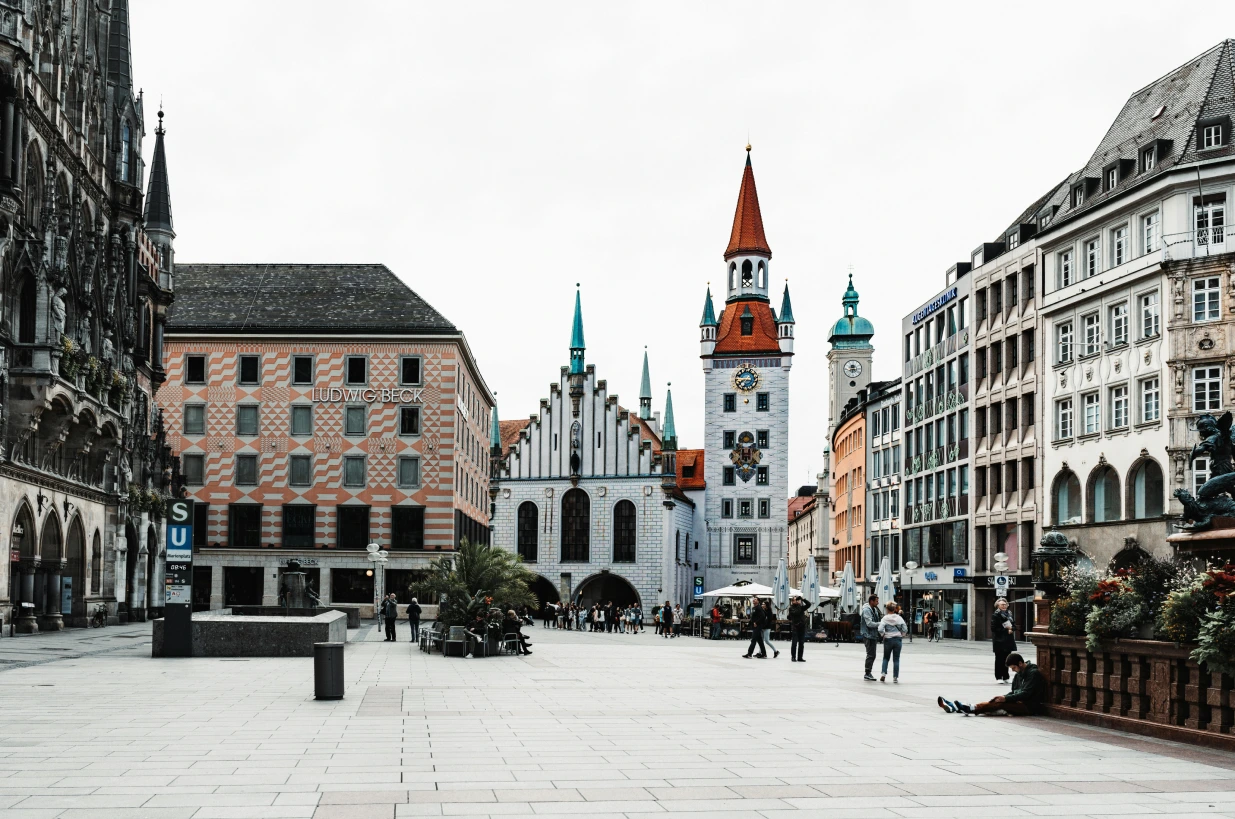
One Croatian woman from Bosnia, whose story is reported by the portal Hercegovka.net, moved with her family to Munich to live with her son. Despite the desire to start life in the new country as easily as possible, reality was considerably harsher.
Immediately upon arrival, although she did not know the German language, she accepted a job through an agency from the Balkans, trusting the recommendations of “our people” who had already been working in Munich for a longer time. The workplace was in a German company, but the intermediary was an agency run by people from Bosnia.
Aware that without knowledge of the language there were not many choices, she took on the hardest jobs. The very first working days brought unpleasant situations, colleagues mocked her and openly humiliated her, and the female colleague who was supposed to share duties with her regularly rushed her. Only when her family at home asked what the repeated “schnell” meant, and she found out it meant “faster,” did she realize under what pressure she was working.
As the months passed, work obligations increased, insults became a daily occurrence, and the hardest moment was when she realized that for a whole year, alongside her own job, she had been completely alone doing a “mini job” for a colleague who was not present at the workplace at all. The salary was regularly paid into the other woman’s account, while she received nothing for that additional, demanding work. Meanwhile, due to stress and overtime hours, her health deteriorated, she lost a lot of weight, and even her family did not know for a long time what she was going through, attributing everything to the adjustment phase to a foreign country.
She experienced the greatest humiliation when they regularly jokingly offered her leftover food from work so that she could “at least take something home,” because, as they claimed, she had not earned enough. Although she did not want to take it, they would often secretly put it in her bag.
After a whole year of this kind of treatment and a health breakdown, the family found out what she had been going through. They all went together to the company to recount the details. The company management also reacted, those responsible were dismissed, and the others were warned about their behavior. The woman then resigned herself and decided to look for a better opportunity.
A new chance came thanks to a man from a neighboring company who had been observing her effort and persistence every day and offered her a new job. Today she has been working there for five years, and she says they value her, pay her regularly, and respect all agreements.
Finally, it is important to explain what a “mini job” is and why in cases like this it can be abused. In Germany, a “mini job” is the name for occasional jobs in which monthly earnings do not exceed 538 euros. For these jobs, employers pay reduced contributions, and they are intended for students and people who want additional or smaller earnings. Unfortunately, employers sometimes do not respect the rules and workers’ rights, which can lead to abuses as in this case.
This story warns everyone planning to go abroad for work to inform themselves well about labor legislation and their rights in order to avoid similar unpleasant situations.