

Switzerland work quotas
Switzerland to Fully Abolish Quotas for Croatian Workers from 2026
16.01.2026.
04/09/2026

While much of Europe faces economic uncertainty and wage stagnation, one Alpine country continues to defy trends and open its doors to thousands of new professionals.
Switzerland is once again confirming itself as the most desirable destination for workers from around the world, and the latest data show that demand for labor has reached critical levels. According to official data from the European job mobility portal EURES, there are currently as many as 20,000 job openings in various industries.
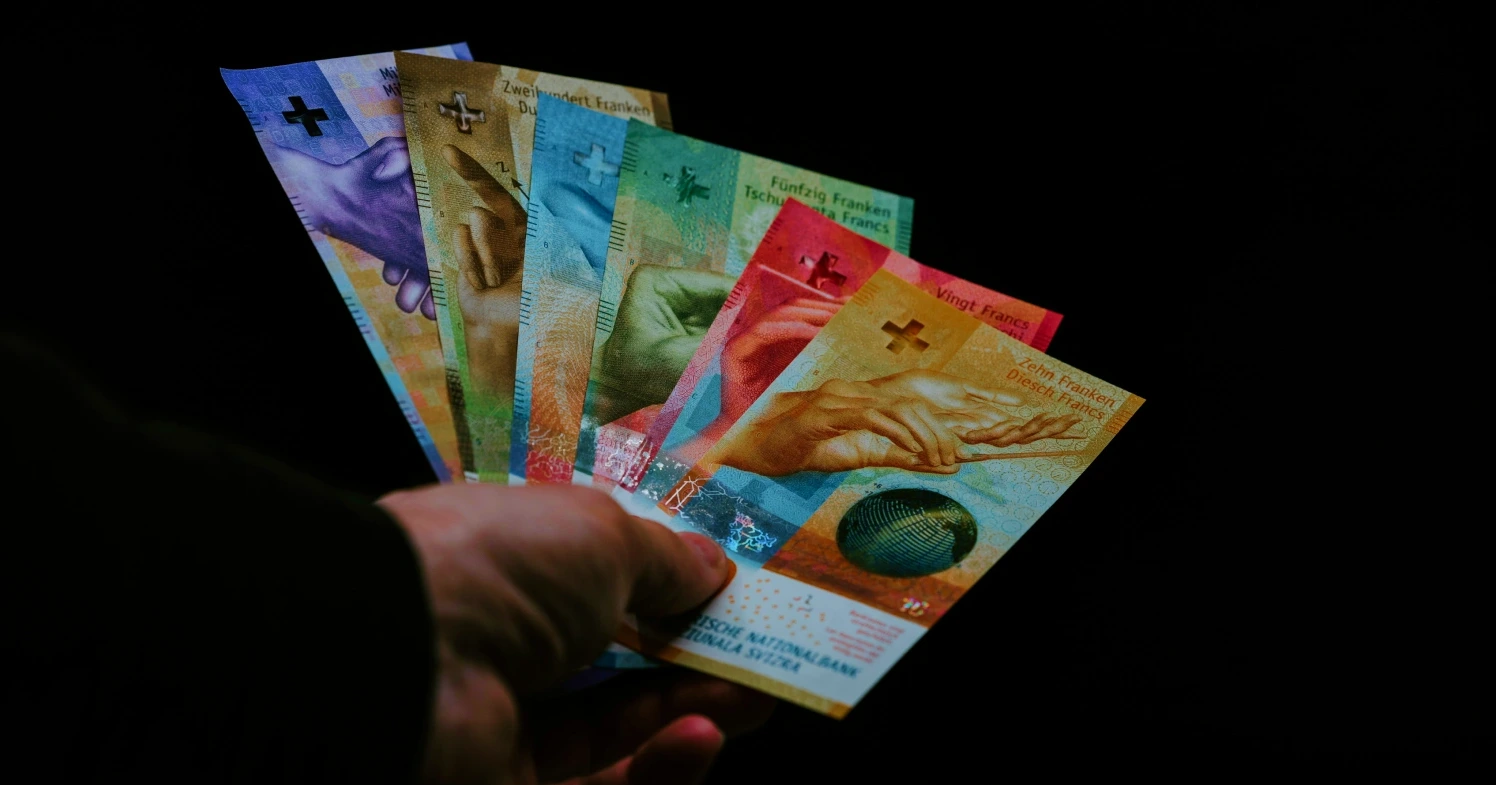
What attracts the most attention from potential candidates are the amounts appearing on pay slips, writes journalist Fran Franjković for Dnevno.hr. Average monthly earnings in this country are around 7,400 euros, while in certain sectors these amounts become even more impressive. However, behind the glitter of high figures lies a strict market that demands top preparation and specific skills from candidates.
The healthcare system is currently under the greatest pressure, crying out for qualified personnel. Hospitals and clinics across the country are looking for specialist doctors, with particular emphasis on pediatrics, gynecology, anesthesiology, and internal medicine. Alongside highly educated staff, there is also enormous demand for nurses, surgical technicians, and support staff in elderly care.
In addition to healthcare, technical and industrial occupations make up a significant share of open vacancies. Swiss industry continuously seeks skilled machinists, metalworkers, and carpenters with practical experience. Pharmaceutical and radiology technicians are also on the list of most sought-after professions, reflecting the strength of the Swiss pharmaceutical sector, which is one of the leading ones in the world. Geographically speaking, the most opportunities are concentrated in the economically strongest regions such as Zurich, the northwestern part of the country, and central Switzerland.
When it comes to salaries, Switzerland ranks at the very top globally. In the information technology and telecommunications sectors, monthly earnings often exceed 9,700 euros. The financial sector, for which this country is globally known, offers even higher amounts, so experts in banking and insurance can earn up to 10,800 euros per month.
Even in lower-paid occupations, amounts rarely fall below 6,500 euros, figures that are unimaginable in most European countries even for high managerial positions. Such earnings are the result of a strong economy, but also of high labor productivity, which is considered the standard in Switzerland.
Although it sounds like an ideal opportunity, entering the Swiss labor market brings with it a series of challenges that many candidates initially overlook. The first and basic obstacle is language proficiency. Depending on the canton, knowledge of German, French, or Italian is most often not just an advantage but an elimination criterion. Most employers seek a high level of literacy and speaking skills to ensure flawless communication within teams.
The second important issue is work permits. Switzerland has a very precisely regulated residence permit system that depends on the worker's citizenship and the type of employment contract. The process of obtaining documentation can be lengthy and requires strict adherence to administrative rules. Also, most jobs require formal recognition of diplomas and certificates, a process that can take months.
Additional important news comes from the decision of the Federal Council of the Swiss Confederation on the complete abolition of restrictions on access for Croatian citizens to the local labor market because the number of permits issued in the past year did not reach the thresholds for activating the safeguard clause. By this act, Croatian workers achieve full freedom of movement and are permanently equalized with other citizens of the European Union, thereby removing all legal possibilities for reintroducing quotas in the future. Existing data show that Croatians made up two percent of total immigration from Europe, most often finding employment in the sectors of industry, construction, retail trade, and healthcare and social services.
One piece of information that often surprises foreign workers is the fact that Switzerland has no legally prescribed minimum wage at the national level at all. While many European Union countries are used to fixed minimum amounts, in Switzerland wages are negotiated directly between employer and worker or are defined by collective agreements for certain branches of industry.
Switzerland remains a promised land for those who are ready for hard work and continuous improvement. Twenty thousand open positions are a clear signal that this economy is not slowing down, but at the same time it sends the message that only quality is sought. For the average worker from Croatia or the rest of the region, these amounts represent an opportunity for complete financial transformation.
However, it is important to remain realistic. Moving to Switzerland is not just a change of address but also a complete adaptation to a system that values punctuality, discipline, and top expertise. Those who possess the sought-after skills and are ready to overcome the language barrier will find in Switzerland not only a high salary, but also a level of professional security that is rarely seen anywhere else in the world today. Given the trend of an aging population, demand for workers is expected to grow further in the future, which keeps Switzerland on the throne of the most desirable labor markets in the long term.