

Mediterranean Portugal
From Europe’s ‘PIGS’ to Growth Leaders: The Mediterranean Takes Center Stage
03.02.2025.
11/20/2025
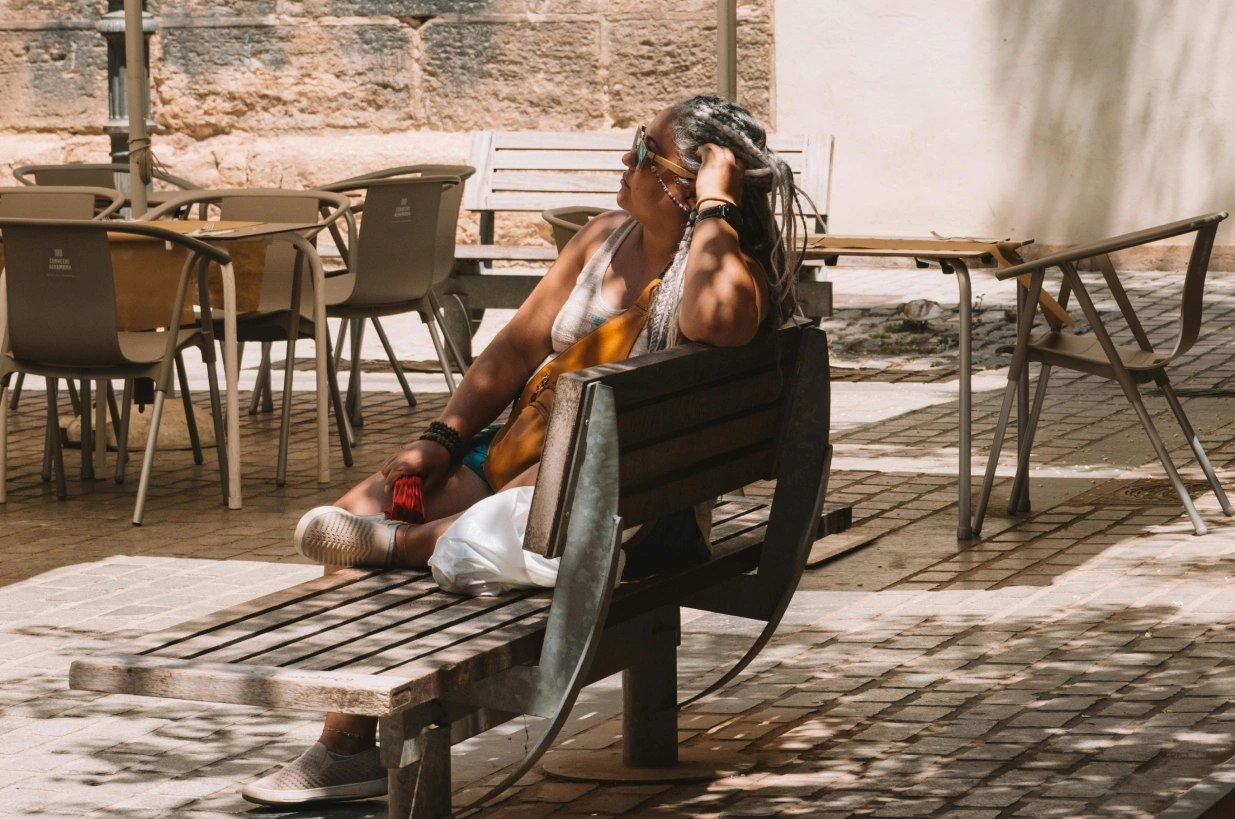
Spain or Greece, two in the afternoon, the sun is blazing, and the streets are empty. Everyone has gone for a 'siesta', lunch lasts three hours, people sleep, and work waits. Sounds like paradise on earth, right? Well, forget that image. Reality today is much harsher.
The story of lazy Mediterraneans dozing for half the day has become a tourist fairy tale that has less and less to do with modern life in Madrid, Barcelona, or Athens. True, long breaks have not completely disappeared, but the reasons why they are shrinking are not just workers wanting to go home. It is much more complicated.
The main killer of the legendary 'siesta' is not a lack of desire for rest, but globalization. Try explaining to a client in London, Berlin, or New York that you are unavailable from 2 to 5 p.m. because you are 'resting after lunch'. That no longer flies in 2025.
Large corporations, banks, and the IT sector in Spain and Greece switched to European working hours long ago. The pressure from the EU for standardization is enormous. If you want to do business with the rest of the world, you have to work when the world works. Zoom calls, deadlines, and stock exchanges do not know what 'fjaka' is. Where big money moves, the lunch break has been reduced to a quick sandwich, just like here.
On top of that, there is digitalization. The possibility of working from home and hybrid work have completely made pointless the idea that you have to sit in the office until 8 or 9 p.m. just because you had a three-hour break.
Along with globalization, the factors affecting the disappearance of the traditionally long break are rising living costs, the need for coordinated working hours in families, the demands of the modern labor market, digitalization, and online communication.
Does that mean the story of a three-hour break is a lie? Not exactly. It depends on whom you ask and where you are. Here, one needs to be precise.
In big cities, the long break has become a logistical nightmare. People commute to work for as much as an hour. There is no point in going home for lunch and then coming back. No one wants to sit idle for three hours in the city center only to have to stay at work until late in the evening. People want to get their work done and get home to their family or for a beer at a normal time.
In smaller places, rural Andalusia, villages around Valencia, or on the Greek islands, the 'siesta' is still practiced. There, small family shops, bakeries, and local services pull down the shutters at 2 p.m. And they do not raise them until 5 or 5:30 p.m. That is not just a matter of rest, it is a matter of tradition and climate. When it hits 40 degrees Celsius in the shade in July, working is impossible anyway.
Also, there is a huge difference between the corporate sector and service industries. While bankers sweat in suits all day, waiters and souvenir shop owners in tourist zones still work split shifts.
Restaurants in Spain still do not fill up before 2:30 p.m. for lunch, and dinner before 9 p.m. is unthinkable. That rhythm does not change because it is deeply rooted in the culture of eating and socializing.
The story that 'down south they do not work' is a myth. They do work, and a lot. It is just that Spain and Greece are now moving at two speeds. One is the accelerated, European one, which wants to escape from work and get home as soon as possible. The other is the traditional, local one, which still refuses to give up its peace.
So, if you work with a company from Madrid, expect a reply immediately. But if you plan to buy bread in a small Greek village at 3 in the afternoon, you will 'kiss the door'.
And while we often look toward Spain with envy, thinking they are enjoying themselves, we forget one key thing that we in Croatia take for granted: our break is often paid. In Croatia, the legal standard (with certain exceptions) is that that half-hour break counts as working time. For most office jobs, the math is clear: you arrive at 8, you go home at 4.
That is precisely where the biggest trap lies for those Spaniards who still work under the traditional split-shift system. Their long break may sound nice, but as a rule, it is unpaid.
That means workers in that regime are practically 'trapped' by work all day. They go on break at 2, come back at 5, and then have to work until 8 or 9 p.m. to complete their quota. While the average Croat is already having coffee downtown at 4:30 or picking up a child from kindergarten, a Spaniard on a split shift is only just returning from that 'famous' break back to the office.
That is why it is no surprise that Spaniards themselves are today the loudest in demanding the abolition of the 'siesta', not because they do not like rest, but because they want a life after work.