

investment account Croatian investment account
Croatia Could Introduce a Tax-Free Investment Account: What Are the Rules?
24.09.2026.
07/30/2025
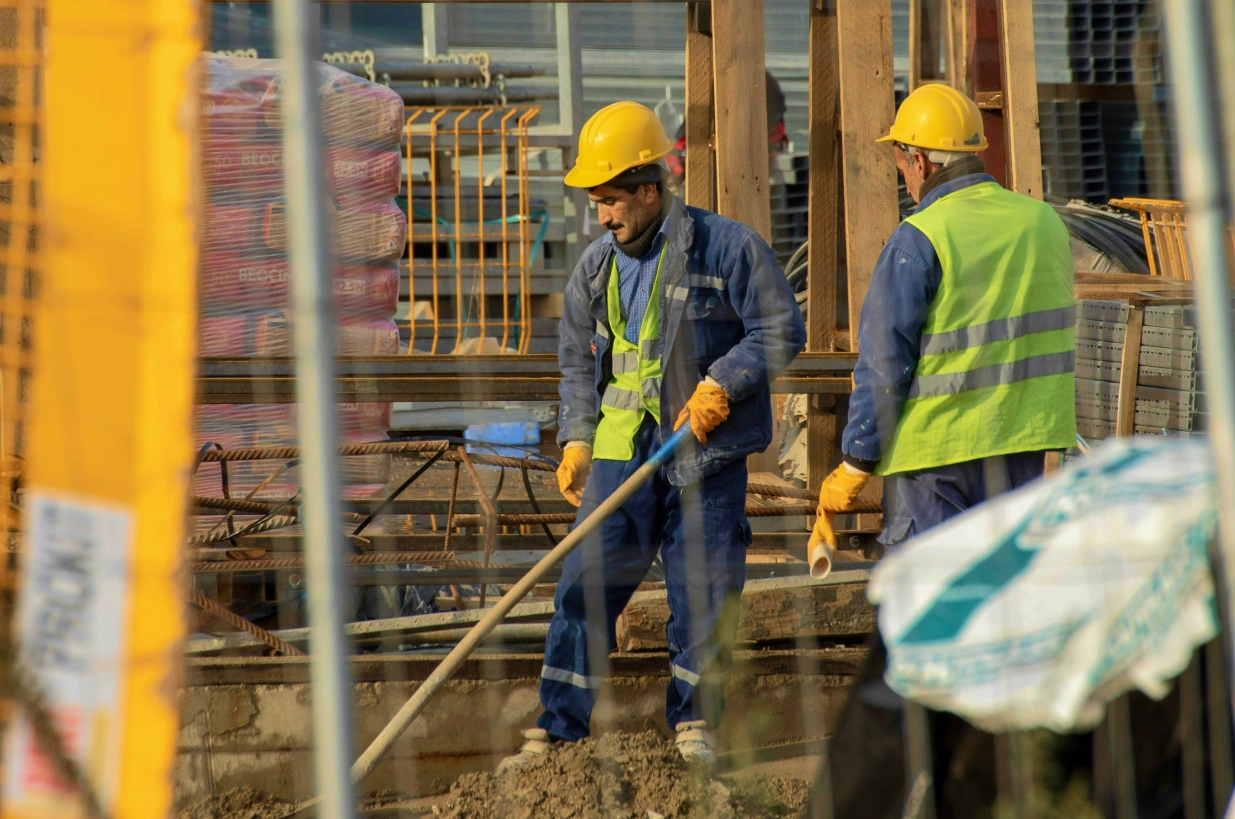
In Croatia, there is still no law that explicitly prohibits working at temperatures above 35°C without air conditioning, shade, or organized breaks.
The legal framework has not precisely defined the schedule and conditions under which work may or may not take place during hot summer days. Nevertheless, in the past few years, a shift has been visible in efforts to better define the area of occupational safety when it comes to high temperatures, especially since practice from other European countries shows that this segment should not depend on the goodwill or interpretation of employers, particularly in sectors such as construction and agriculture, writes N1.
The current Occupational Safety Act in Croatia does not specifically regulate the issue of work during heat waves, but only prescribes the obligation to comply with recognized professional guidelines. The Occupational Safety Ordinance generally prescribes protection at outdoor workplaces and obliges employers to follow the instructions of the Institute of Public Health from occupational medicine when it comes to unfavorable weather conditions.
However, no direct fines or sanctions are prescribed for any failure to apply those instructions. Unions such as the Construction Workers' Union of Croatia regularly warn employers of the necessity of implementing European guidelines, for example risk analysis at workplaces exposed to high temperatures and the introduction of automation or equipment to ease physical labor, ventilation, the use of air conditioning in machine and vehicle cabins, and insulation of heat sources.
In addition to technical measures for worker protection, work organization is also important, which in extreme conditions includes redistribution of working hours, shortened working hours, flexible schedules, frequent breaks, available cold drinking water, and mandatory protective equipment. In practice, collective agreements often provide for a wage supplement for work at temperatures above 35°C, which as a rule amounts to about 5% for hours spent outdoors.
Unions also emphasize the necessity of stronger collective regulation, through dialogue between employers and workers' representatives, so that rules on working during hot days cease to be a matter of personal assessment by individual companies. In larger companies where union organization is more pronounced, safety measures are more often respected than among small employers and subcontractors who often do not have occupational safety experts.
As a reminder, in most European countries the highest permissible working temperature is not legally prescribed, but there are, for example, recommended values in Germany of 26°C for indoor workplaces, while for outdoor work the activation of protective measures is expected when the temperature is above 35°C. In Spain, where heat waves are more frequent, the law requires prevention of occupational risks during extreme temperatures, and measures are intensified in accordance with warnings from the national meteorological service.
Union representatives in Croatia have for years been appealing to the Ministry of Labour and other competent institutions to regulate the issue of work in conditions of temperature extremes more precisely and bindingly. Currently, practice is such that protective measures in the field often depend on the awareness and responsibility of the employer, which leaves room for different interpretations. Proposals for stronger legal regulation of work during heat waves have so far met with limited institutional response, primarily due to a lack of political priority and a lack of an integrated strategic vision.
Climate change and the increase in the number of extreme heat waves have placed this topic high on the agenda of the public and unions, especially since in labor-intensive sectors such as construction and agriculture workers are increasingly working in life-threatening conditions. Precisely because of this, awareness is growing in the European Union of the need for clear regulations that should not remain only at the level of recommendations, but should receive a legal framework. In Croatia, there is still room for systematic improvement, and unions will continue to insist on concrete and measurable solutions.
It is generally known that exposure to high temperatures without adequate protection carries the risk of heat stress, dehydration, exhaustion, and reduced work efficiency. The World Health Organization advises working at temperatures between 16 and 24°C, while temperatures above 30°C already significantly increase the risk of workplace accidents. Heat waves have become more frequent in recent decades due to global warming, and it is estimated that as many as a quarter of workers in the European Union occasionally work in hot conditions.
Precisely because of these risks, employers are obliged to carry out a hazard assessment and adapt working conditions in cooperation with occupational medicine experts, as well as organize training on the symptoms of heat-related illnesses and the proper provision of first aid. Good practices for organizing work in extreme heat are known worldwide, such as introducing a 'siesta' during the hottest part of the day or moving the start of working hours to the early morning.
It is also important to note that workers in sectors with permanent or seasonal outdoor work have the right to preventive medical examinations, as well as the right to refuse work in conditions that endanger their health. Effective protection of workers from the consequences of high temperatures is not only a matter of individual well-being, but also of the overall productivity and sustainability of the economy.
Appropriate regulation of this issue becomes all the more important because it is estimated that in the future the number of days with extreme temperatures will increase significantly, and with it the likelihood of serious health incidents at work. It is expected that the responsible institutions will recognize this trend and urgently adopt clear and enforceable regulations in order to ensure the right to a safe and healthy workplace for all workers in the Republic of Croatia.