

Croatia economy
Did Rising Prices Boost Croatia’s Economy? Citizens Have Started Spending Less
28.08.2026.
01/27/2026

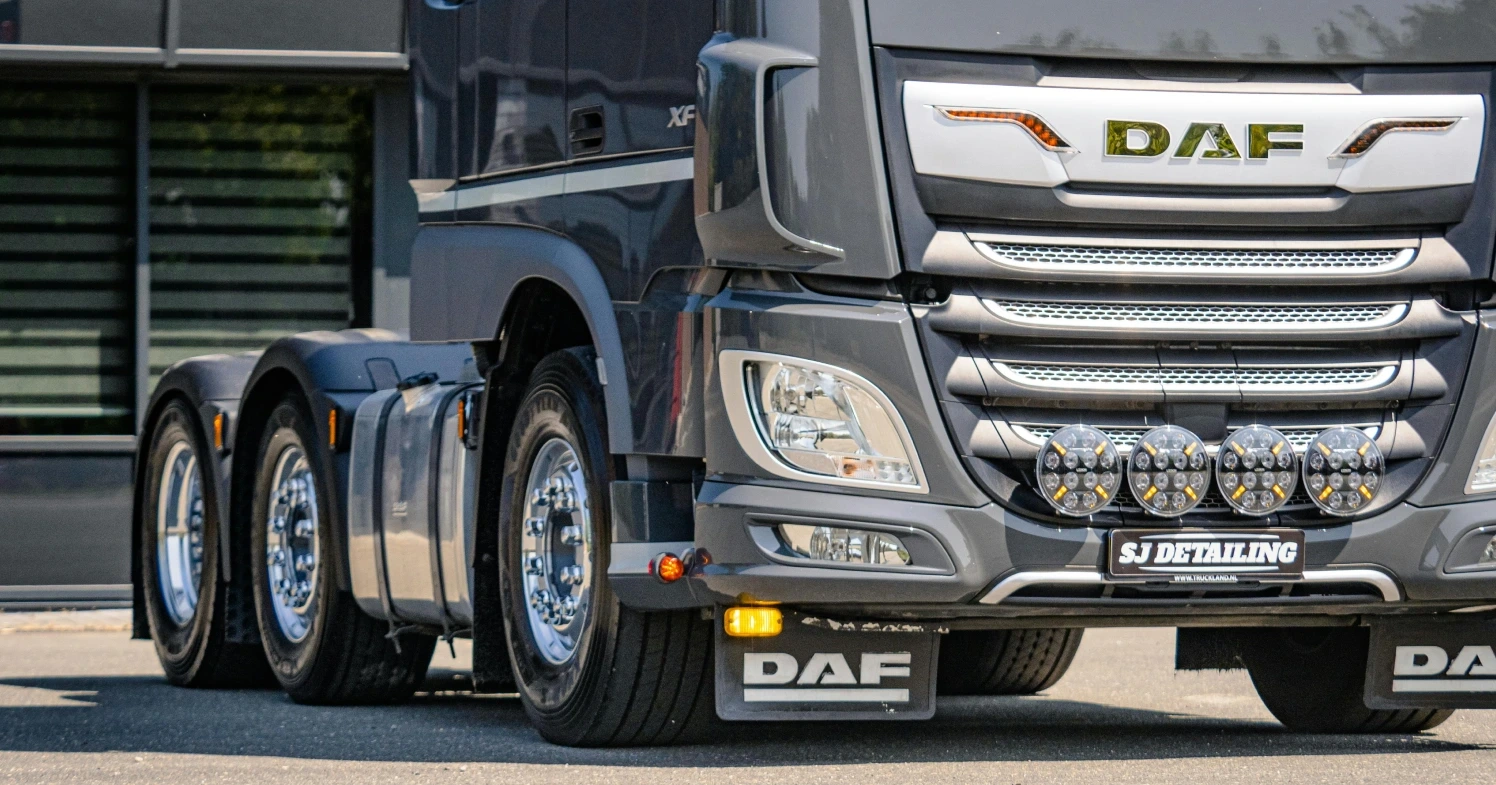
The Croatian economy is facing a serious challenge as the country is currently lacking almost 5,000 professional truck drivers.
According to official statements by HRT, this problem is not isolated only to our region but affects the entire European Union, where more than 240 thousand workers are needed in this sector. The Croatian Chamber of Economy clearly warns that this situation directly affects all branches of industry because without adequate transport the entire supply chain suffers.
The problem can most easily be explained through the simple process of price formation, because every product we buy in stores must get from the manufacturer to the shelves. For this transport to take place, a driver is needed whom the employer must pay adequately, and increased labor costs and staff shortages inevitably lead to a rise in the price of the transport service itself. The domestic sector is struggling with the fact that salaries in the rest of the European Union reach up to €4,000.
'Of course we cannot keep up with salaries in the EU, which reach up to €4,000, but there is a good number of employers who have found mechanisms to keep those drivers in Croatia,' says for HRT Vedran Bestvina, senior expert associate at HGK Osijek..
Although a solution is being sought through the education system, the interest of younger generations in this profession has remained at the same level for two decades while market needs continue to grow. Vocational schools educate only a small number of students each year, which is not enough to compensate for the natural outflow of workers who retire or go abroad. Without strategic investment in better working conditions and systematic encouragement of young people, the entire transport sector could find itself in a complete standstill.
The question that arises is whether the domestic market has the strength for a turnaround without relying exclusively on importing labor from distant countries. Experts believe that the key could lie in tax relief measures that would enable employers to pay more competitive salaries to those who decide to stay in Croatia.
It is also necessary to modernize the retraining system in order to make the process of obtaining the necessary categories for operating heavy vehicles easier and cheaper for unemployed persons. Without a clear national strategy that would ensure more dignified working conditions for drivers, Croatia will continue to be only a transit point for workers seeking a better future in the west.
The German logistics industry is also issuing dramatic appeals due to the growing staff shortage that directly threatens supply there.
Dirk Engelhardt, spokesperson for the executive board of the German Association for Road Haulage, Logistics and Waste Disposal, pointed out that more than 100,000 truck drivers are missing. The situation is becoming unsustainable because in that country between 30 and 35 thousand drivers retire every year, while only half as many new workers enter the labor market. This negative trend clearly indicates that the gap in the transport sector will continue to widen, which represents a huge risk for the stability of the entire European market.
Croatia is at a turning point where it must decide whether it will passively watch experienced drivers leave or create conditions that will keep them in the homeland. Rising living costs and logistical delays are only the beginning of the problems, which will become even more pronounced if a way is not found to motivate new workers. The transport industry is no longer asking only for temporary measures but for fundamental changes in the valuation of this difficult and responsible profession that literally keeps the world moving.
On our pages you can find open positions for drivers (m/f) to work across the EU, for example in Germany, Slovenia and Ireland, but also outside the borders of the Union, such as the United Kingdom.
Browse all current offers and available jobs here.