


Croatia living
Cost of Living in Croatia: 'Where Does €2,500 Go and Is It No Longer Enough for a Family?'
17.02.2026.
02/23/2026
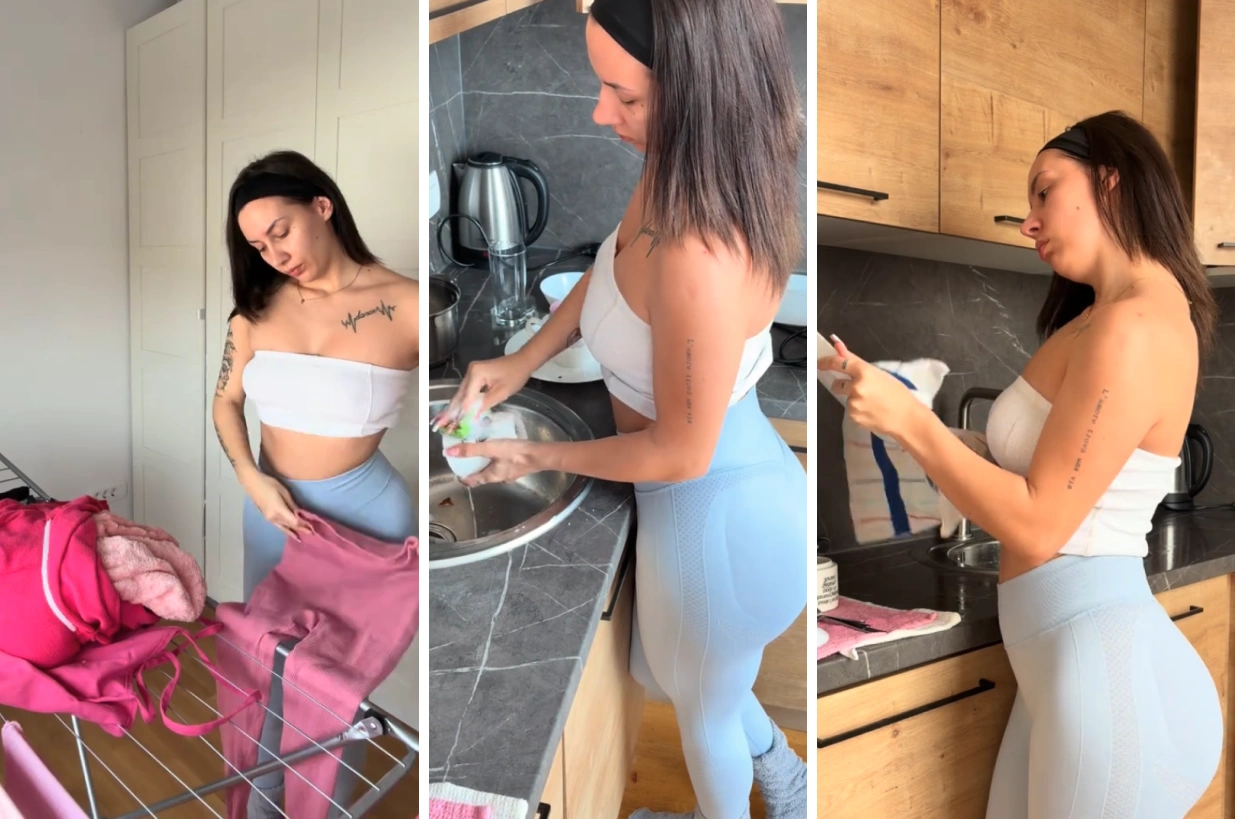
Photo: TikTok screenshot (@sarahseiferttt)
Amid the ever-present discussions about living standards, Sarah Seifert, known to the wider public as one of the most prominent contestants on the show 'Mr. Perfect' and a former participant in 'Supertalent', decided to speak candidly about everyday life in Croatia.
Through a sincere post on the social network TikTok, Sarah pointed to deep changes in the system that directly affect the livelihood of young and working-age people. Her testimony attracted great attention because it strikes at the very heart of the problems faced by many citizens trying to balance high costs and an insecure labor market.
The main reason for her statement was extremely high monthly utility bills. Sarah revealed that her housing costs for the past month amounted to as much as 227 euros, which in the former currency amounts to approximately 1,710 kuna. What makes this information particularly alarming is the fact that it is a cost for just one person. Such figures clearly illustrate how much the basic infrastructure needed for life has become more expensive, from electricity and water to heating, making financial stability for single people in Croatia an almost unattainable mission.
A particularly intriguing part of her statement concerns the search for stable employment. Despite extensive experience, visibility in the market, and acquired qualifications, Sarah faced unexpected rejections. Namely, employers rejected her with the explanation that she is too publicly recognizable, which represents a kind of paradox of the modern age. While in developed economies visibility and a personal brand are often valued, in the domestic context this can become an obstacle to getting an ordinary job, leaving young creatives caught between popularity and the need for regular income.
Sarah also reflected on the increasingly present trend of filling jobs with foreign labor. She emphasized that her observations are not criticism directed at those people, but at the system that enabled and encouraged it. According to her, company owners and policymakers are creating an environment in which domestic workers become surplus because the system favors cheaper business models. This creates a vicious circle in which Croats are forced to work multiple jobs at the same time or, ultimately, seek a better future outside the borders of their country because the basic logic of the system's sustainability no longer works in their favor.
Sarah Seifert's story offers deep insight into structural problems that are no longer just economic statistics, but a daily struggle for survival. It is well known that Croatia has been recording negative demographic trends for years, and high living costs alongside low or insecure wages are the main drivers of emigration.
When publicly recognizable people, who should have an easier path in the market, speak publicly about the impossibility of finding a job and unsustainable bills, that is a clear alarm signal. Without radical changes in the protection of domestic workers and the regulation of living costs, Croatia risks further losing its most valuable resource, and that is its people who simply want to live with dignity from the fruits of their labor.