

foreign workers Filipinos
What Are Foreign Workers from Asia and Africa Planning, and How Do They Live in Croatia? New Study Reveals Answers
13.02.2026.
02/16/2026
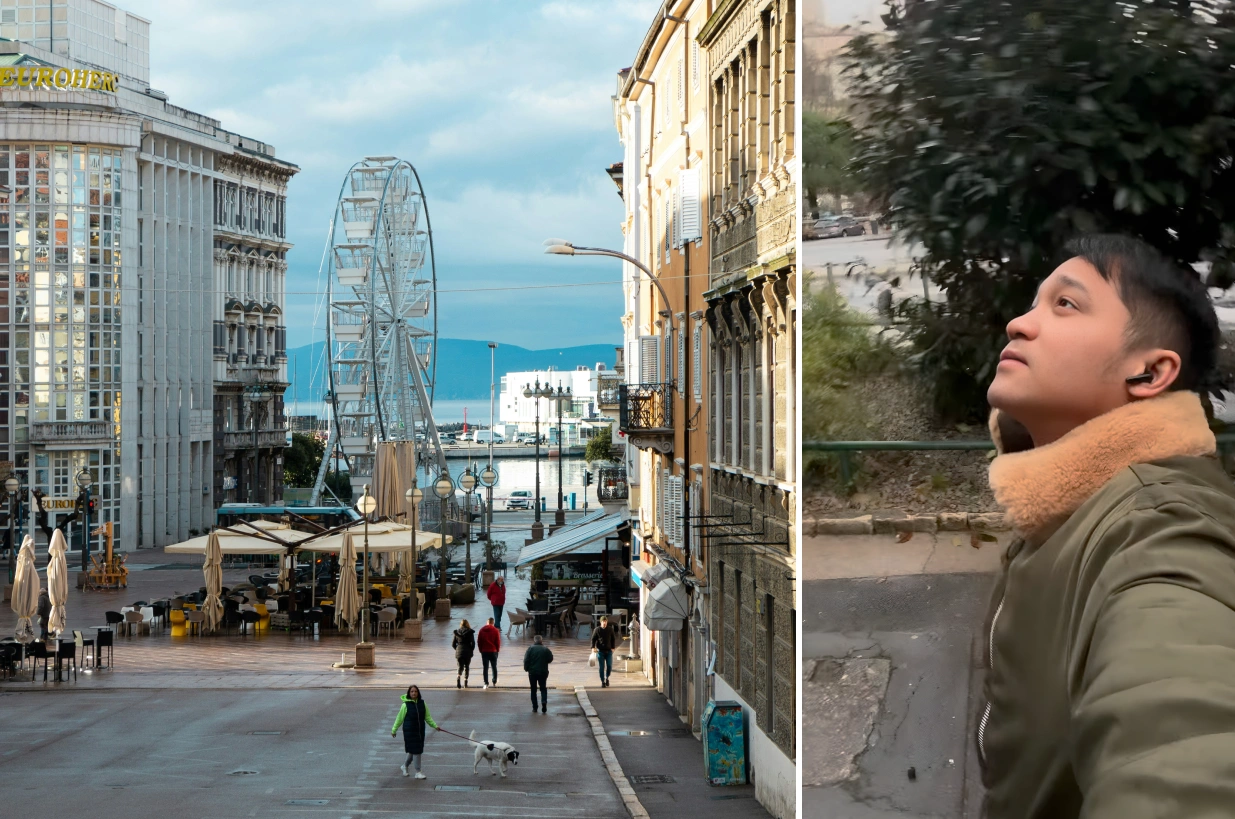
Photo: Instagram screenshot / @brook.lifeater
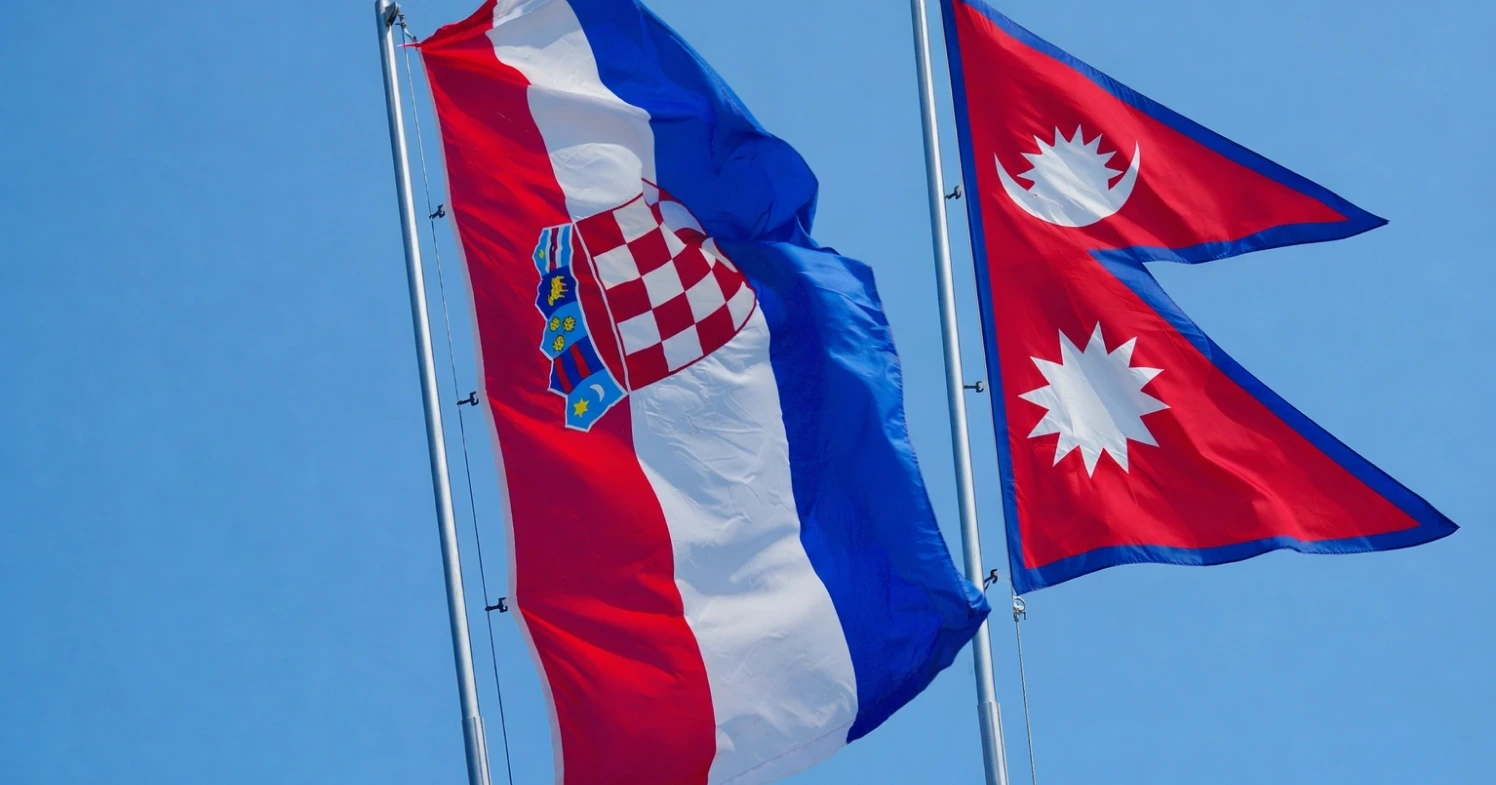
In recent years, Croatia has transformed from a country of emigrants into a state increasingly dependent on foreign labor.
As we increasingly encounter faces from distant Nepal, India, or the Philippines on the streets of our cities, we rarely have the opportunity to gain direct insight into their financial structure of survival.
Recently published data from a Filipino worker who documented his daily life in Rijeka documented on social media, more precisely on his Instagram profile @brook.lifeater, shed new light on the economic aspects of integrating foreign nationals into our system. His calculations show that life in the city that flows is very precisely balanced between necessary expenses and the desire to save.
The most significant expense in this worker's budget goes to housing, for which he sets aside around 300 euros per month. Given the current state of the real estate market in Rijeka, where rental prices are constantly rising, this amount suggests very modest accommodation. Although he does not mention roommates in the video, in professional circles this kind of price is often associated with smaller studio apartments on the outskirts or rooms in private houses. For the average citizen of Rijeka, this figure is a reminder of how difficult it is to find an adequate roof over one's head without setting aside half of the average income.
When it comes to food, the Filipino worker states that he spends between 150 and 200 euros per month on groceries. Simply put, this means that he has approximately 5 to 7 euros per day for all meals. At a time when the prices of basic groceries in stores often exceed European averages, this kind of consumer basket requires exceptional frugality. This probably implies preparing meals exclusively at home and avoiding any luxuries or ready-made dishes. This level of discipline is crucial for foreign workers whose ultimate goal is sending part of their earnings to their families back home.
In addition to basic living needs, the worker in the video also mentions fixed communication and transport costs. Internet costs him around 30 euros per month, which is a standard price for Croatian telecommunications operators, but also a necessary expense for maintaining contact with loved ones on the other side of the world. Public transport, which in Rijeka is specific due to the terrain configuration, costs him an additional 48 euros per month. This corresponds to the price of a monthly worker's pass, confirming that workers rely entirely on city infrastructure in order to keep living costs low.
The post sparked several comments reflecting different views of Croatian society on this phenomenon.
While one user praises the visual presentation of Rijeka in his videos, another user states in their comment that the mass immigration of workers prevents wage growth for the domestic population because companies prefer to hire foreigners for 800 euros rather than raise incomes for domestic workers.
Questions about integration also arise, such as the one posed by an Instagram user who is interested in whether the worker has to learn the Croatian language and whether there are organized programs for learning the basics of the language, known as A1 or A2 levels. These are beginner stages of learning that are crucial for basic communication in the workplace and in shops. On the other hand, users like 2025godina openly question whether staying in Croatia is worthwhile, stating that wages are low and costs too high.
The data presented by the Filipino worker show that the total fixed living costs in Rijeka for one frugal person in modest accommodation amount to around 600 euros. This leaves very little room for savings or social life, considering that starting salaries in service industries are often around the level of the Croatian minimum wage, which for a worker living in Rijeka and without special allowances or personal deductions amounts to around 800 euros net.
It is a well-known fact that Croatia has become part of the global labor market, but examples like this show that its competitiveness rests on a very thin line between sustainability and poverty.
In conclusion, while foreign workers like this Filipino bring new energy and solve the problem of labor shortages in Rijeka, their daily lives testify to a strict economic calculation. Rijeka proves to be a city that offers security and work, but at the same time demands sacrifices that are difficult for the average local resident to imagine. The question that remains in the air is not only how much these workers cost the system, but how much the system actually needs them in order to function at all in its current form.