

Croatia season
€1,300 Salary and a Private Room: What BiH Media Highlight as the Main Benefits of Working in Croatia
09.03.2026.
08/22/2025
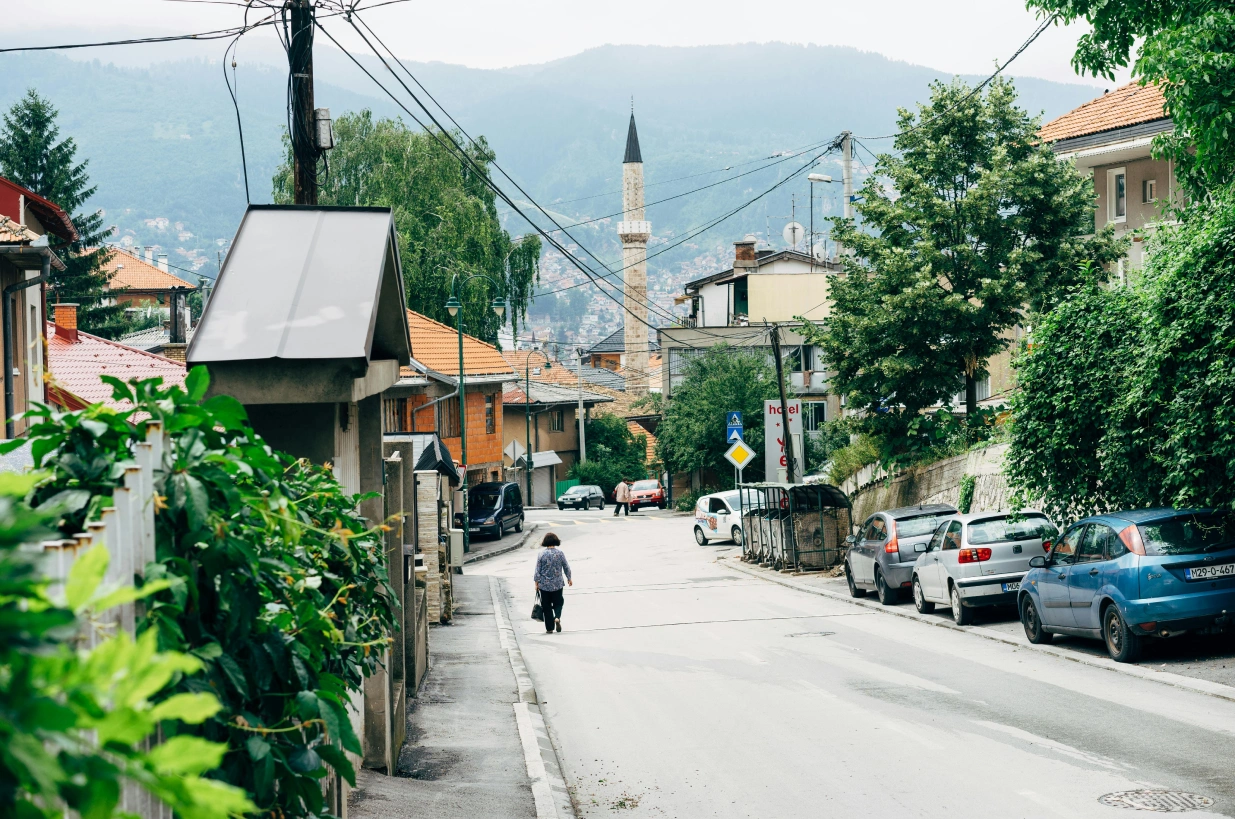
In Bosnia and Herzegovina, more precisely in the Federation of BiH, by the end of July 2025, just over 134 thousand active companies were registered, writes Biznis.ba. This is an increase of about three and a half thousand compared to last year, according to data from the Tax Administration of FBiH.
Along with the growth in the number of companies, supervision has also intensified. In the first seven months alone, almost four thousand inspection checks were carried out, which is as many as a thousand more than a year earlier.
The result of such controls reveals unpleasant figures, as hundreds of facilities without the necessary permits were found, more than 600 undeclared workers, and over a thousand companies that did not report their full turnover. Fines for all irregularities already amount to around 4.2 million convertible marks, and almost 400 facilities have been sealed.
When it comes to employment, around 545 thousand people are currently working in the Federation of BiH, which is a decline compared to the previous month. The most jobs were lost in education, the textile industry, agriculture, mining, and wholesale trade. On the other hand, employment has flourished in hospitality, retail, transport, tourism, and the IT sector, which clearly follows the trend also seen in Croatia.
The Tax Administration also records significant growth when it comes to fiscal devices. Currently, more than 108 thousand are installed, and in just one month turnover exceeding 6.4 billion KM was recorded. The highest number of fiscal cash registers is located in the Sarajevo municipality of Centar, while Ilidža achieved record turnover. The Tax Administration warns entrepreneurs to properly report turnover, because fines and closures of business premises are becoming an increasingly strict practice.
When looking at the sectors that are growing and those that are declining, the situation in BiH is almost mirrored compared to Croatia. Both markets are losing workforce in production activities, while tourism and the IT sector are the biggest winners. This trend has been shaping the entire region in recent years, where an increasing number of young people are entering digital jobs that allow remote work.
A major challenge is also the departure of people from BiH abroad, where salaries are significantly higher. This phenomenon further weakens sectors such as healthcare, education, and agriculture, because that is precisely where skilled labor is most lacking. Croatia has been facing the same problem for years, so the exchange of labor between the two countries is becoming increasingly common.
Tourism in BiH is recording serious growth, mainly thanks to Sarajevo, Mostar, but also natural attractions such as mountain tourism on Bjelašnica or the Olympic slopes on Jahorina. This development brings new jobs, and Croatia, as a tourism powerhouse, can serve as a model example of what happens when tourism grows into a key economic engine.
Bosnia and Herzegovina has been investing more and more in the IT industry in recent years. There is a growing number of start-ups and companies offering services to international clients, and many experts work remote jobs for the EU and the USA. This is an opportunity for the whole region, because the digital economy can neutralize the problem of physical borders and the small size of the domestic market.
Although it is recording growth in fiscal devices, BiH still has a high share of cash payments. This means that a large part of transactions is still carried out in cash, while card payments and digital wallets are on the rise but lag behind the standards in Croatia or Slovenia. This gap shows that the financial transformation is taking place, but at a slower pace.