




Croatia Slovenia
Salaries in Austria Are Twice as High, and in Luxembourg Four Times Higher Than in Croatia
18.11.2025.
04/07/2026

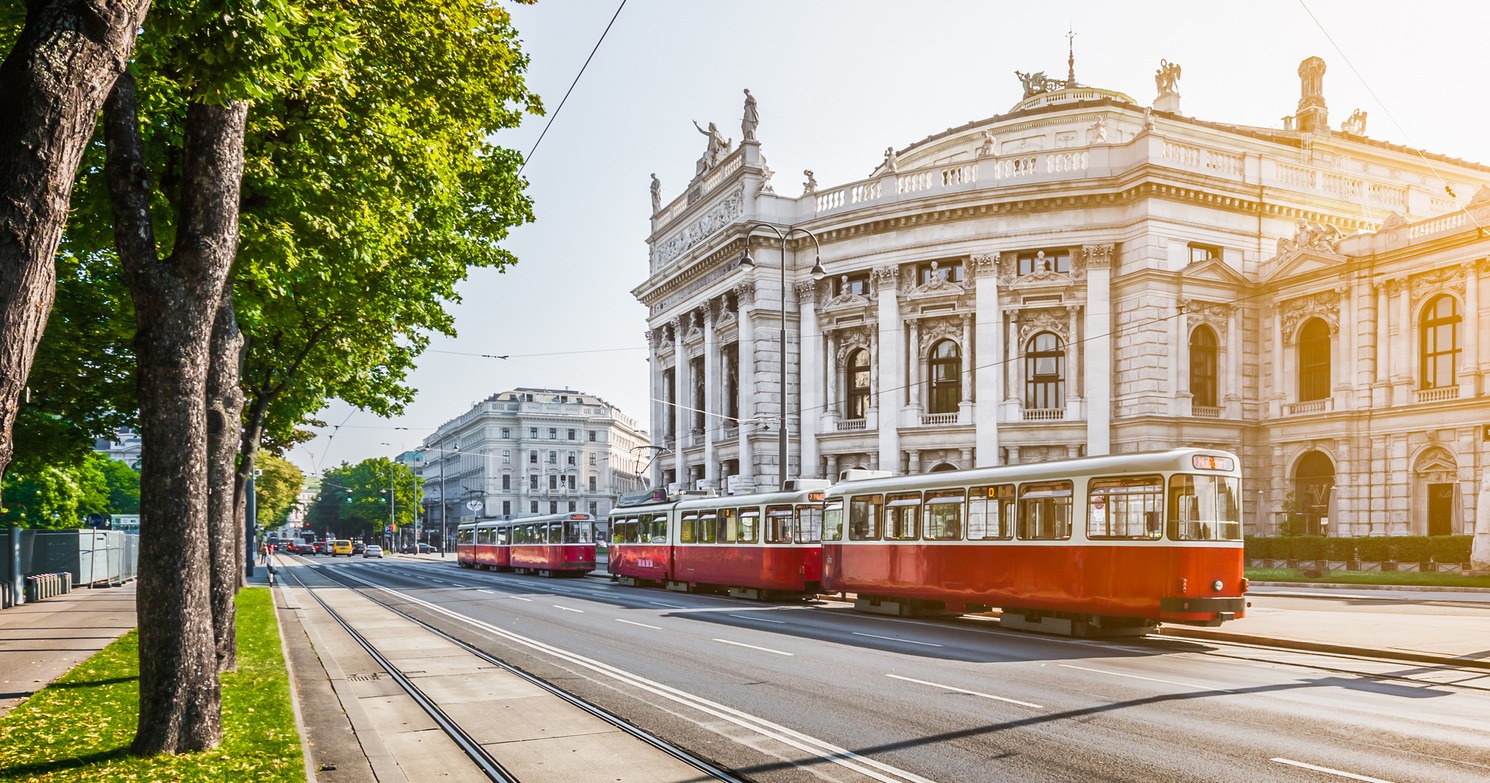
The conflict in the Middle East has begun to seriously erode Austria's tourism sector, and the capital Vienna has found itself at the center of unexpected market changes.
As reported by the Austrian newspaper Heute, local hoteliers are facing a dramatic wave of booking cancellations, while the guest structure is changing literally overnight. Although the city continues to attract visitors, the financial impact is significantly weaker because the world's biggest-spending travelers are avoiding the region.
The situation in Vienna's hotels is taking on the proportions of a serious crisis, as confirmed by concrete figures from the sector. Sonja Wimmer, owner and director of the well-known hotel The Harmonie Vienna, points out that the number of guests from the Arab world has fallen by as much as 80%. A similar negative trend is also being recorded in the Israeli market, where the decline also exceeds 80%, while guests from Asian countries have almost completely disappeared from the reservation lists.
Representatives of the Vienna hotel association are not hiding their concern and openly speak of an extreme wave of cancellations. The association's president at the national level, Alexander Ipp, emphasizes that travel has not only become expensive, but above all unsafe. According to his estimates, the overall drop in the number of guests from regions directly affected by the crisis ranges between 15 and 20%, which represents a significant blow to planned revenues.
The statistics are relentless and show why the drop in the number of guests from the Middle East is so painful for the Austrian economy. The average tourist from the United Arab Emirates spends around 530 euros per day in Vienna. On the other hand, domestic guests from Austria or visitors from neighboring European countries spend significantly less, with an average of only 179 euros per day. In other words, three times more European guests are needed to make up for the absence of just one guest from the Arabian Peninsula.
In addition to the fear of the conflict itself, a key factor in the current crisis is disruptions in air traffic. Peter Hauptmann, branch manager of the Kuoni travel agency, explains that almost all long-haul destinations have been affected. The problem is not only in the final travel destination, but in the fact that popular routes to the Maldives or Thailand often go through Dubai or other Middle Eastern hubs.
Many residents of Vienna are therefore massively changing their plans and seeking exclusively western destinations, avoiding flights over crisis areas. Uncertainty about the stability of air corridors directly affects package sales, creating additional pressure on agencies that must find alternative routes in an already tense flight schedule.
These events once again confirm how fragile modern tourism is and how susceptible it is to geopolitical shocks. Although Vienna remains attractive with its cultural offerings and safety, it cannot remain immune to global upheavals that dictate the movement of capital and people. In the coming period, hoteliers will have to adapt to a new reality in which the quantity of guests does not necessarily mean financial stability. Until the situation in the Middle East calms down, the Austrian metropolis will probably have to rely on the more modest spending of European neighbors, while luxury apartments will wait for the return of guests from the East who for years formed the backbone of Vienna's elite tourism.