




Miro Bulj kuna
Miro Bulj Says: "Bring Back the Croatian Kuna"
08.09.2025.
11/03/2025
Since the beginning of 2024, one important transitional period that accompanied the introduction of the euro as the official currency has ended in Croatia.
Namely, as of 1 January 2024, banks, post offices, and Fina no longer provide the service of exchanging cash kuna for cash euros. This ended the phase in which Croatian citizens could simply exchange old kuna for euros at the counters of financial institutions in their cities and towns without any additional procedures.
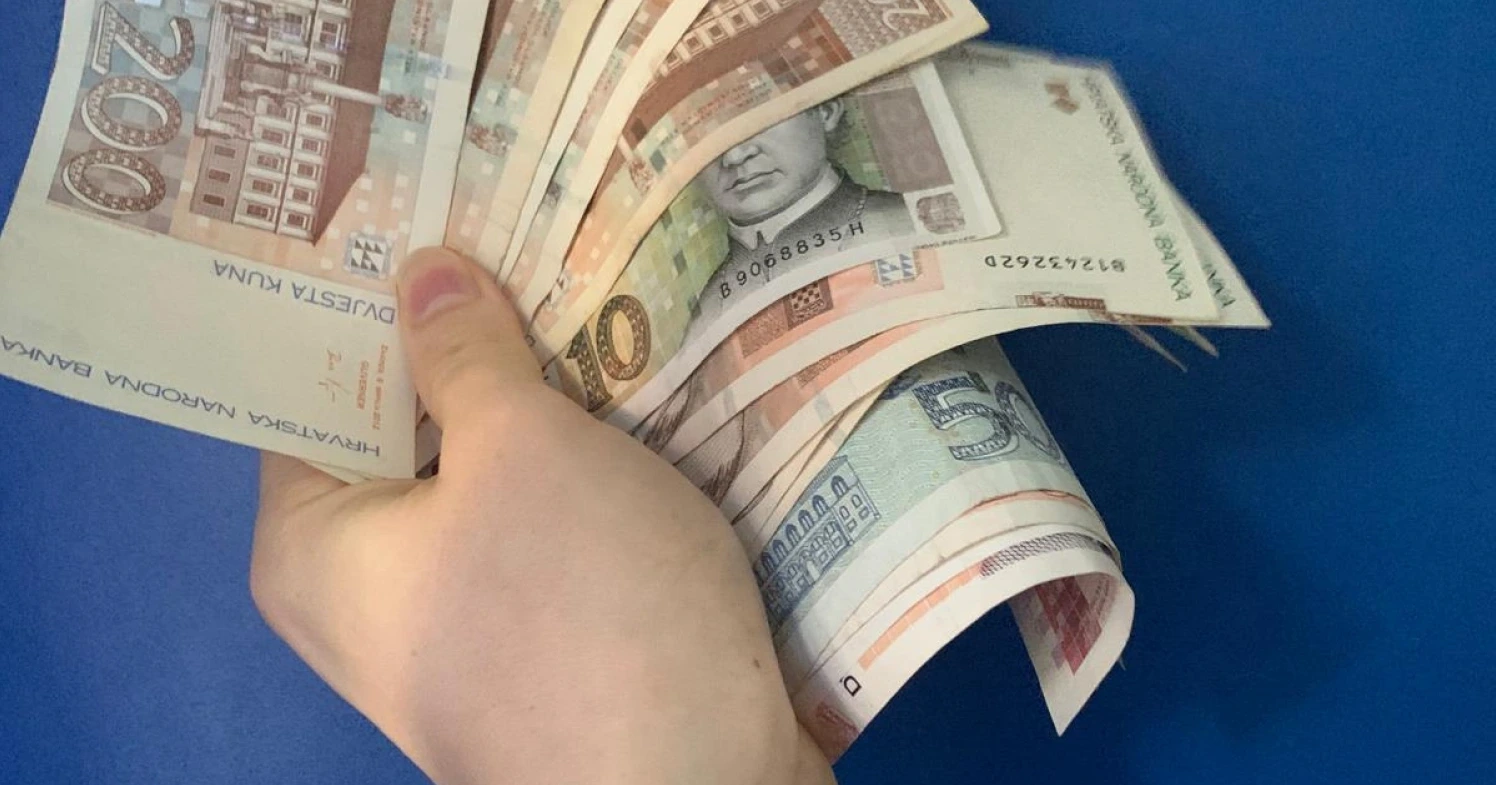
From that date onward, the only place in Croatia where kuna can still be exchanged for euros is the Croatian National Bank. Croatian citizens can exchange their kuna banknotes for euro cash there without any fee and without any limit on the amount. Therefore, anyone who still has paper banknotes in the old Croatian currency can bring them to the HNB and exchange them, regardless of the amount. The exchange is carried out at the official and fixed conversion rate of 1 euro for 7.53450 kuna, and the same rate applies to all citizens, regardless of how much money they are exchanging.
It is important to emphasize that this option for kuna banknotes in Croatia has no time limit. The Croatian National Bank will accept and exchange them permanently, which means that citizens do not have to worry about a deadline or whether they will lose the value of their old banknotes. In other words, even if they find them many years later, they will still be able to exchange them.
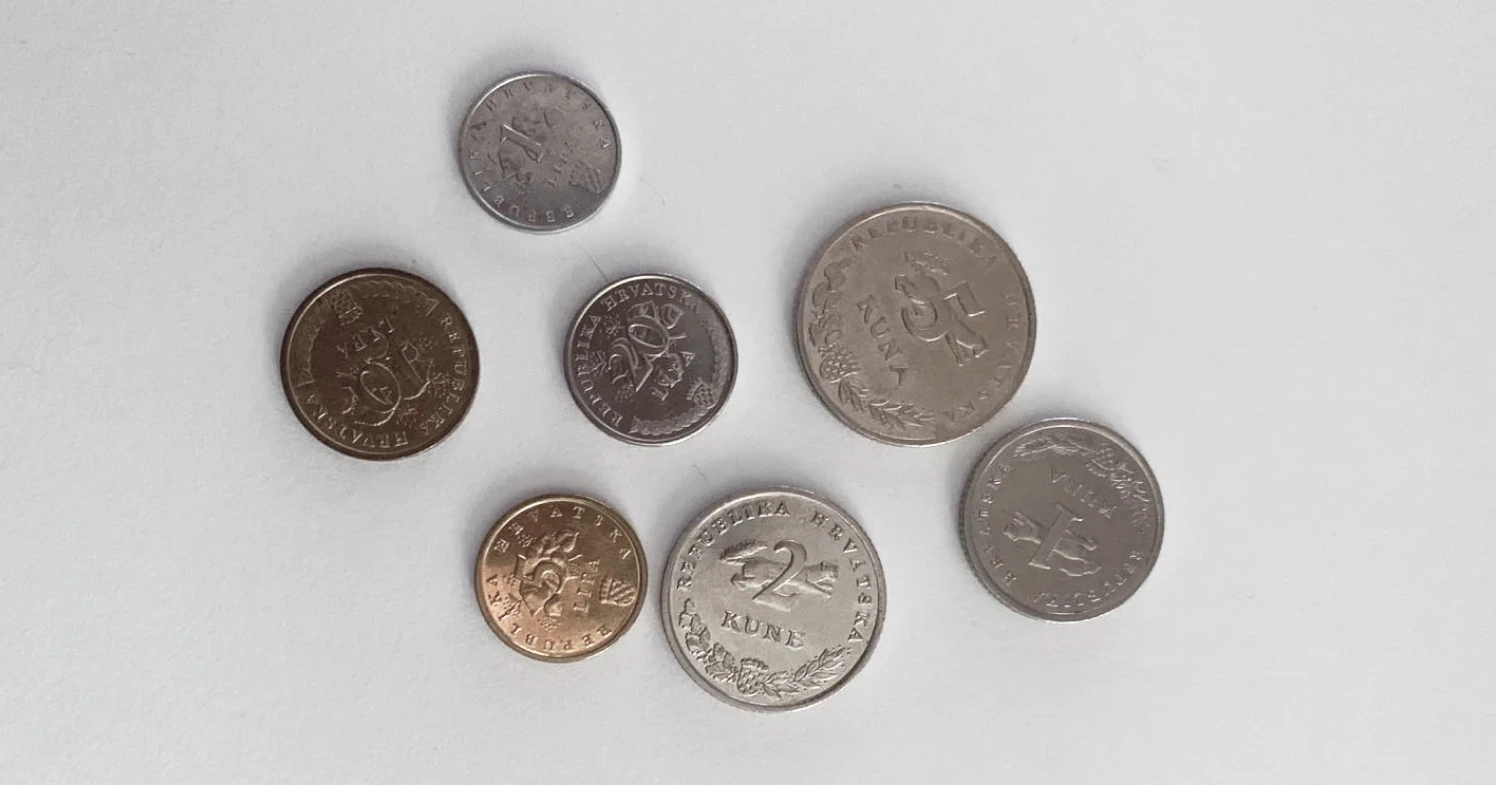
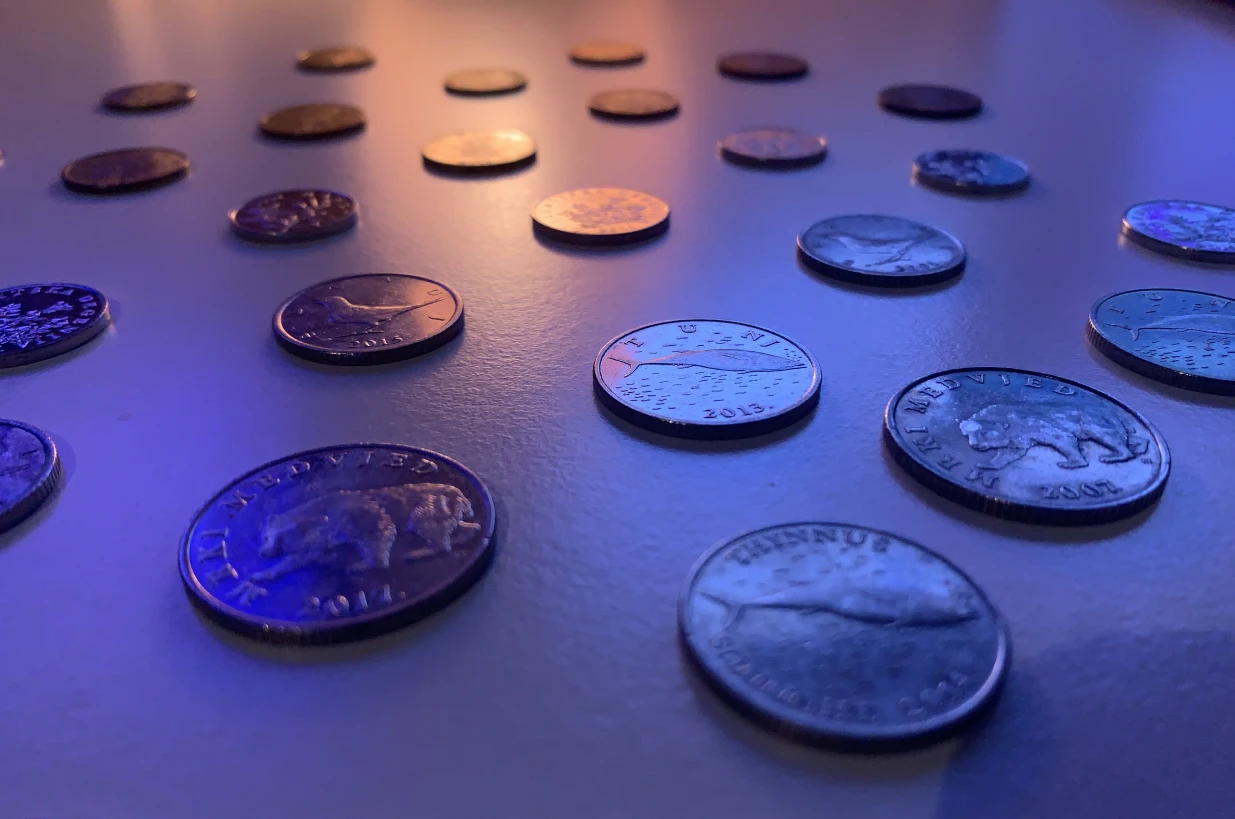
The situation with kuna coins is, however, different. Unlike banknotes, kuna coins can be exchanged only for a limited time, specifically three years from the day the euro was introduced as the official currency in Croatia. The deadline for their exchange expires on 31 December 2025. After that date, kuna coins will no longer be exchangeable, so Croatian citizens who still keep them at home, in drawers, wallets, or piggy banks should visit the Croatian National Bank in time to exchange them for euros.
Citizens who wish to carry out the exchange by mail can do so, but under certain conditions. The Croatian National Bank allows up to 15,000 kuna, or more precisely up to 14,999.99 kuna, to be sent via postal services, and this is done at the sender’s own responsibility. If an amount equal to or greater than 15,000 kuna is sent, the HNB will not exchange it, but will retain it until the sender arrives in person. When sending by mail, it is necessary to include personal data: first and last name or the name of the legal entity, address, telephone number, and email address, and to state whether the exchanged money is to be collected in person at the HNB premises or delivered by mail to the sender’s address. The Croatian National Bank accepts only authentic banknotes that are preserved, without damage or discoloration, and whole coins that can be clearly recognized on both sides.
It is also important to note that there is no possibility of exchanging kuna by payment into a bank account. The exchange is carried out exclusively in cash, which means that after the shipment is processed, the euros are also delivered by mail. Upon receiving the kuna, the Croatian National Bank processes the money very quickly and prepares the euros for dispatch, so the duration of the entire procedure depends mostly on the speed of postal services.
If a larger amount of cash is intended to be brought to the Croatian National Bank, specifically 40,000 kuna or more, or more than one thousand coins, it is necessary to announce the arrival in advance. The announcement is made via the email address gotov.novac@hnb.hr, and the purpose of the announcement is to ensure that the exchange process proceeds properly, quickly, and safely.
The introduction of the euro in Croatia was one of the biggest monetary steps in the country’s recent history, and the cash exchange process lasted almost two years. During that period, citizens had several options and enough time to exchange their kuna in everyday banking operations, at Fina branches, and at post office counters. With the closing of that chapter, Croatia fully switched to the euro, thereby permanently sending the kuna, which had been a symbol of Croatian monetary identity for more than thirty years, into history.
Croatian citizens who still keep cash in kuna should now contact exclusively the Croatian National Bank, the only institution in the country that has the authority and obligation to permanently exchange kuna. In this way, Croatia has taken the final step in full integration into the eurozone, while the kuna, once an everyday symbol of payment, savings, and trade, is gradually being withdrawn from use and passing into the history of Croatian money.