






Germany waitressing
Waitress in Germany Earning €4,000 Net Sparks Heated Debate: 'More Than Many Highly Educated Workers'
24.11.2025.
11/06/2025
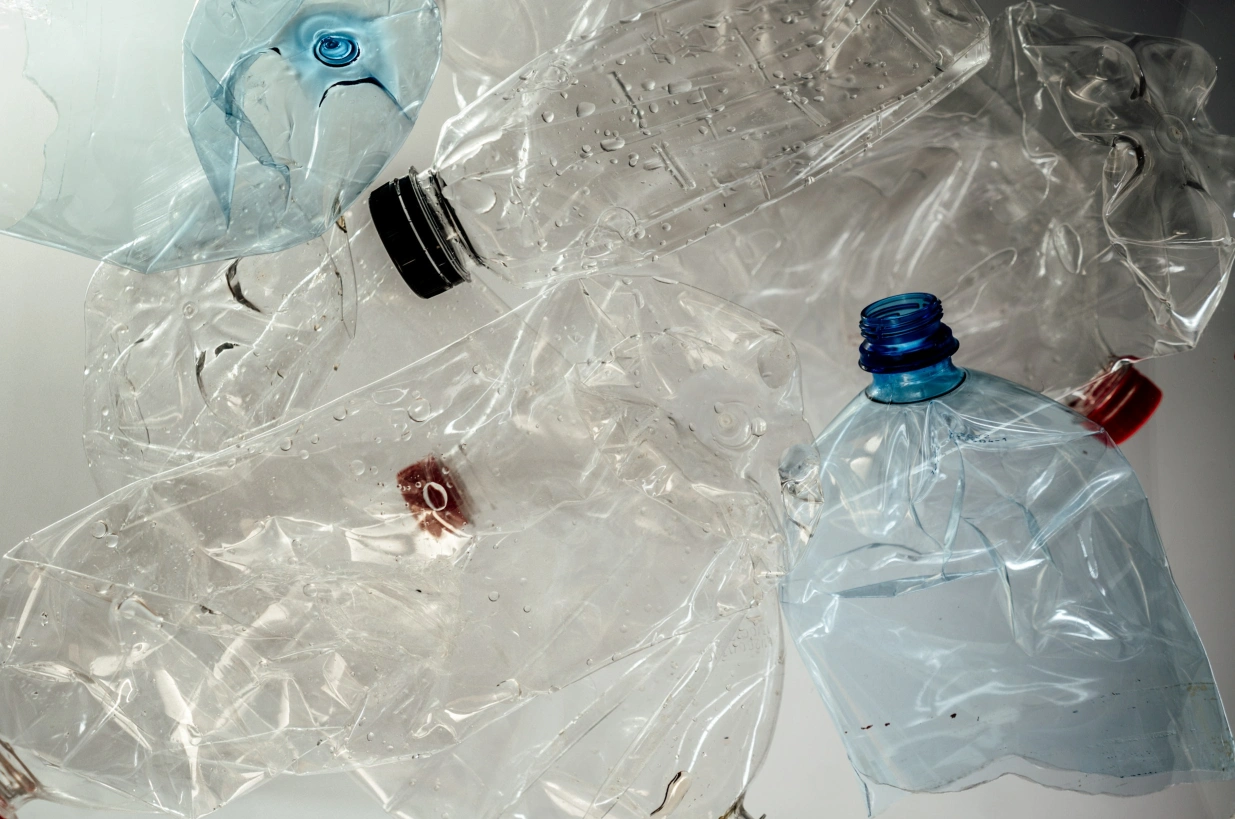
The story of 24-year-old Alex Müller from Dresden, who earned 4,325.79 euros in eleven months just by collecting bottles and cans and thus paid for his driving test, attracted great attention in Germany.
Many wondered whether such earnings are even allowed without additional obligations and whether the tax authorities can react if bottles are collected in larger quantities. As Fenix Magazin writes, collecting packaging every day may at first glance seem harmless, but tax rules clearly determine the moment when this kind of activity enters the taxable zone, even if it is not a registered activity.
The German Taxpayers' Association explains that occasionally putting a few bottles into a machine is not a problem, but if collecting turns into regular earnings that exceed 256 euros in a year, then the income must be reported. Since the refund for one returnable bottle is about 0.08 euros, the threshold of 256 euros is exceeded after approximately 3,200 bottles per year. For single-use bottles and cans with a 0.25 euro refund, the limit is reached with about 1,025 items. At that point, the tax authorities may treat the income as other income or even as self-employment, which means that the person becomes a taxpayer and must properly report the income.
The annual limit of 256 euros applies to everyone who already has their main job and exceeds the annual personal allowance. The situation is different for those for whom collecting bottles is the only source of income, because then they would have to collect more than 151 thousand bottles per year to exceed the general tax-free limit in Germany, which amounts to 12,096 euros. Alex Müller, who already works full-time as a lathe mechanic, is aware that he exceeds the tax threshold and therefore keeps proper records of the bottles collected and the additional income he earns. In addition to collecting bottles, Alex also earns through social media and has opened a trade business, so part of his income is also recorded as business income. Profit tax is paid only after exceeding 24,500 euros in annual earnings.
The rules also differ for those who receive benefits. Unemployed persons receiving Arbeitslosengeld I can keep part of their income from bottles, but if earnings exceed about 165 euros per month, the benefit is reduced. Recipients of Bürgergeld social assistance have even stricter limits because an additional amount of about 100 euros per month is allowed, which corresponds to approximately 1,250 bottles, and anything above that can lead to a reduction in assistance. Pensioners are also considered taxpayers, so the general annual allowance applies to them, along with the additional rule that any extra income above 256 euros must be reported.
Experts point out that in practice the tax authorities have no way to precisely check how many bottles someone actually collects, but that does not change the fact that the legal obligation is clearly prescribed. Anyone who collects bottles occasionally and earns modestly has no reason to worry, but anyone who turns collecting into regular earnings must be aware that tax rules apply in the same way as to any other activity.