




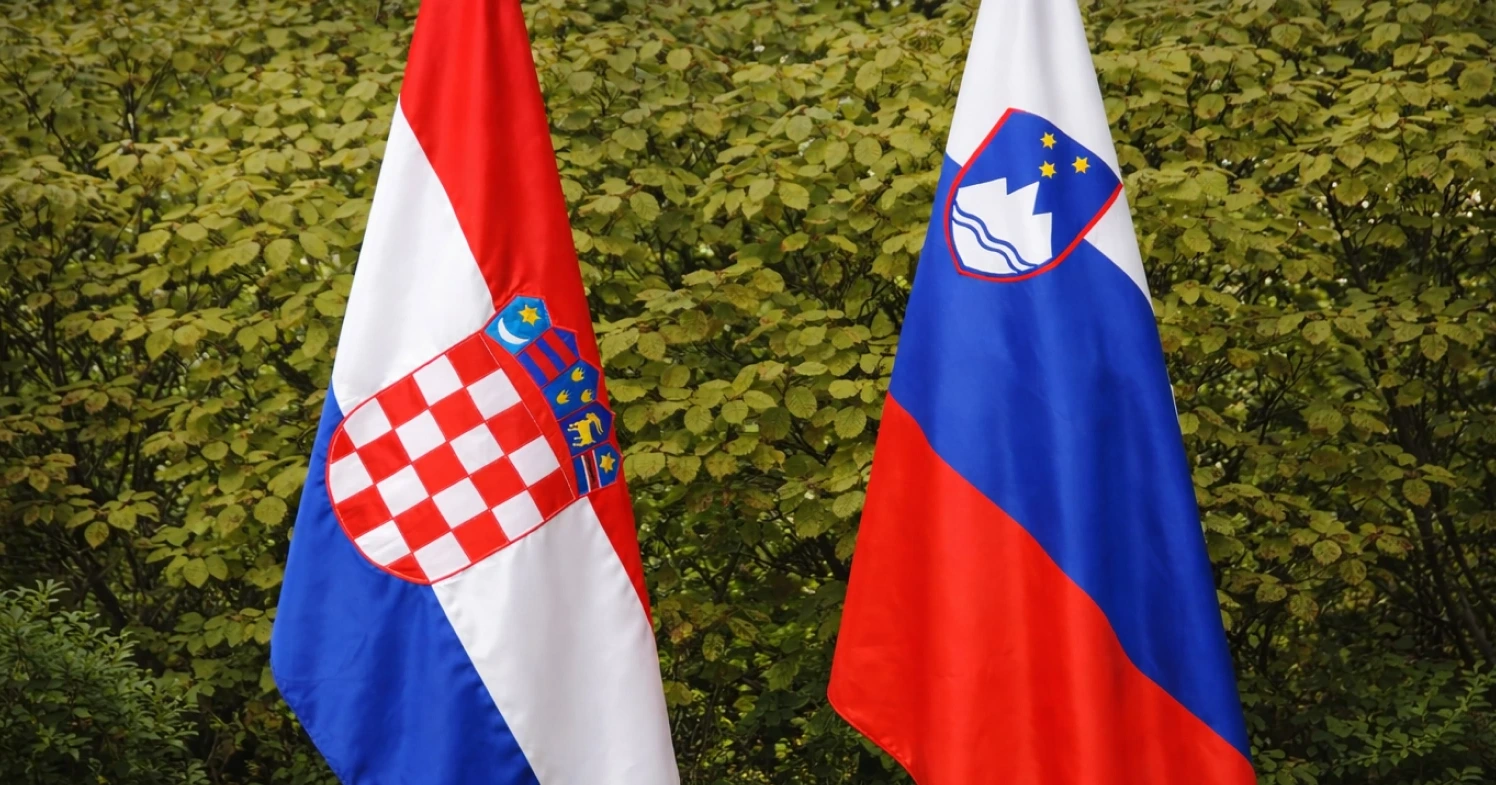
Slovenia Croatia
Is Croatia Richer Than Slovenia? Slovenian Government Data Says Otherwise
19.02.2026.
01/23/2026
Public discussions about the standard of living in Croatia often move between two extremes. On the one hand are claims that we are 'at the very bottom of Europe', while on the other hand we are told that 'we have never lived better'.
A look at average net wages in Croatia and its surroundings reveals that reality, as usual, lies somewhere in the middle, but with very clear contours.
Croatia today stands significantly above most of southeastern Europe, but at the same time lags significantly behind the countries that form the core of the European labor market, primarily Germany and Austria. It is precisely this dual position, marked by regional advantage and western lag, that determines the real position of the Croatian worker.
With an average net wage of around 1,498 euros, Croatia clearly stands out compared to the countries of the western Balkans.
Compared with Albania, where the average net wage is around 640 euros, the Croatian worker receives almost 2.5 times more. A similar ratio also applies to Kosovo where the net average is around 580 euros.
Compared with Bosnia and Herzegovina at around 800 euros, the Croatian average is almost twice as high.
Although Montenegro fares better than much of southeastern Europe, the Croatian worker earns on average around 450 euros more per month than the Montenegrin worker, whose average wage is around 1,050 euros.
On an annual basis, that is a difference of more than 5,000 euros, which for the average household means additional savings, better housing, or a real opportunity for investment.
Compared with Serbia, where the net average is around 945 euros, the difference is more than 550 euros per month, clearly positioning Croatia as a country in a higher wage bracket within the regional framework. In other words, claims that Croatia is economically on the same level as the rest of the Balkans are no longer true.
When we shift the focus to central Europe, the picture becomes more complex. Croatia is now noticeably ahead of Hungary, where the average net wage amounts to around 1,260 euros. This means that the Croatian worker has about 240 euros more per month on average, dispelling the long-standing myth that Hungary automatically means a higher standard.
On the other hand, Slovenia with an average of around 1,627 euros still leads, but that advantage is no longer dramatic. The difference between Croatian and Slovenian wages today is less than 130 euros, which historically is the smallest gap between the two countries.
This shows that Croatia, at least nominally, has moved closer to the central European circle. Italy, with an average of around 2,017 euros, remains visibly above Croatia even though it is often perceived as a country with long-term economic difficulties. Even such an Italy offers the Croatian worker an average net wage more than 500 euros higher.
All previous comparisons fall into the background when Germany and Austria enter the picture, countries that have for decades been the main destination for Croatian workers. The average net wage in Germany amounts to around 3,050 euros, which is more than double the Croatian average. Austria is also far ahead with around 2,711 euros .
Here we are no longer talking about nuances or gradual catching up, but about a structural gap. After paying basic living costs, the German or Austrian worker has on average a multiple of the amount available for savings or solving housing issues. It is precisely this surplus, and not just the nominal wage, that is the key difference between the periphery and the European core.
A particularly frustrating fact for the citizens of Croatia is that despite significantly lower wages, prices in stores are often not lower. They are often the same or even higher than in countries with a high standard of living. Food, hygiene products, and basic necessities in Croatia often cost about the same as in Austria or Germany, even though wages there are 80 to 100% higher. This means that the Croatian worker spends a significantly larger share of their wage on the same basket of goods, which in practice cancels out part of the advantage that statistics show compared with lower-paid neighbors.
Simply put, Croatia is no longer a poor country in the region, but it is still not a country of western European standards. The Croatian worker today lives significantly better than most residents of southeastern Europe, but still noticeably worse than workers in Germany and Austria, often with the same or higher prices for basic products.
Croatia today is in an awkward but very real position. In the regional context it is a winner, while in the European context it is still a challenger. This explains why it is possible to talk simultaneously about wage growth and a feeling of stagnation. As long as the gap with Germany and Austria is almost double, pressure on the labor market, emigration, and dissatisfaction with prices will not stop. Croatia has made a major leap forward, but the final road toward western standards is proving to be the hardest task.
We must be aware that the average net wage, although it serves as a useful guidepost, often does not reflect the reality in which a large number of citizens live. Both high and low incomes are included in the average, which means that the same figure contains both people on minimum wage and those few with extremely high salaries.
Imagine that ten employees receive around 1,000 euros net, while one director earns 12,000 euros net. Their overall average is 2,000 euros. Statistically speaking, the average will jump, but the daily lives of those ten people will remain exactly the same.
That is why the average citizen often feels that news about wage growth does not affect them at all. This is precisely where the reason lies for why differences in standards within the country itself are so pronounced, whether by region or by sector, because one dry figure cannot reveal the whole truth.
Sources of average wages: DZS, Monstat, Handel Blate, Wikipedia, statistik.at, KSH, stat.si, RZS
*Notes: For countries that do not pay wages in euros, the amounts have been converted into euros for easier orientation, according to the daily exchange rate at the time of writing this article. Given the administrative differences within Bosnia and Herzegovina between the Federation of BiH and Republika Srpska, approximate averages for that country were taken into account. Germany does not officially publish an average net wage, so an approximate figure published by handelsblatt.de was used. Italian ISTAT does not publish a standardized average net wage, so the figure was taken from Wikipedia.