


Slovenia minimum wage
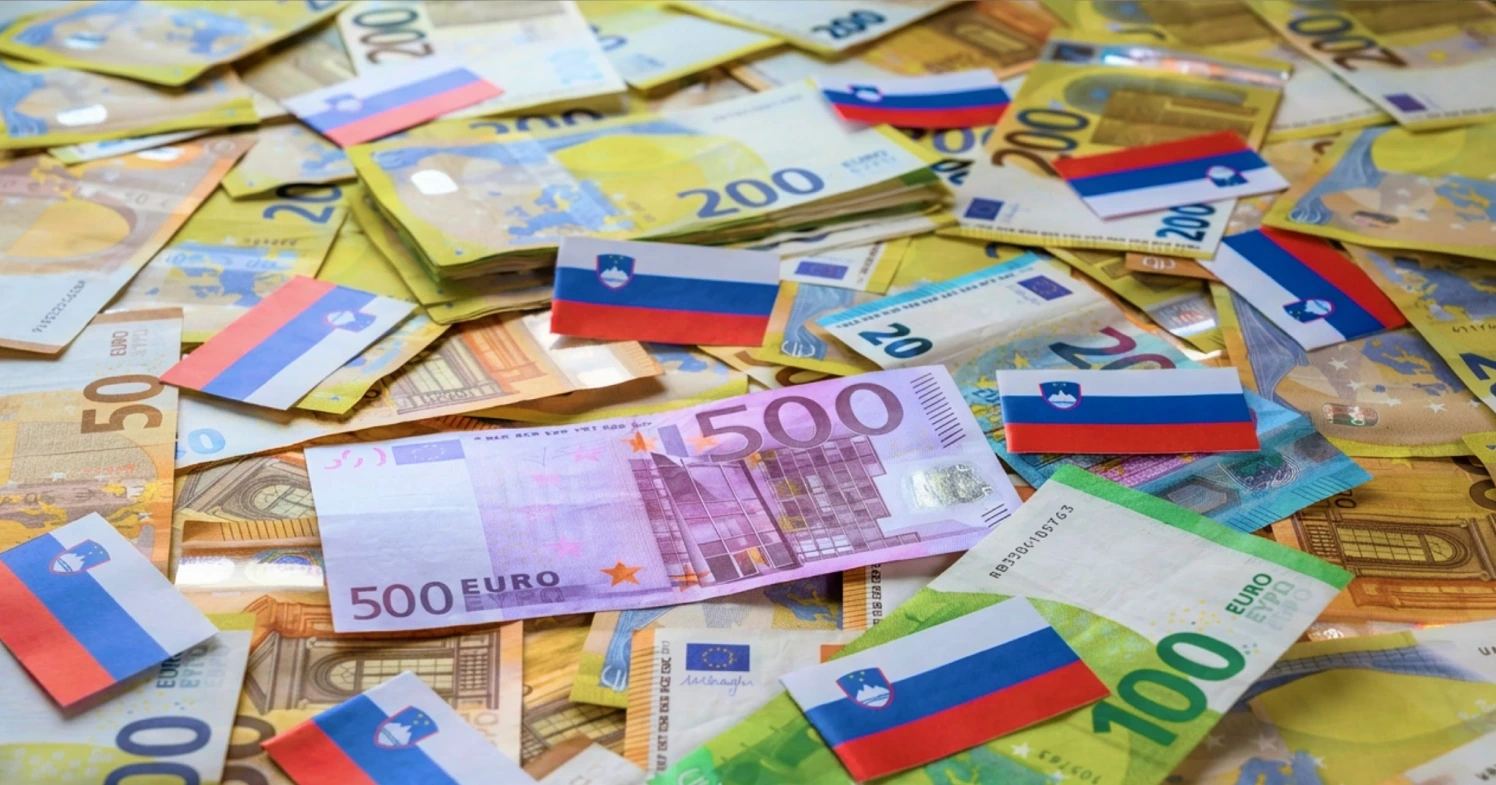
Official: Slovenia Raises Minimum Wage to Around €1,000 Net
28.01.2026.
02/09/2026
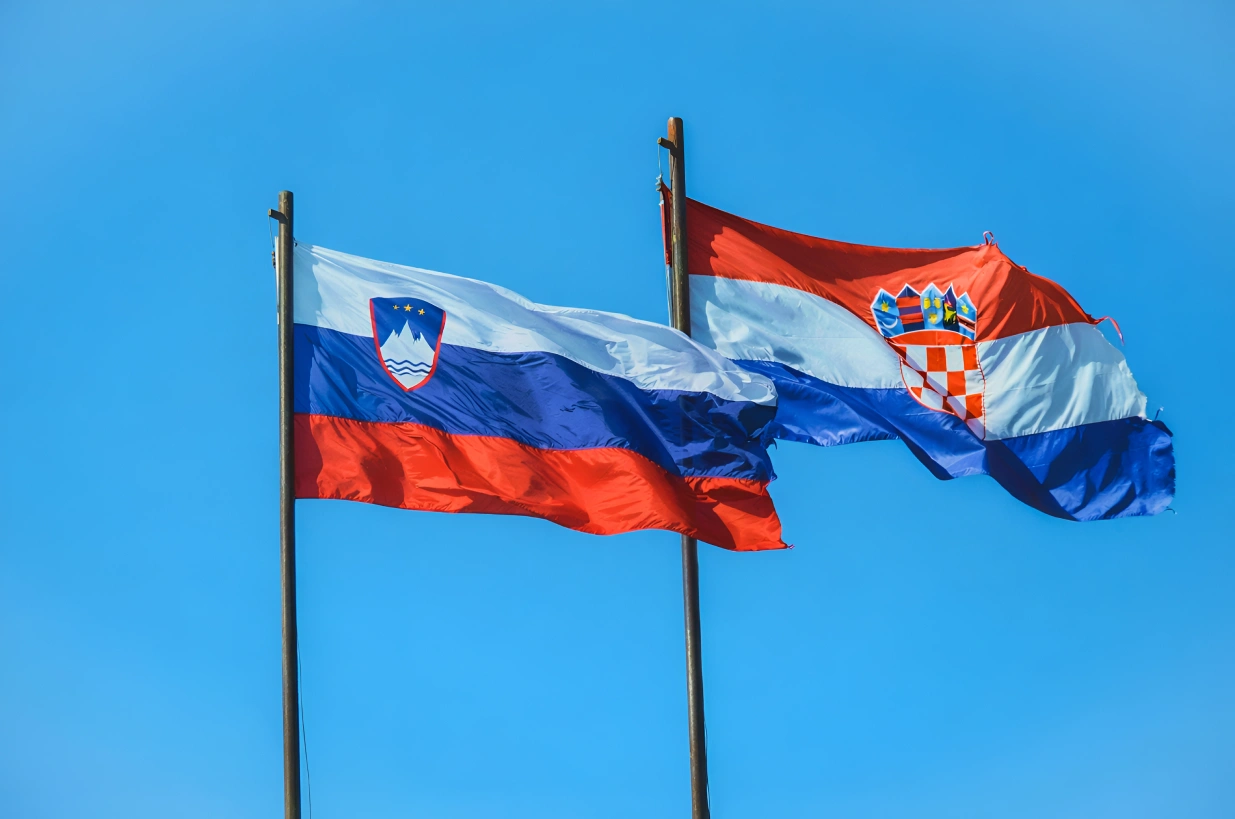
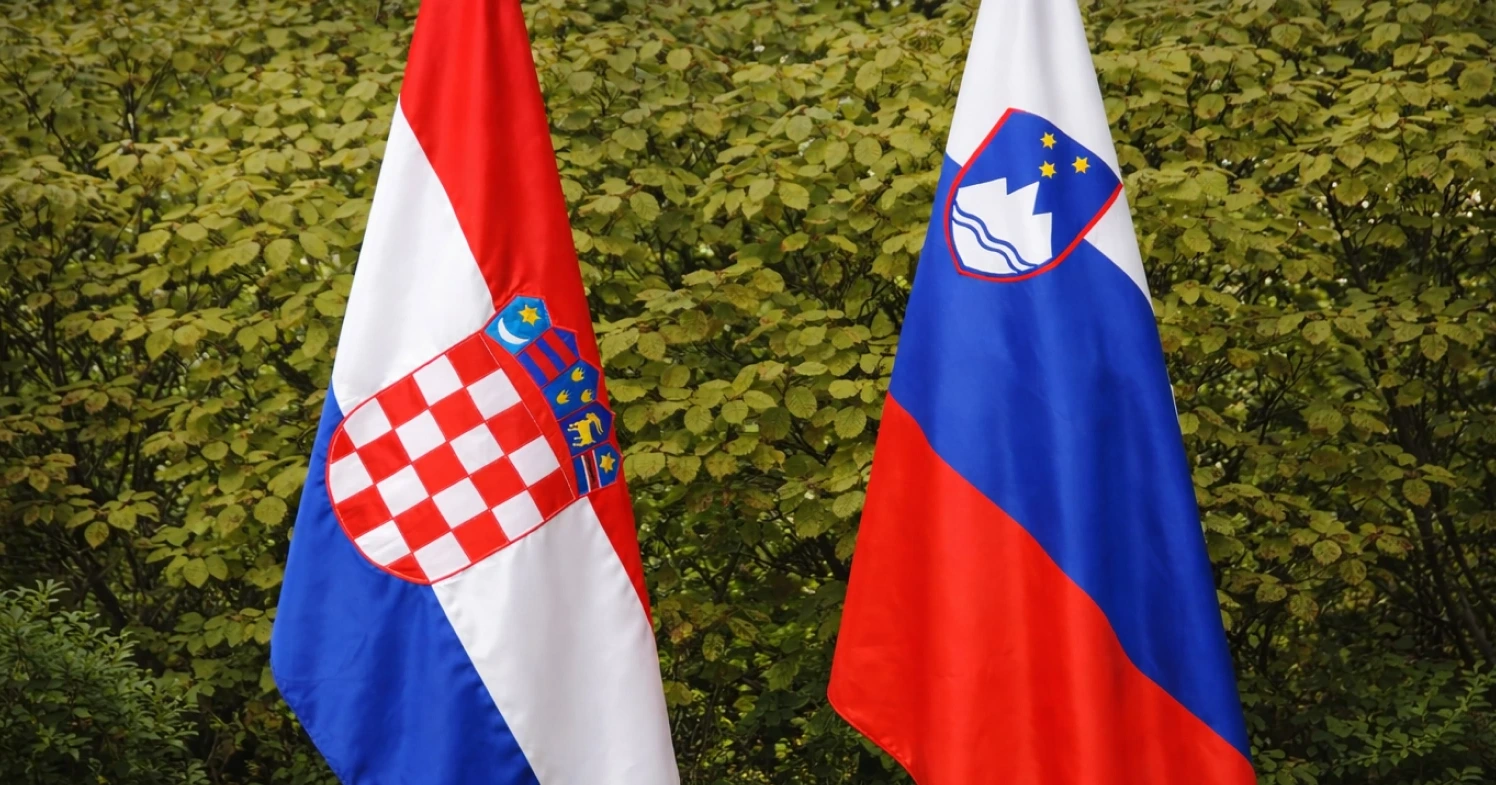
For years, the economic border between Croatia and Slovenia was clearly defined by a significant difference in income and overall standard of living.
However, the latest analyses and wage trend data suggest that this gap is narrowing rapidly. While Slovenia still maintains an advantage in nominal amounts, a deeper analysis of living costs and tax burdens reveals a picture in which Croatia shows admirable resilience and progress in certain segments.
Slovenian economist Matej Lahovnik recently made an observation that drew public attention on both sides of the border, pointing out that one could conclude that in terms of pure purchasing power, Croatia has already caught up with, and even surpassed, its neighboring country.
When we talk about economic success, we often focus on gross amounts, but for the average citizen, the only thing that matters is what experts call purchasing power. As the Slovenian portal 24ur.com writes, this is precisely the point at which Slovenia’s advantage has melted the most. Purchasing power is actually a simple calculation that shows how many actual groceries, utilities, or services you can pay for with what remains in your account after all payments to the state.
Matej Lahovnik warns that net wages in Slovenia are only slightly higher than those in Croatia, and the main reason for this is the high tax burden on labor. According to him, calls for a general wage increase in Slovenia are expected because net incomes have become very similar to Croatian ones, primarily due to high payments to the Slovenian state. For comparison, while the difference in the average gross wage at the end of last year amounted to around 500 euros, the difference in the net amount that a worker actually receives was only 128 euros.
A look into the near future is particularly interesting, specifically into the year 2026, for which certain minimum income thresholds have already been defined. In Croatia, the minimum gross wage will amount to 1,050 euros, which in net terms should be around 800 euros, depending on specific tax and allowance calculations. On the other hand, the Slovenian minimum wage is set at 1,481.88 euros gross, but due to their taxation system, the worker receives only around 1,000 euros net.
Slovenian minister Luka Mesec pointed out that the goal of such an increase is to ensure workers incomes that are above the at-risk-of-poverty threshold.
However, high payments in Slovenia lead to a phenomenon that economists call leveling. This means that the difference between someone doing the simplest jobs and someone with high qualifications and great responsibility is dangerously shrinking, because the state takes a larger share through taxes from those who earn more. In that specific segment, the Croatian taxation model currently seems more favorable for the growth of net income.
The situation in Slovenia has been further complicated by faster wage growth in the public sector compared to the private sector. Data show that last year the wages of those working for the state grew twice as fast as those in private companies. Lahovnik criticizes this trend, emphasizing that Slovenia has record public spending and a very low rate of economic growth, along with inflation that is higher than the eurozone average.
Trade unions in Slovenia, led by Andrej Zorko, believe that the state should ease the burden on labor through lower taxes, but that this money must be compensated for by taxing capital. On the other hand, business leaders warn that further insistence on high labor costs could drive away investors. As many as 52 percent of Austrian investors in Slovenia believe that the economic climate has worsened, which is a clear signal that high operating costs are taking their toll.
Although it would be exaggerated to claim that Croatia has completely taken over the economic lead, it is an undeniable fact that in certain segments, such as the tax burden on labor and the dynamics of net income growth, Croatia is positioning itself as a very competitive player.