





truck drivers Germany
Germany Short Over 100,000 Truck Drivers: No Solution in Sight
09.01.2026.
01/27/2026
Germany has been facing a serious labor shortage for years, but the reasons for this problem are often oversimplified.
In public discourse, low wages and poor working conditions are most often mentioned, but German media point to a different and far more uncomfortable paradox. There are professions that offer above-average, and even very high salaries, yet there are almost no interested workers for them, writes Fenix Magazin. These are jobs that are stable, in long-term demand, and financially rewarding, but they carry physical, psychological, or social burdens that many are not willing to accept.
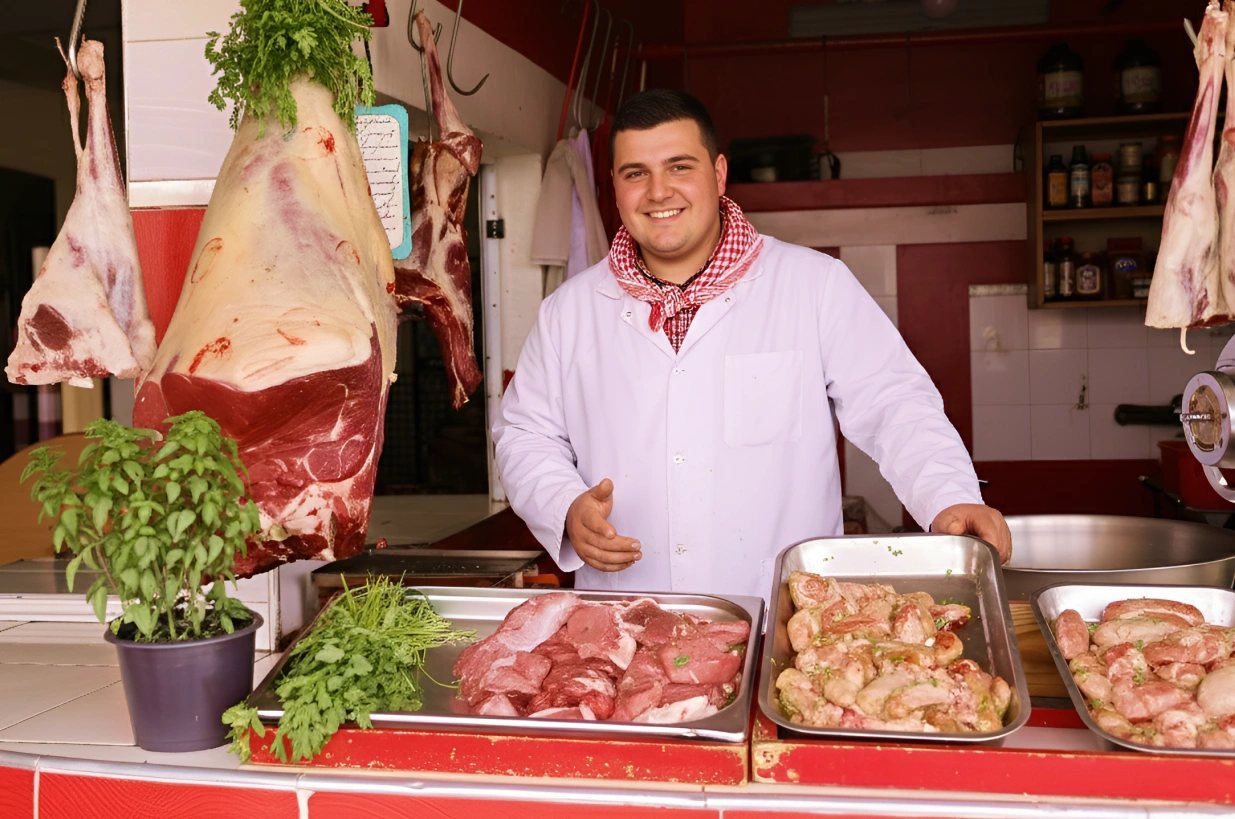
The profession of butcher in Germany is currently in short supply, although financially it is by no means insignificant. The annual gross salary in this trade can reach around 49,400 euros, which is above the average of many other skilled trades.
Despite this, interest in the job is declining. The problem is not only working with meat. A butcher’s workday often takes place in rooms with temperatures between 2°C and 7°C, with constant humidity, which puts long-term strain on joints and health. Added to this are antisocial working hours. In production, butchers often start work as early as 2 or 3 in the morning so that products are ready for stores. Such a rhythm almost completely prevents a normal family and social life.
An additional factor is the change in values among younger generations. Growing environmental and ethical awareness, especially among members of Generation Z, has led to the perception of butchery as a morally questionable profession, regardless of the pay and job security.
The job of a funeral director is one of those that society needs, but hardly anyone wants to do. Still, financially speaking, it is a very profitable profession. In smaller funeral companies or in the case of self-employment, annual earnings can reach around 43,900 euros.
However, along with the emotional burden of constantly facing death, funeral directors in Germany are also accompanied by the obligation of constant availability. Death knows no weekends or holidays, which means that many funeral directors are available 24 hours a day, 365 days a year. In addition, a large part of the workday is taken up by complex and strictly regulated administration, from permits to legal procedures. The job thus turns into a combination of emotionally demanding work and exhausting bureaucracy.
Among the better-paid but unpopular professions is also the job of a television planner. This is a person who decides on the schedule of programs and productions, thereby directly influencing viewership and the revenues of television companies.
For this job, it is possible to achieve an annual gross salary of up to 78,400 euros. Still, in the era of streaming services such as Netflix and Disney, linear television is losing its audience, and the pressure on planners has never been greater. Every wrong decision can mean the loss of millions of euros from advertisers, a decline in management’s trust, and even layoffs. Such an environment has led to a high rate of professional burnout, which is why fewer and fewer people are choosing this career, despite the high salary.
One of the most striking examples comes from the waste management sector. Although it is a job without which cities would very quickly descend into chaos, the social perception of this work remains negative.
Management positions in this sector can bring in up to 91,300 euros per year, while field workers earn around 39,600 euros annually. Despite this, odors, contact with waste, and physical exertion remain unavoidable. Workers face daily strain on the spine, knees, and joints due to constantly getting in and out of vehicles, which raises for many the question of whether they can do such a job all the way until the statutory retirement age of 67.
The priestly and pastoral vocation is often perceived exclusively as a spiritual service, but in Germany it is also financially stable. The average annual gross salary amounts to around 53,800 euros, while higher positions can reach up to 85,400 euros, and income security is ensured by the church tax, the so-called Kirchensteuer.
Still, financial security cannot make up for the loss of social prestige and privacy. Due to numerous scandals, the Church in Germany is losing authority, and priests are increasingly finding themselves in the role of those who must justify themselves before the public. In smaller communities, the boundary between private and professional life almost does not exist, which discourages many from this calling.
These examples clearly show that a shift in generational priorities has taken place in Germany. While security and a steady salary were key for older generations, today’s workers increasingly value mental health, free time, flexibility, and social prestige.
Jobs that offer money but demand sacrificing private life, health, or dignity are finding it increasingly difficult to attract workers. If this trend continues, many of these professions in the future will be able to be performed only by narrowly specialized enthusiasts or automated systems.
Germany is facing a clear message from the labor market. High salaries are no longer enough. At a time when time and reputation have become the new currency, jobs that take them away, regardless of the amount on the payslip, remain vacant.