



Germany gross salaries
Gross Salary of €3,200 in Germany: How Much Actually Lands in Your Account?
09.06.2025.
02/02/2026
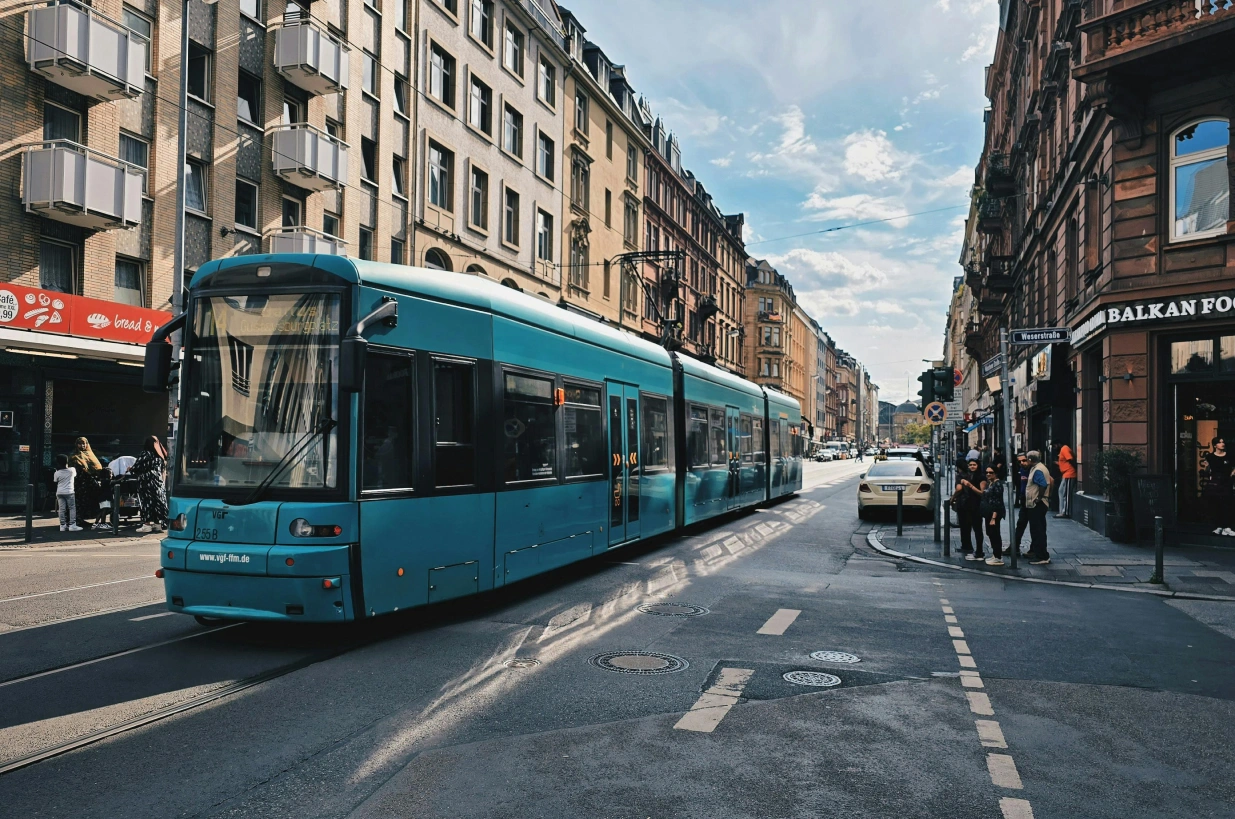
Today, on Monday, February 2, 2026, major disruptions in public transport are expected due to a warning strike related to negotiations on working conditions in local transport across Germany.
The strike was organized by the union ver.di and covered a large number of cities and federal states, including Berlin, Hamburg, Munich, Cologne and Frankfurt.
While passengers look for alternative routes, the most concrete question remains the same: how much do tram and subway drivers actually earn in Germany. Available data from job advertisements and the collective agreement for local transport in Hesse provide a fairly precise picture of base gross salary, allowances and annual payments.
In Germany, salaries are almost always communicated in gross amounts, while net depends on the tax class and personal circumstances. That is why real comparisons are made primarily at the gross level.
The Frankfurt transport operator Verkehrsgesellschaft Frankfurt in its advertisements specifically targets people changing careers as well, writes Fenix Magazin. It states internal training lasting about three months. During training, 3,403.64 euros gross per month is paid. After successfully completing the qualification, the base salary rises to 3,554.94 euros gross per month.
Pay in Frankfurt is based on the collective agreement for local transport in Hesse. At the entry level, the tabulated gross salaries for tram and subway drivers range, depending on the pay group, from approximately 3,120 to 3,470 euros per month. With experience, pay increases by levels, typically after approximately 3, 6, 9, 12 and 15 years.
A new increase in the tabulated values is already planned from May 1, 2026.
Allowances for shift work are added to the base gross salary, for example for night work and Sunday work. In this job, this is not a rarity but a standard part of the schedule, so for some workers allowances make up an important part of total earnings.
In addition, the collective agreement provides for an annual special payment amounting to 90 percent of a monthly salary, which is generally paid in November.
Frankfurt also has an agglomeration allowance of 40 cents per working hour, which for full-time work comes to about 66 euros per month.
In addition to the base salary, VGF particularly highlights in the advertisement elements that affect total earnings and the standard of employees. They mention a permanent contract with a probationary period, performance incentives and additional pension savings through the city’s supplementary insurance system.
Among the benefits are also a free public transport ticket in the region, 30 days of annual leave, a subsidized program for access to sports and wellness facilities, educational programs through the internal academy, and measures for balancing work and private life.
According to the VGF advertisement, the driver is primarily responsible for safe and reliable driving and for providing appropriate information to passengers. The schedule is shift-based and includes weekends and holidays.
Candidates are sought who are at least 21 years old and have a category B driving license, and very good knowledge of German is also essential because announcements are made to passengers and communication takes place with the operations center. At a later stage of the process, certificates of no criminal record and data from the driver register are also required, with restrictions for serious offenses.
The union ver.di is seeking improvements in working conditions in public transport, higher allowances for shift work, clearer job classifications and additional days off. In most regions, the emphasis is not on base salary but on workload, working hours and the sustainability of the job.
The union’s goal is to put pressure on employers during the current round of wage negotiations for almost 100,000 employees in around 150 municipal transport companies and bus operators.
The strike covers municipal transport operators in almost all federal states, with the exception of Lower Saxony.
Deutsche Bahn trains, including S‑Bahn and regional lines, were not covered by the strike.