

DB Deutsche Bahn
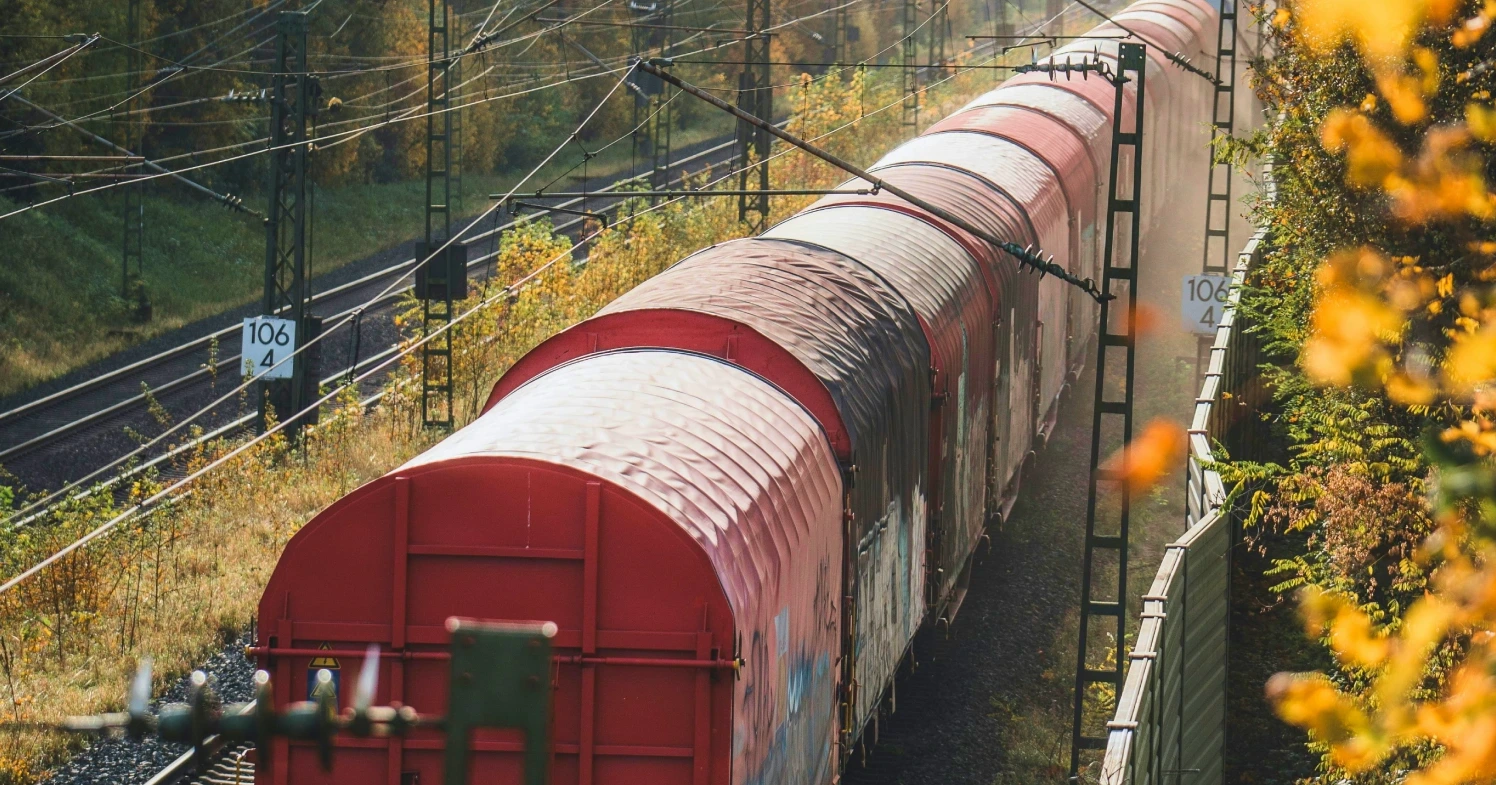
Rail Giant Deutsche Bahn Cuts 6,200 Jobs in Freight Transport
19.02.2026.
04/20/2026

Photo: Nova Željezara Zenica/Facebook
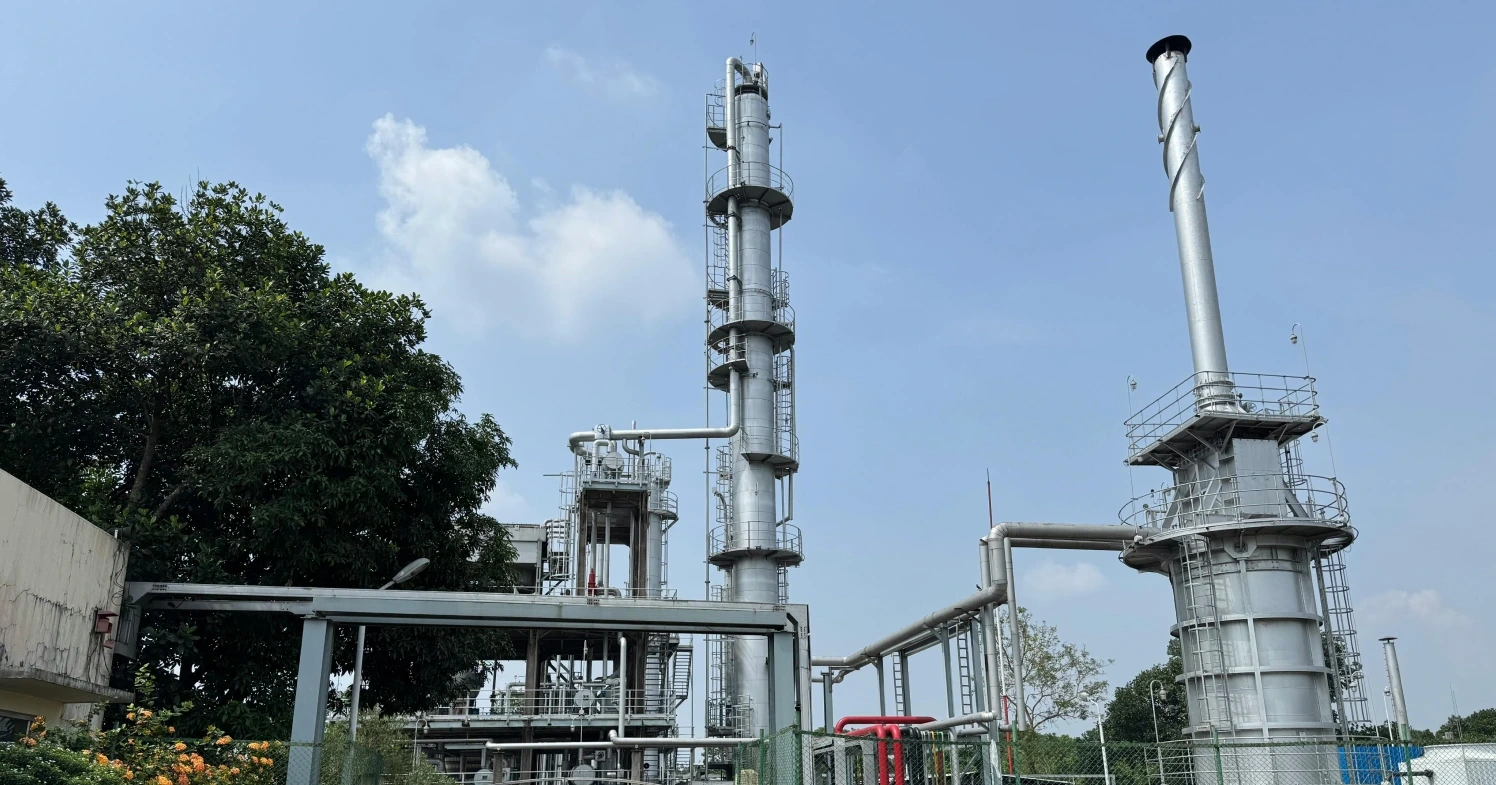
Nova Željezara Zenica, the largest and most important metallurgical factory in Bosnia and Herzegovina founded back in 1892, has officially confirmed the start of the suspension of integrated steel production.
The shutdown process of key facilities will begin between April 20 and 25, 2026, putting the livelihoods of 11,000 workers across the entire region into question. This drastic move is a direct consequence of market uncompetitiveness and months of ignoring requests to protect domestic industry by the state leadership.
The very heart of the factory is being shut down, namely the complete stoppage of the blast furnace where iron ore is melted, the sintering plant responsible for preparing raw materials, and the steelworks itself.
The decision to shut down was made because the Council of Ministers of Bosnia and Herzegovina, on 2 occasions during March, did not want to adopt a regulation on the introduction of temporary protective measures. According to management, this lifesaving decision was brought down by ministers from the Croatian Democratic Union. As a result, the domestic market continues to be flooded with cheaper steel from Turkey and Italy, while neighboring Serbia simultaneously protects its economy with strict import quotas.
The rejection of protective measures caused enormous outrage among employees, which is why around 500 workers recently organized a peaceful protest in Sarajevo with the clear message that the fight to save the factory is not over.
Aware of the lack of time, management made a completely unexpected move at the beginning of April. They officially offered the Government of the Federation of Bosnia and Herzegovina, which currently owns an 8 percent stake in the steelworks, the takeover of an additional ownership share. The goal of this move is to strengthen state interest and encourage the authorities to finally protect the production on which the entire region depends, and the Government's response was requested no later than April 8.
Alongside political blockades, the Zenica giant has faced an acute shortage of raw materials after the recent closure of the coke plant in the nearby town of Lukavac. Current fuel reserves are sufficient only until the announced shutdown date. Continuing operations after April 25 would be completely unlawful because the factory would no longer be able to meet its financial obligations, while seriously endangering the safety of people and equipment.
Because of this, the competent court in Zenica has preventively appointed a temporary bankruptcy administrator to oversee the legality of operations. However, experts note that restarting the blast furnace is technically feasible within 7 days, but only on the condition that the state offers a concrete solution within that short period.
In its statements, management continuously emphasizes that the factory is not closing completely and that they are actively seeking a new business model, but they openly admit that difficult cuts and a reduction in the total number of employees will follow. The shutdown of integrated production triggers an extremely dangerous chain reaction in the economy. The operations of as many as 550 connected companies, numerous suppliers, mines, and the entire energy sector depend on the daily work of the Zenica steelworks. State railways will suffer a particularly severe blow, suddenly losing a huge portion of their freight traffic. Because of this, this problem ceases to be exclusively local and becomes a direct threat to the livelihoods of an incredible 11,000 workers and their families across the country.
The case of Nova Željezara Zenica painfully and precisely illustrates the devastating price of political irresponsibility and bureaucratic sluggishness. A factory with a tradition longer than 130 years is today literally counting down the last days of its core production solely because of the absence of a strategic state vision and protection from unfair import competition. Management's innovative and somewhat desperate offer to hand over part of the ownership to the state is a clear indication of the complete hopelessness of the situation they are in. If the political elites in the neighboring country do not urgently respond to these appeals, they will pay for their passivity with the irreversible collapse of the industrial sector, and the massive loss of jobs will trigger a social and economic catastrophe whose consequences will be felt for decades to come.