

BiH salaries
Net Salaries in Bosnia and Herzegovina Rise to €835: Croatia Still Leads by a Huge €659 at €1,494
20.02.2026.
08/29/2025
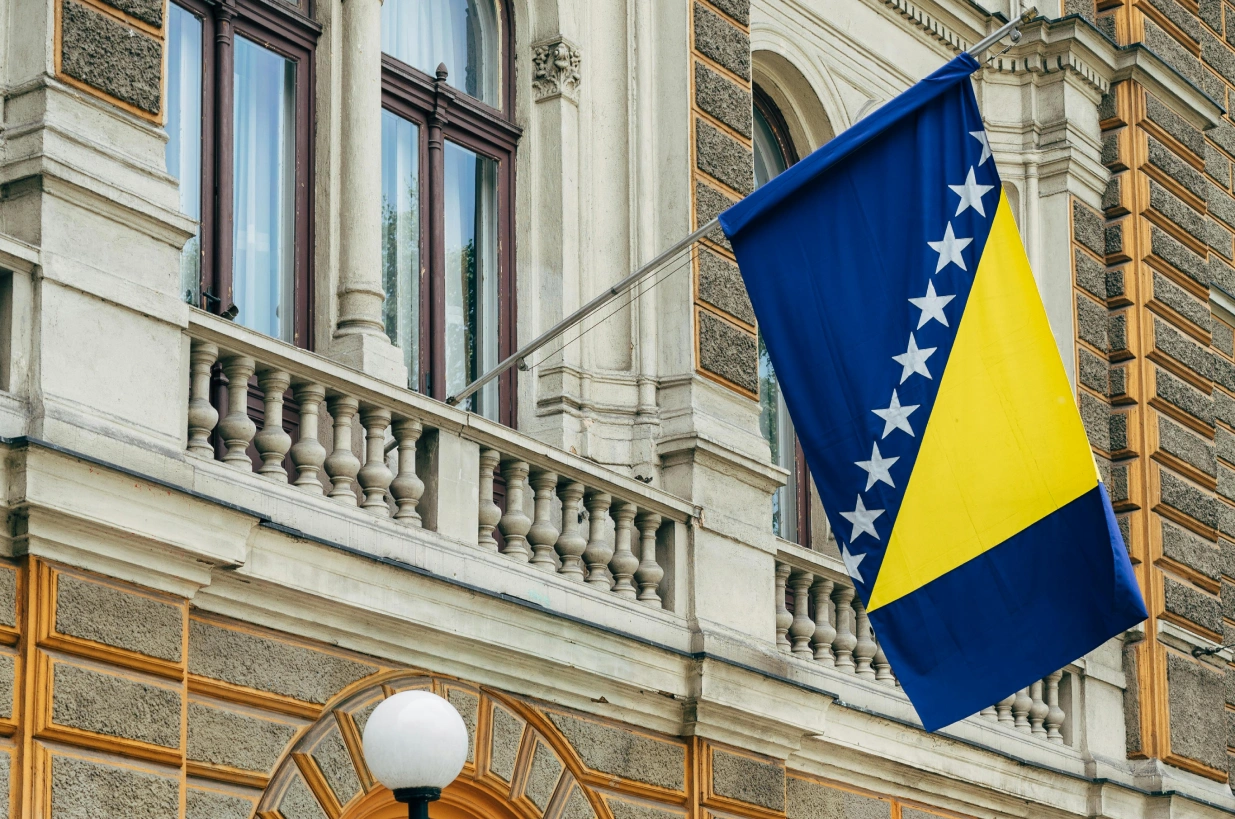
The largest inflow of foreign investment into Bosnia and Herzegovina in 2024 came from the Republic of Croatia, which accounts for almost a quarter of the total amount, the Central Bank of Bosnia and Herzegovina announced.
According to the data, Croatian investments reached 211.7 million euros, which is significantly higher compared to Germany, which invested 130.3 million euros, and Slovenia with 126.9 million euros, writes index.hr.
The largest share of foreign investment last year was directed into financial services, which attracted 257.6 million euros. This was followed by the retail sector with 112.6 million euros and wholesale with 104.6 million euros. Total foreign direct investment in Bosnia and Herzegovina in 2024 amounted to 899.5 million euros, which is a decline compared to 1.05 billion euros in 2023.
From the beginning of statistical tracking until the end of 2024, the total amount of foreign direct investment in Bosnia and Herzegovina reached 10.83 billion euros. Of that, the largest share, 1.64 billion euros or 15.2 percent, was invested by Croatia itself. This fact highlights the importance of economic ties between neighboring countries and the geographical proximity that facilitates cooperation and business.
It is important to note that, unlike Croatia, Germany and Slovenia invest significantly less in Bosnia and Herzegovina, which further emphasizes Croatia's role as a key investor in the region, reports index.hr.
Bosnia and Herzegovina, although faced with several challenges such as a complex political system and administrative obstacles, remains an attractive destination for foreign investors, especially those from neighboring countries. Croatia is the most prominent partner here given the proximity and interconnectedness of the markets, while the rest of Europe invests significantly less.
The private sector in Bosnia and Herzegovina is slowly developing, with strong growth in the food processing, construction, and trade sectors. Investments in fixed assets, such as infrastructure and production facilities, increased by more than 8 percent in 2024, showing a positive trend in the development of the domestic economy.
Bosnia and Herzegovina's industry traditionally relies on manufacturing, which accounts for a significant share of total investment. Also, wholesale and retail trade has a strong impact, as does the energy production and supply sector, which generates continuous interest among investors.
In addition to traditional investments, an increase in interest in renewable energy sources has also been recorded, which is part of the broader European strategy to reduce dependence on fossil fuels. This opens up new opportunities for diversifying Bosnia and Herzegovina's economy and reducing energy dependence.
Foreign investors in Bosnia and Herzegovina often also highlight as an advantage the relatively low labor costs compared to developed countries, as well as the possibility of access to EU markets through connected supply chains, which is important for Croatian entrepreneurs already operating in the region.