


earnings Zaba
CEO of One of Croatia’s Best-Known Companies Earns Around €103,000 a Month
14.05.2025.
02/06/2026

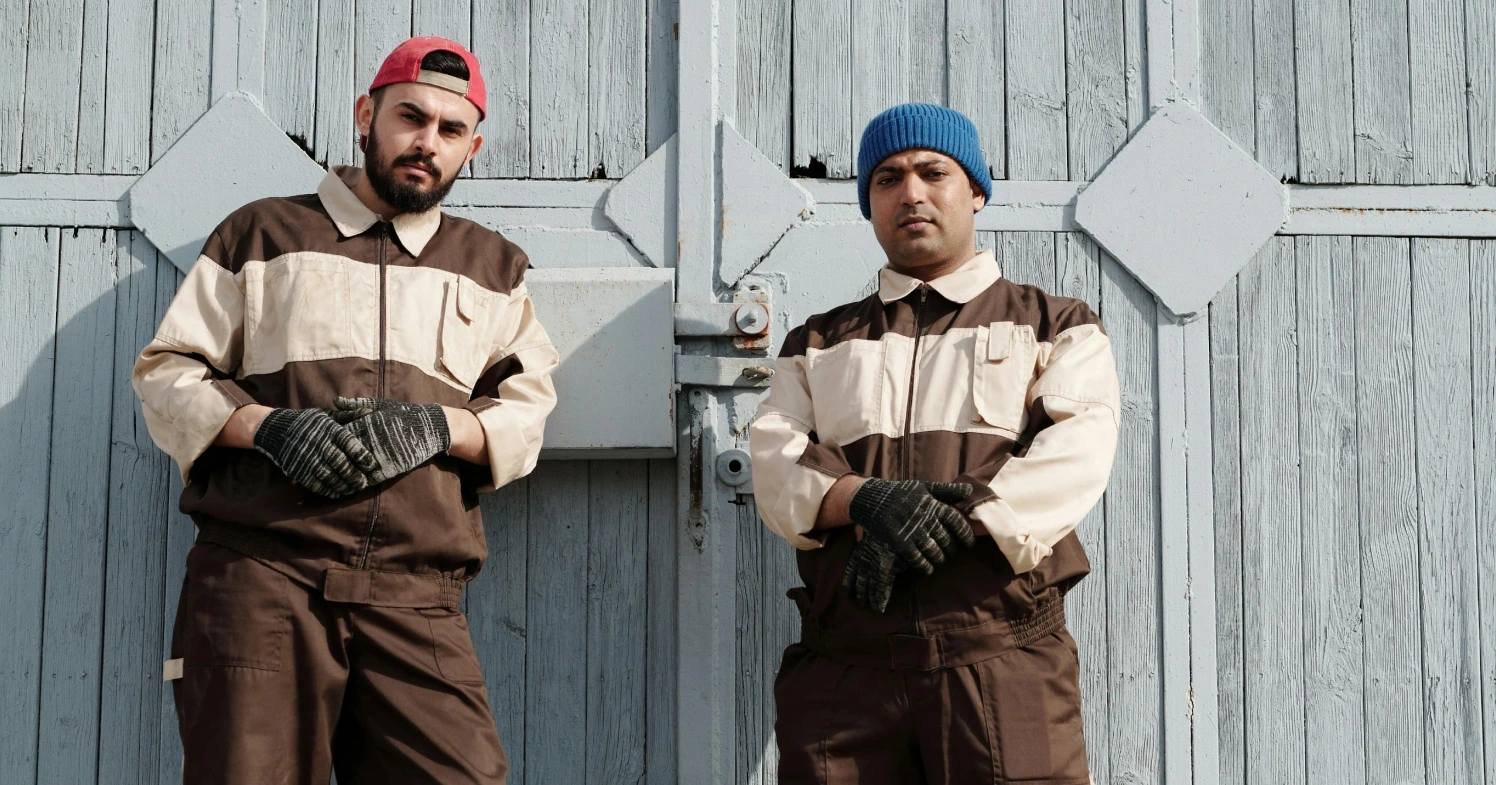
The photograph is illustrative in nature.
The issue of the wage ratio between domestic and foreign labor has once again stirred the Croatian public, this time prompted by a viral post on the social network Reddit.
On the r/hrvatska subreddit, one citizen decided to check the actual earnings of his foreign neighbors, and the figures he obtained triggered a wave of reactions and opened a debate about the standard of living in Croatia.
A user who goes by the nickname TalkApprehensive4246 on the platform shared his experience of direct communication with workers from Asia living in his immediate vicinity. He described his curiosity and approach with the words: 'I have dark-skinned neighbors from foreign countries nearby, and that’s how I managed to establish some good neighborly relations, so I asked them what they do, how they are doing, and how much they earn.'
Through an informal conversation, the author learned precise amounts that surprised many, especially when considering the complexity of the jobs and the working hours. According to his claims, a neighbor from India is employed as a mechanic and receives an amount for his work that exceeds many average Croatian incomes in the same sector. The author states that this mechanic works from 8 a.m. to 4 p.m., has weekends off, and for that receives a salary of 1,500 euros net.
In addition to him, he also spoke with two workers from Nepal. The first interlocutor, employed as a concrete mixer truck driver, earns 1,350 euros per month, while the second worker is employed in construction. For him, the author points out that he works from 7 a.m. to 4 p.m. and that his monthly income amounts to 1,300 euros.
However, what sparked the most empathy and discussion in the comments was not the amount of foreign workers’ wages itself, but the bitterness the author felt when comparing their status with his own. The key difference, as he notes, lies in covered living expenses, primarily accommodation, which allow foreign workers to save significantly more. The author summed up his conclusion in a sincere and painful admission: 'I must admit that I feel less worthy, because they have accommodation and food and realistically can save more than I can.'
This post gathered dozens of comments and reactions in a very short time, and the discussion focused on the fact that employers often provide foreign workers with accommodation and meals, while domestic workers are left to market rental and food prices, which makes their real purchasing power significantly lower despite nominally similar or even identical wages.
The discussion that developed below the post quickly showed the full complexity of this problem. While some users expressed disbelief at the amounts, others pointed out that these wages are realistic for hard physical jobs that the local population no longer wants to do. One commentator in the discussion posed a rhetorical question that strikes at the very heart of the problem: 'The wage is fair, but the key is that a domestic worker has to pay 600 euros for an apartment and utilities out of his 1,300 euros, while for them that is pure savings.'
Those who believe that such arrangements create unfair competition for domestic workers also joined the discussion. One participant in the discussion pointed out that it is problematic that foreign workers are subsidized with a lifestyle that has become unaffordable for Croats, adding that 'this artificially lowers the price of labor because a local person with that salary and without secured housing cannot start a family'. On the other hand, some participants in the discussion defended the workers, stating that these people do hard jobs and live in collective accommodations that most local people would not accept.
Also interesting is the comment of a user who recalled the fate of Croatian emigrants in Germany or Ireland, drawing a parallel between our people abroad and foreigners in Croatia. He wrote that 'until recently, we were the ones going abroad and sleeping eight to a room in order to save money, and now we are surprised when someone does that here'. Nevertheless, the prevailing tone of the discussion remained on the side of the author who feels injustice because the system, in the opinion of many on Reddit, favors agency work and imported labor at the expense of a dignified life for the local population.
This case once again showed that the issue of foreign workers in Croatia is not only a matter of economics and filling quotas, but a deeply social issue that causes a feeling of insecurity among domestic workers. The fact that the post has a large number of reactions in a short time confirms that the topic of wages and benefits for foreign workers will continue to be one of the most turbulent points in the Croatian public sphere.