


Montenegro foreign workers
Montenegro Sees Seasonal Rescue in Foreign Worker Imports Following Croatia’s Model
16.02.2026.
07/27/2026

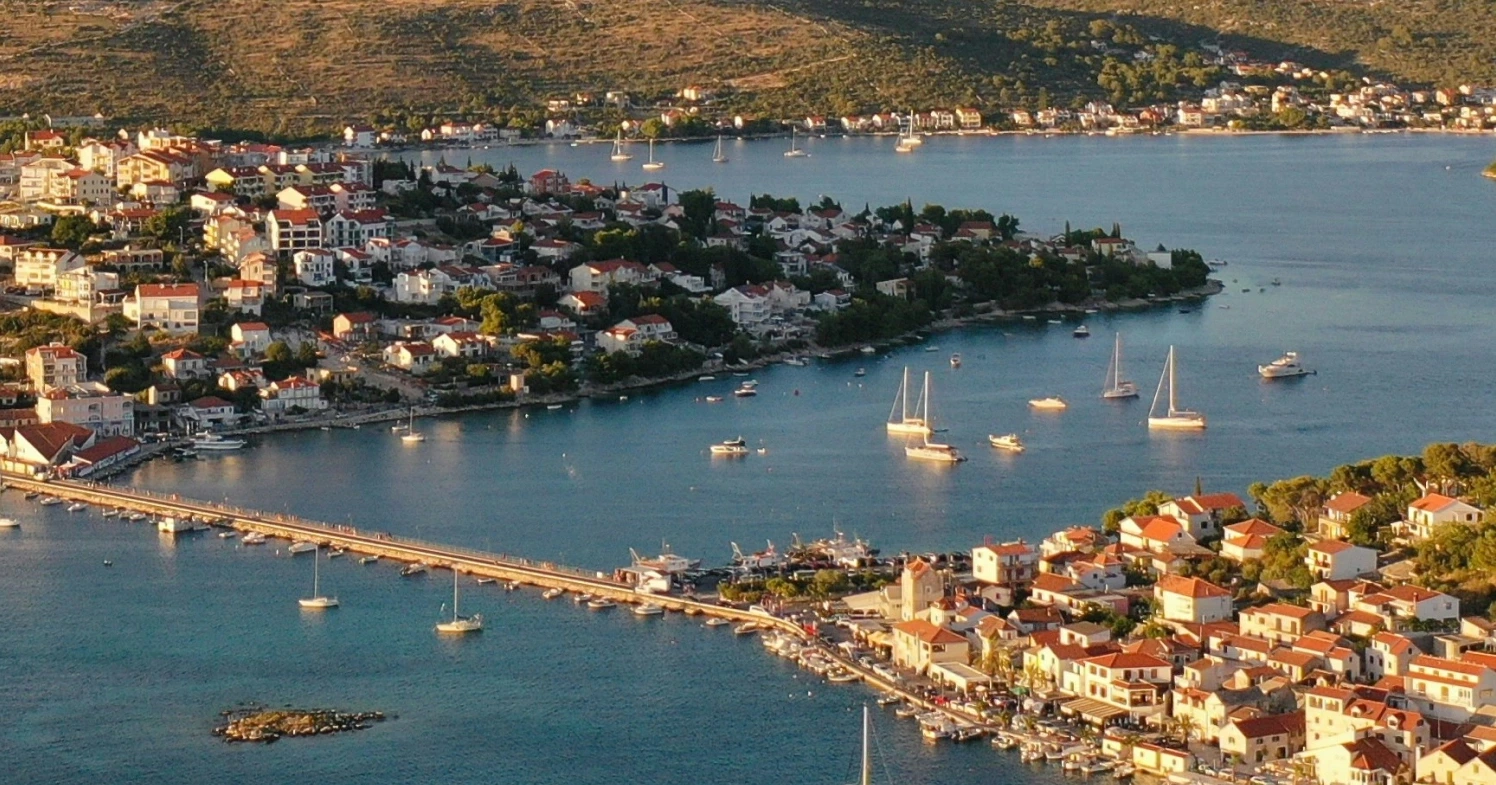
The photograph is for illustrative purposes.
Salary, accommodation, and meals attracted her to Pula.
While Croatian employers are finding it increasingly difficult to find domestic workers during the tourist season, more and more employees from distant countries are coming to Istria. Among them is Nohemia, a waitress from the Philippines, whose story is brought by RTL Danas. This foreign worker states that the salary in Croatia is almost 100% higher than in her homeland. Her employer provides her with accommodation and free meals during working hours.
Foreign workers have become an important part of the operations of hotels, restaurants, transport companies, and other activities related to tourism. One Istrian hotel company has around 25% foreign nationals among its employees, writes net.hr. Many of them return year after year, which makes it easier for employers to organize operations during the most demanding months.
According to data from the Istria Police Administration, since the beginning of 2026, 16,984 residence and work permits have been issued, which is 2% less than in the same period last year. In Istria County, 21,534 third-country nationals with temporary residence for work were also recorded, or 7% fewer than a year earlier.
As many as 68% of the issued permits relate to tourism and hospitality, 13% to construction, and 7% to industry. Most foreign workers come to Istria from Serbia, Bosnia and Herzegovina, North Macedonia, and Nepal. Among them is Nepali bus driver Suresh Thapa Magar, who after arriving had to adapt to Croatian traffic rules and driving on the right side of the road.
For foreign workers, a job in Croatia brings higher earnings and more secure income, but their arrival often also means being separated from their families for months. At the same time, their presence shows how much the Croatian labor market, especially on the Adriatic, is increasingly dependent on people who come for work from countries thousands of kilometers away.