foreign workers Croatia
Cost of Living in Croatia: How Much Does Daily Life Cost for a Filipino Worker?
16.02.2026.
11/13/2026

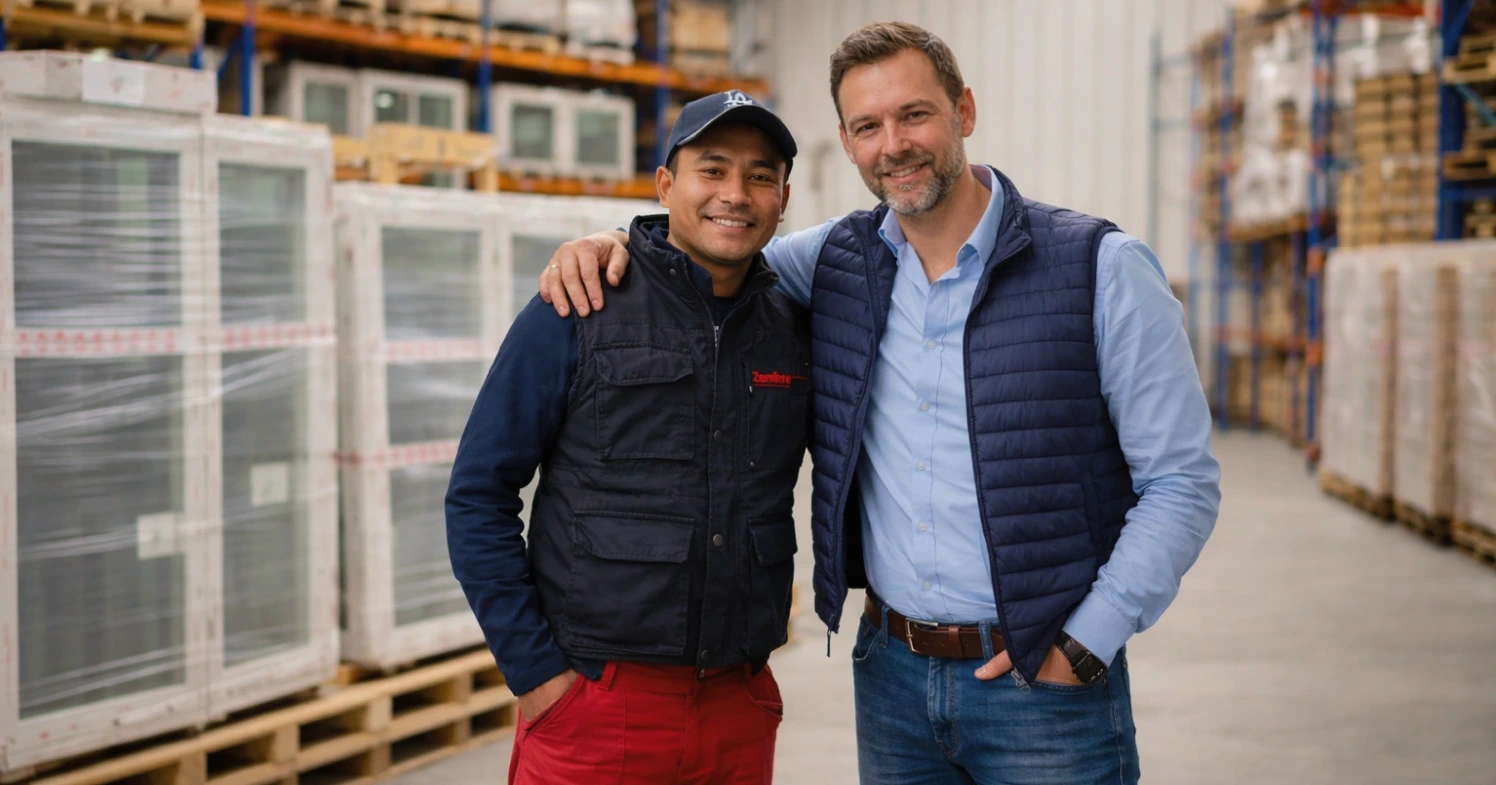
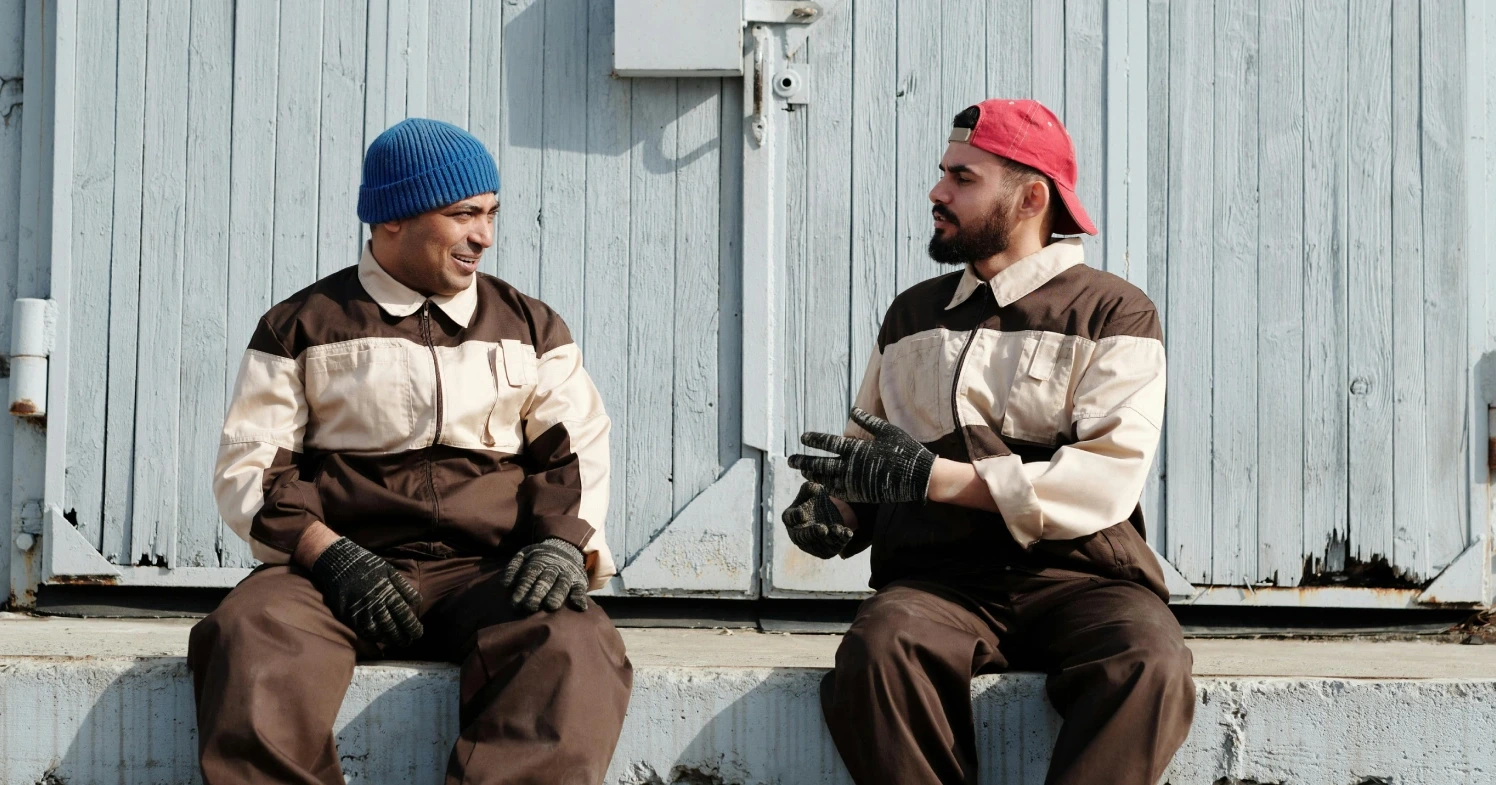
The photograph is for illustrative purposes
While the total number of residence and work permits issued in Croatia is falling, significantly more are being issued to Philippine nationals.
In the first ten months of 2026, they received 20,740 permits, compared with 14,560 in the same period of the previous year. A comparison of data from the Ministry of the Interior shows an increase of 42.4 percent, or 6,180 more permits.
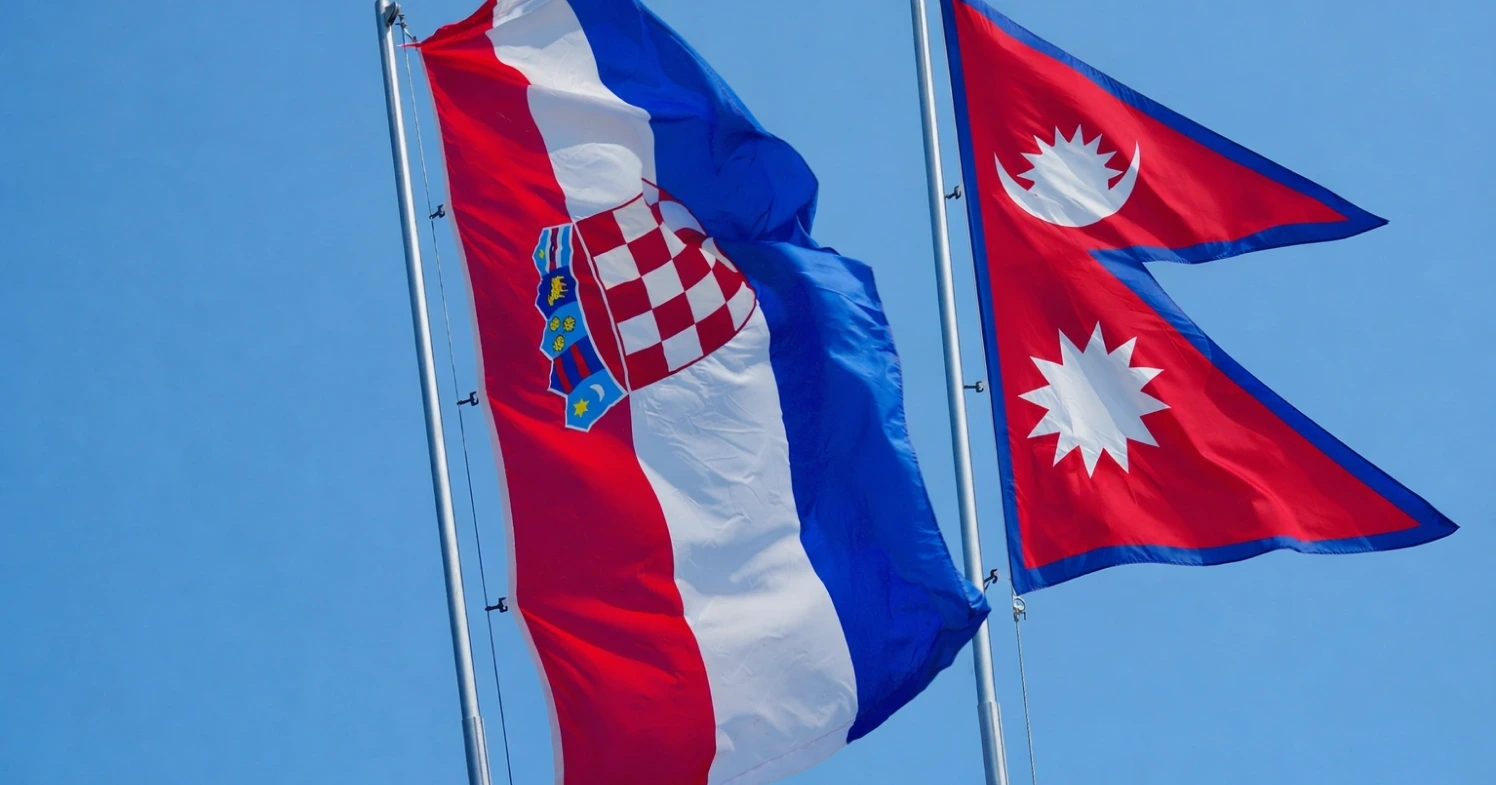
With such growth, Filipinos have overtaken nationals of Nepal and Serbia and moved from fourth place last year to second place.
Nepal recorded a drop from 27,365 to 18,902 permits, or 30.9 percent. Serbian nationals were issued 20,646 permits this year. Nationals of Bosnia and Herzegovina remained in first place with 23,914 permits issued.
A total of 132,899 permits were issued by the end of October, while in the same period of 2025 there were 149,166. That is a decline of 10.9 percent. This year's figure includes 53,110 permits for new employment, 54,164 renewals, and 25,625 permits for seasonal work. Therefore, the total number of permits should not be equated with the number of new workers who arrived in Croatia.
For jobs in tourism and hospitality, 50,342 permits were issued, which is 4.1 percent more than in the same period last year. Construction, on the other hand, recorded 35,640 permits, or 20.6 percent fewer. Net.hr, relaying a report by RTL Direkt, links the higher demand for Filipinos precisely to the needs of hospitality and other service activities, where they work more often.
The report cites among the reasons for their more frequent employment their knowledge of English, easier mastery of Croatian, and cultural and religious closeness, including the Catholic faith. State Secretary at the Ministry of Labour Ivan Vidiš assesses that Filipinos fit well into Croatian society and successfully learn the Croatian language.
According to the same report, there are more and more Filipinos who are bringing or planning to bring their families to Croatia. Their children are starting school here, so for some of these workers employment is also the beginning of organizing family life in Croatia. Along with a job, language, education, and everyday adaptation become important.
Significantly more permits were issued to Filipinos precisely in the year when their overall number is decreasing. Sectoral data and explanations from the report point to a change in employers' needs, especially in service activities. Plans to bring families also show that some workers are thinking about a longer-term stay, which is why, alongside employment, living conditions in Croatia will also be important.