

Croatian Pension Insurance Institute pensions
More Croatian Pensioners Are Working: Number Surpasses 40,000, Up from Fewer Than 3,500 in 2017
08.09.2026.
10/24/2025
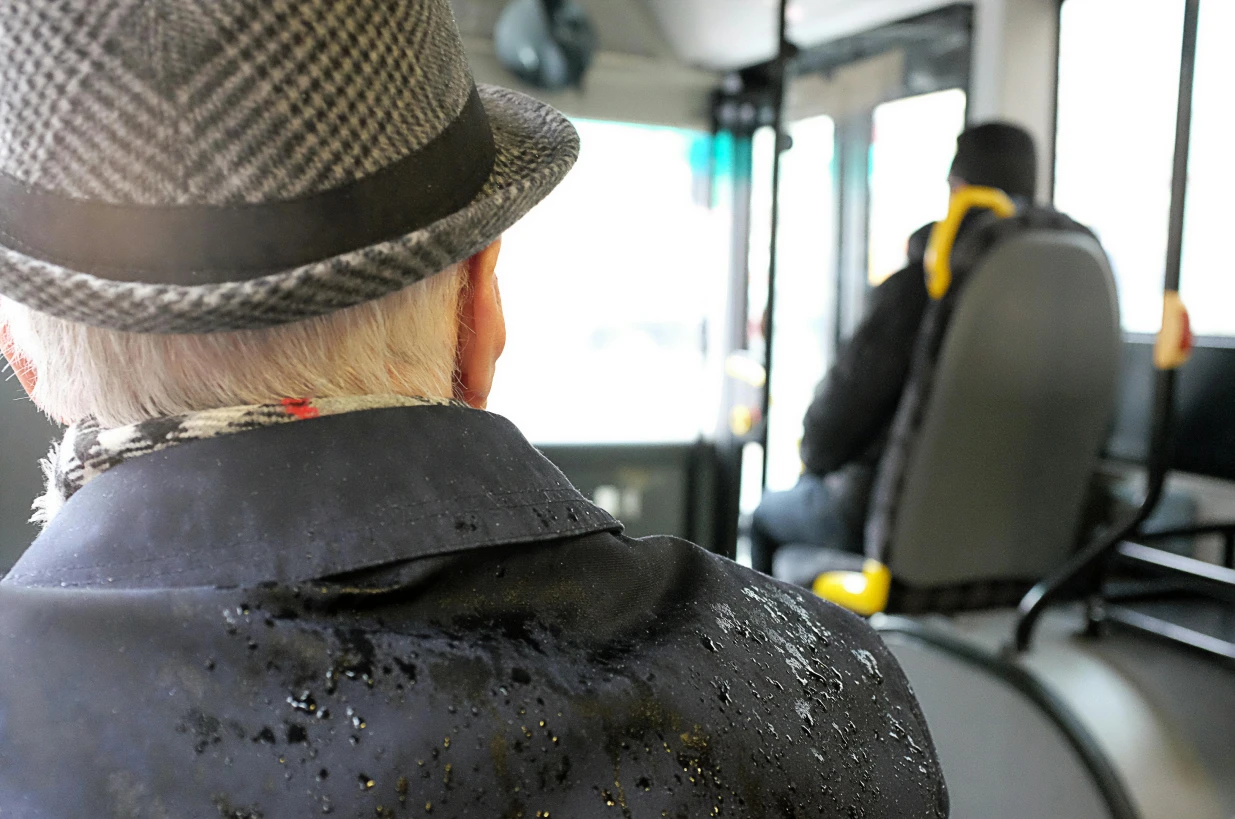
According to data from the Croatian Pension Insurance Institute, workers' pensions in Croatia are received by around 1.3 million citizens, and the average amount pensioners received in October was only 560 euros.
Although pensions have risen in recent years due to wage increases and inflation, most pensioners still live on incomes that do not keep pace with rising living costs, writes the portal Mirovina.hr. More than 660 thousand people, who worked for years and contributed to the system, now have less than 570 euros at their disposal each month.
The average is raised by privileged pensions
The portal Mirovina.hr, based on data from the HZMO, states that the average would be higher if beneficiaries with pension income based on international agreements, who on average receive very small amounts, were excluded from the calculation. In that case, the average workers' pension rises to 636 euros. However, these calculations also include certain categories of pensions under special regulations, such as parliamentary pensions, which on average reach almost 2,400 euros, and in the last Government mandate they were increased by as much as 120 percent. Along with them, the average is also raised by high pensions of academics, theater workers, firefighters, and other groups with special status, around 192 thousand of them in total.
Most elderly citizens can barely make ends meet
The largest number of pensioners receive old-age and early retirement pensions that are only slightly above 500 euros, while disability and family pensions on average do not exceed 460 euros. Statistics show that almost half a million pensioners receive between 200 and 500 euros, and more than 100 thousand of them live on less than 150 euros per month. These amounts clearly show the deep gap between those who receive privileged pensions and those who spent their entire working lives in the real sector.
Croatian pensions still among the lowest in the European Union
Despite increases in the last few years, Croatia still ranks among the countries with the lowest pensions in the European Union. The average pension covers only part of the basic costs of living, and many pensioners depend on help from their children or social benefits. Comparisons show that pensioners in Slovenia or Austria have incomes up to three times higher, even though the cost of living in Croatia is increasingly higher.
The rise in food, housing, and utility prices has additionally hit the most vulnerable groups, especially pensioners who live alone. Many of them have to choose between paying utility bills and buying medicine. In such circumstances, every pension increase, although positive, fails to keep up with the real cost of living.
Experts have been warning for years that a thorough reform of the pension system is necessary in order to ensure sustainability and a dignified life for elderly citizens. While privileged pensions remain significantly above average, most pensioners survive on minimal amounts, which creates an ever greater social gap and calls into question the fairness of the entire system.