


BiH Bosnia and Herzegovina
How Much Workers in Bosnia and Herzegovina Earn: Average Salary Just €840
06.05.2026.
07/26/2025
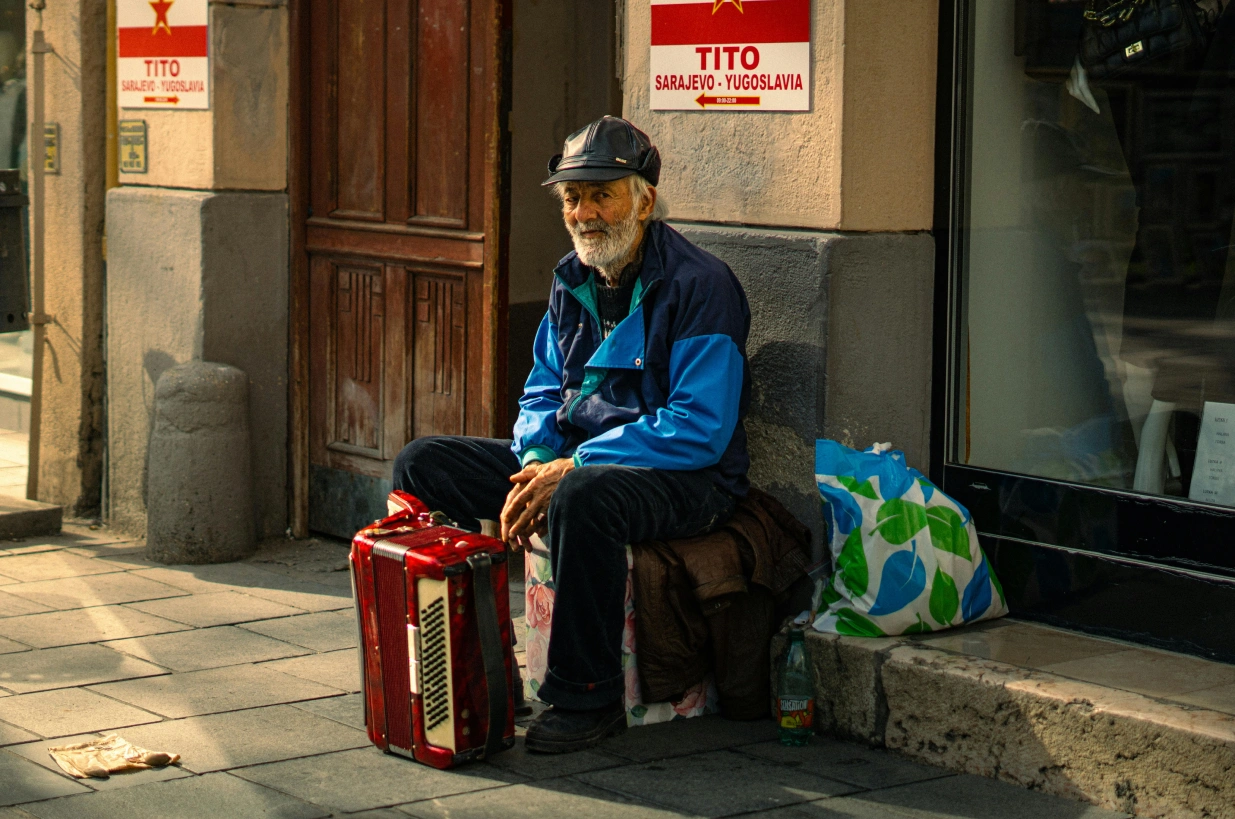
The pension system of the Federation of Bosnia and Herzegovina is facing a serious crisis because most pensioners survive on the minimum pension, while the number of workers who regularly pay contributions is in constant decline.
According to official data, as many as 62 percent of pensioners receive the lowest pension, which in 2025 amounts to around 599 convertible marks or approximately 306 euros, an amount with which it is almost impossible to cover basic living needs in today’s economic conditions, writes Moje Vrijeme.
The burden on the system is clearly shown by the ratio of only 1.2 workers per pensioner, while sustainability is guaranteed only with twice as many workers per beneficiary. This situation threatens the stability of the entire pension fund, which currently pays pensions to more than 458 thousand citizens of the Federation of BiH, and expenditures for these needs already make up almost half of the federal budget.
Particularly problematic is the fact that the same amount of minimum pension is received by citizens with 15 years of service and those with as many as 40 years of service, which causes justified outrage among long-term contribution payers. More and more voices from the professional and pensioner public are calling for the introduction of a differentiated minimum pension according to years of service, a model that, for example, already functions in the neighboring Republika Srpska. There, minimum pensions are clearly defined according to the length of service, and for example for 40 years of service they are significantly higher than for the minimum legal requirement.
The Government of the Federation of BiH is aware of the urgency of reforms, so it has proposed a new formula for pension adjustment that would introduce a combination of wage and price growth, in a 60:40 ratio, in order to prevent unrealistic extraordinary corrections under political pressure. The possibility of voluntary insurance is also being announced as a measure that would ease the situation for those who failed to accumulate full service, and did not achieve sufficient social security.
Since gross domestic product is currently an insufficiently representative indicator of the real purchasing power and standard of living of older citizens, pensioners’ associations are calling for a redefinition of budget priorities as well as legal amendments that would enable automatic pension adjustment alongside wage growth in the public sector. The opposition, on the other hand, accuses the authorities of neglecting the oldest citizens, reminding that the debt to the MIO fund is still enormous, amounting to more than 160 million euros, and warns that, without urgently finding a solution, the entire pension system could very soon come to the brink of collapse.
It is interesting to note that, although the minimum pension in BiH is higher today than it was a few years ago, the real value of these benefits has fallen due to high inflation, and the increases are only nominal. In Croatia, the average pension, for example, is more than twice as high, and the ratio of workers to pensioners is still somewhat more favorable. However, in Croatia too, the key issue of fairness in calculating years of service and the sustainability of the system is increasingly highlighted in public debates, which shows that the problem of pension system sustainability is shared by the entire region.
Given the current demographic indicators and the decline in the number of employed people, without decisive structural changes the Federation of BiH could soon find itself in a position where each generation of pensioners can expect an ever lower level of protection. This situation requires swift and thoughtful political action and the opening of dialogue between the Government and representatives of pensioners, for the benefit of present and future generations.


