

Croatia foreign workers
Foreign Workers’ Experiences: Croatian Is Difficult, but Opportunities and Wages in Croatia Are Decisive
23.02.2026.
11/12/2025
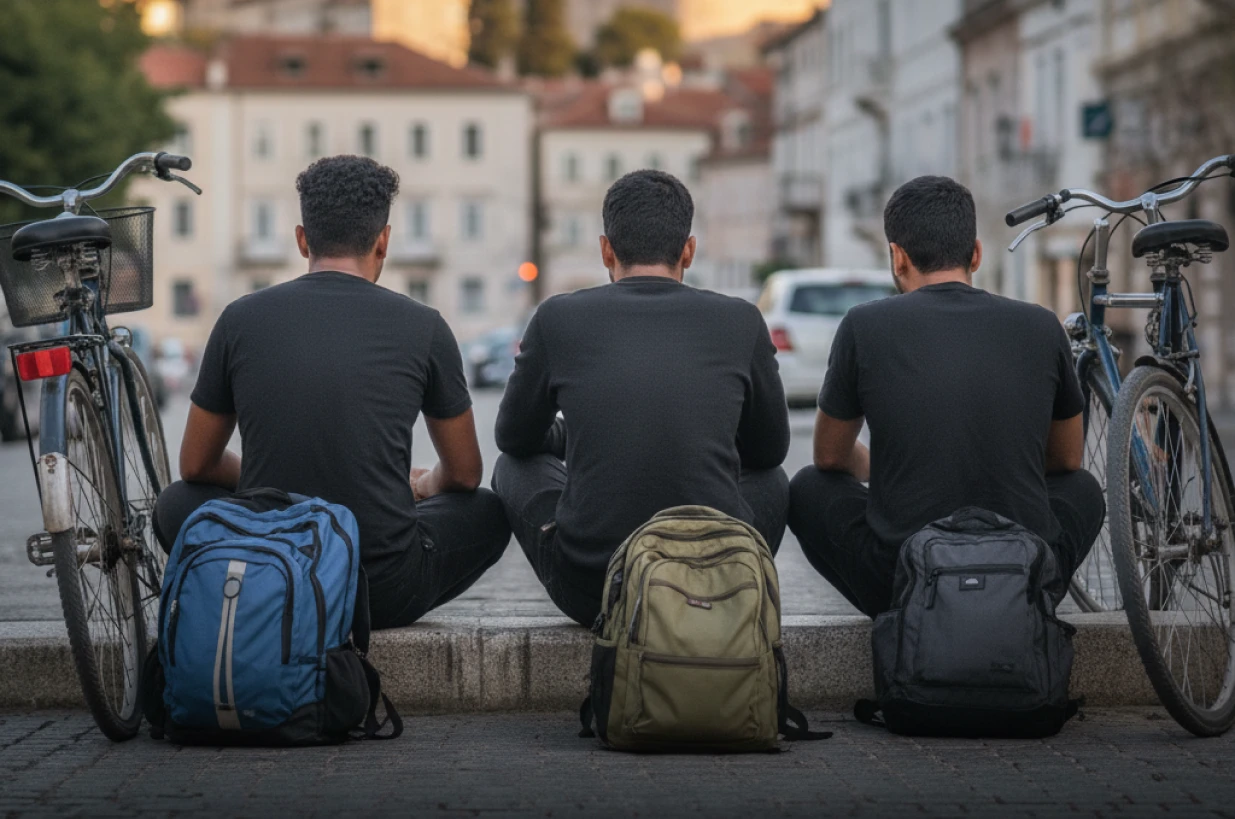
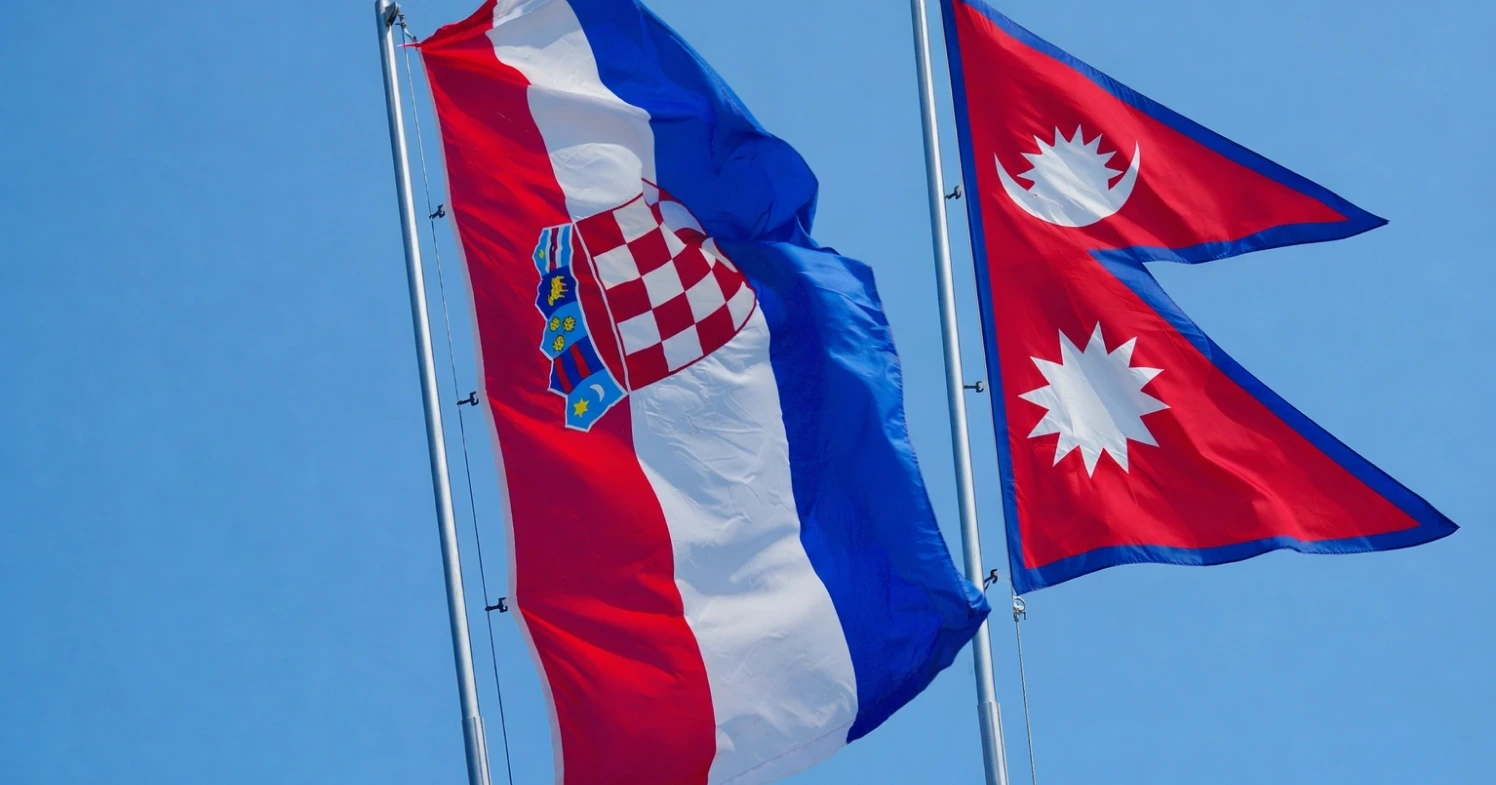
In Croatia, which is increasingly dependent on foreign labor, the case of the exploitation of three delivery workers, immigrants from Nepal and India, shocked the public.
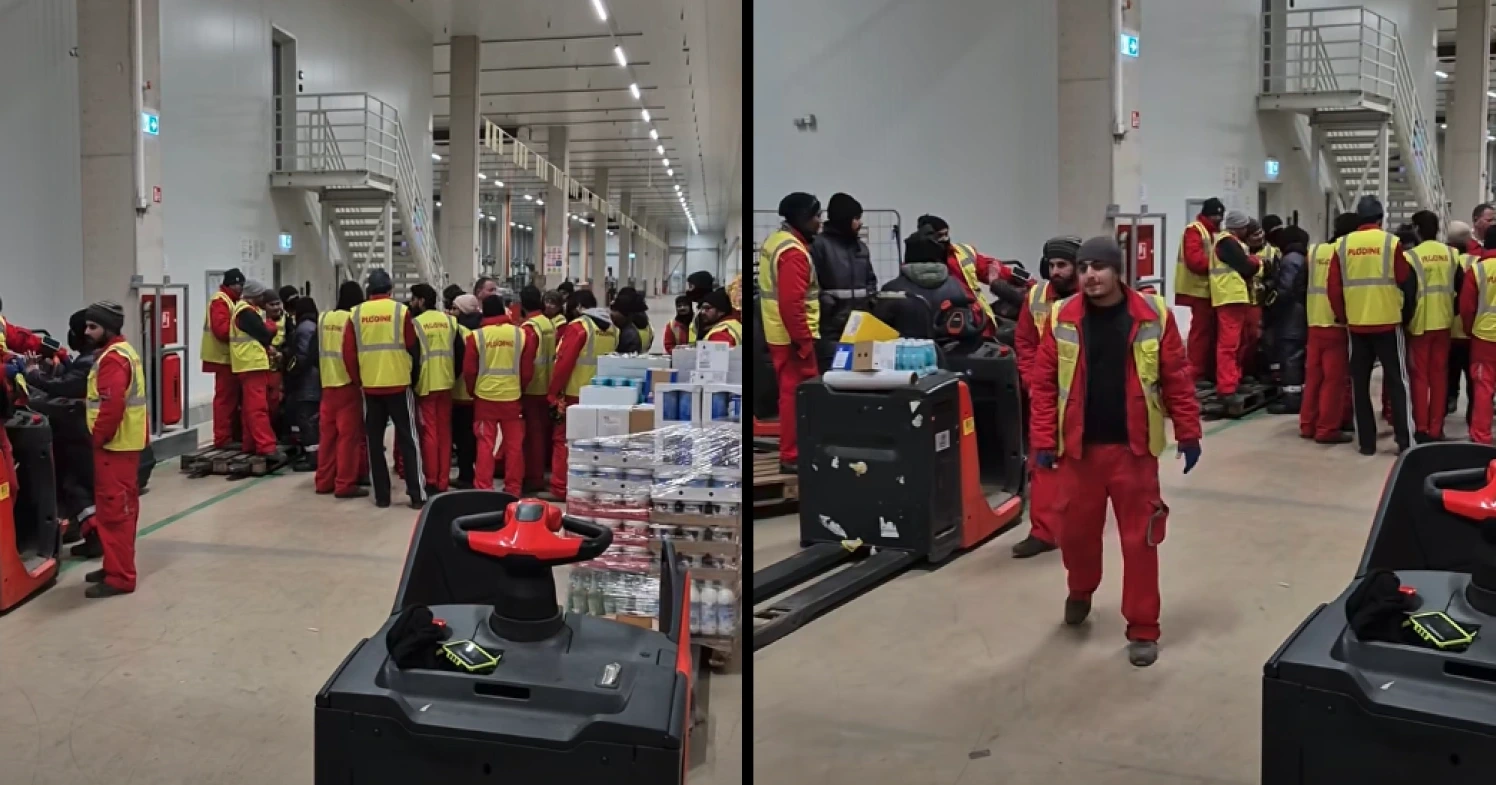
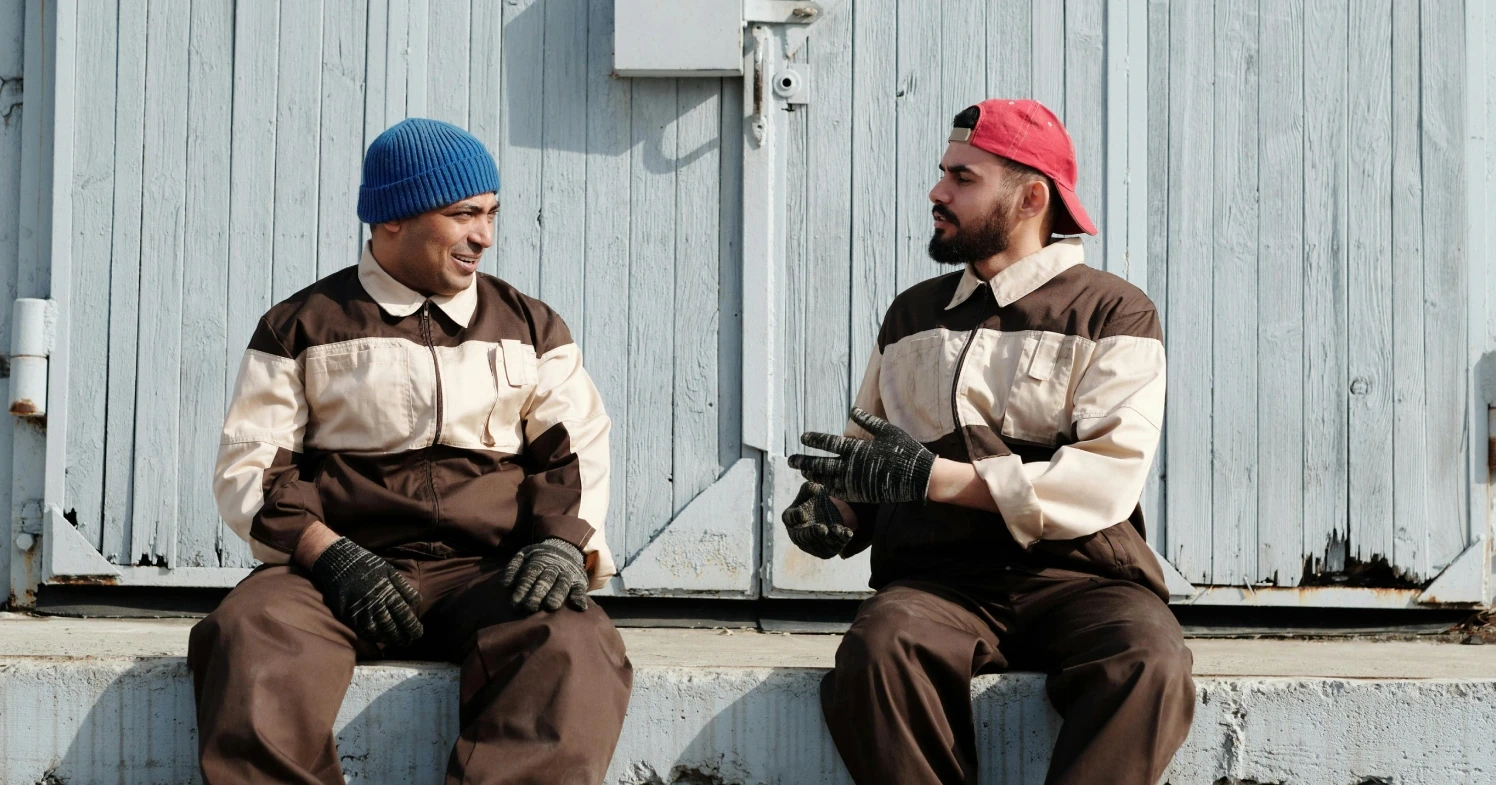
The latest case of exploitation, exclusively uncovered by RTL Direkt, concerns three delivery workers, Azeem, Suresh, and Ajit, who came from distant Kathmandu and Mumbai to work in Split in order to provide for their families. For two years they diligently delivered food, but they were faced with a nightmare: they worked for two months without pay, and now they are threatened with eviction from their apartment, while their employer is at the same time opening a new hospitality venue in the very heart of Zagreb.
About twenty delivery workers, including the aforementioned three, were dismissed in mid-October, and they last received their salary for August, which led them to complete financial collapse.
Indian national Azeem Siddiqui, speaking to RTL Direkt, described how he constantly asked his boss about their salaries, but received only delays: 'Every time he would say: tomorrow, the next day, next month... And after that he fired all of us.' Nepali national Suresh Khatri added that one of the employer's excuses was also a blocked bank account, despite which the workers continued to work for another fifteen days in October. Their colleague Ajit Zhapa Magar confirmed that for months they were unable to establish contact with the company owner, because he did not respond to a single message.
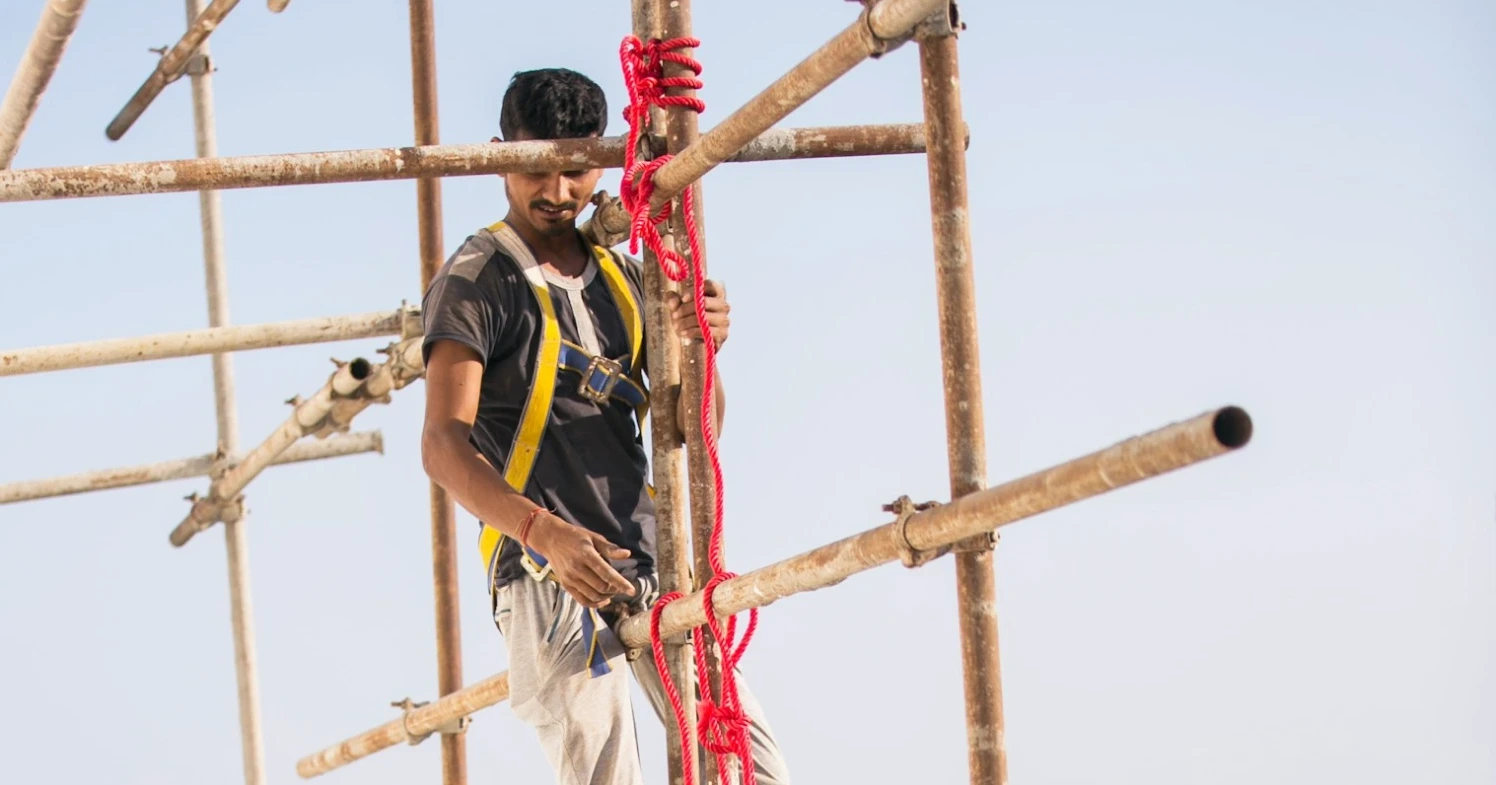
Besides being left without pay, the working conditions were, as they say, extremely difficult: they worked twelve hours a day, with only two days off per month. The problems began even before the final non-payment, because, according to Ajit's claims, the employer inexplicably reduced some workers' monthly amounts by one hundred, two hundred, and even five hundred euros. An additional blow is the threat of being thrown out of the apartment, given that the employer did not pay the rent for the last two months, which, according to the contract, he was supposed to pay until July 2026.
Because of this entire unpleasant situation, the workers turned to Novi sindikat for help. 'We then contacted the company owner himself, because that is some kind of procedure, to contact him as a social partner. To this day we have received no response from him whatsoever,' said Tomislav Kiš, the union's general secretary, appearing on RTL Direkt.
The company owner did not want to stand in front of the cameras, but in a brief written response he stated: 'Due to changes in the law on the employment of foreigners and prolonged procedures for issuing work permits and securing accommodation, there has been a slowdown in operations and major operational difficulties in the entire delivery sector. The company is currently restructuring, and solutions are being sought in parallel so that all obligations can be properly aligned.'
But while this company 'restructuring' is ongoing, the owner has opened a restaurant with partners in the very center of Zagreb. When RTL Direkt journalists contacted him again by phone about this, he briefly said: 'That is a different company. I am only a partner there, it has nothing to do with this situation.'
Lawyer Frane Letica explained that non-payment of wages can, in certain circumstances, also constitute a criminal offense. 'Anyone who does not pay part of, or the entire salary to one or more workers, commits that criminal offense,' Letica emphasized, but added: 'If the inability to pay wages occurred due to illiquidity and lack of funds, then we can speak of a non-criminal act. However, the employer has an obligation to primarily pay wages to their workers. They do not have the right to distribute profits, they do not have the right to incur additional debt for goods, before wages have been paid.'
The union says it will not give up the fight for workers' rights. 'We have already contacted the labor inspectorate, we will also contact the platform for which that intermediary worked, and we will also contact the agency for the payment of such claims,' announced Kiš, general secretary of Novi sindikat.
Meanwhile, the workers from India and Nepal are not only worried about how to survive in Croatia, but also how to help their families who are completely dependent on them. 'My father is a heart patient, so he does not work. I came to Croatia to help both my brother and my sister. Because of all this, my mental health has also deteriorated over the last two months. Without money, how am I supposed to survive here? It is too expensive here, you know that well,' said Indian national Azeem in an emotional testimony for RTL Direkt.
These delivery workers currently do not even have money for a return plane ticket home, while they wait for the situation to be resolved and for their honestly earned wages. Their story, published by RTL Direkt, has once again opened the painful question of the position of foreign workers in Croatia.