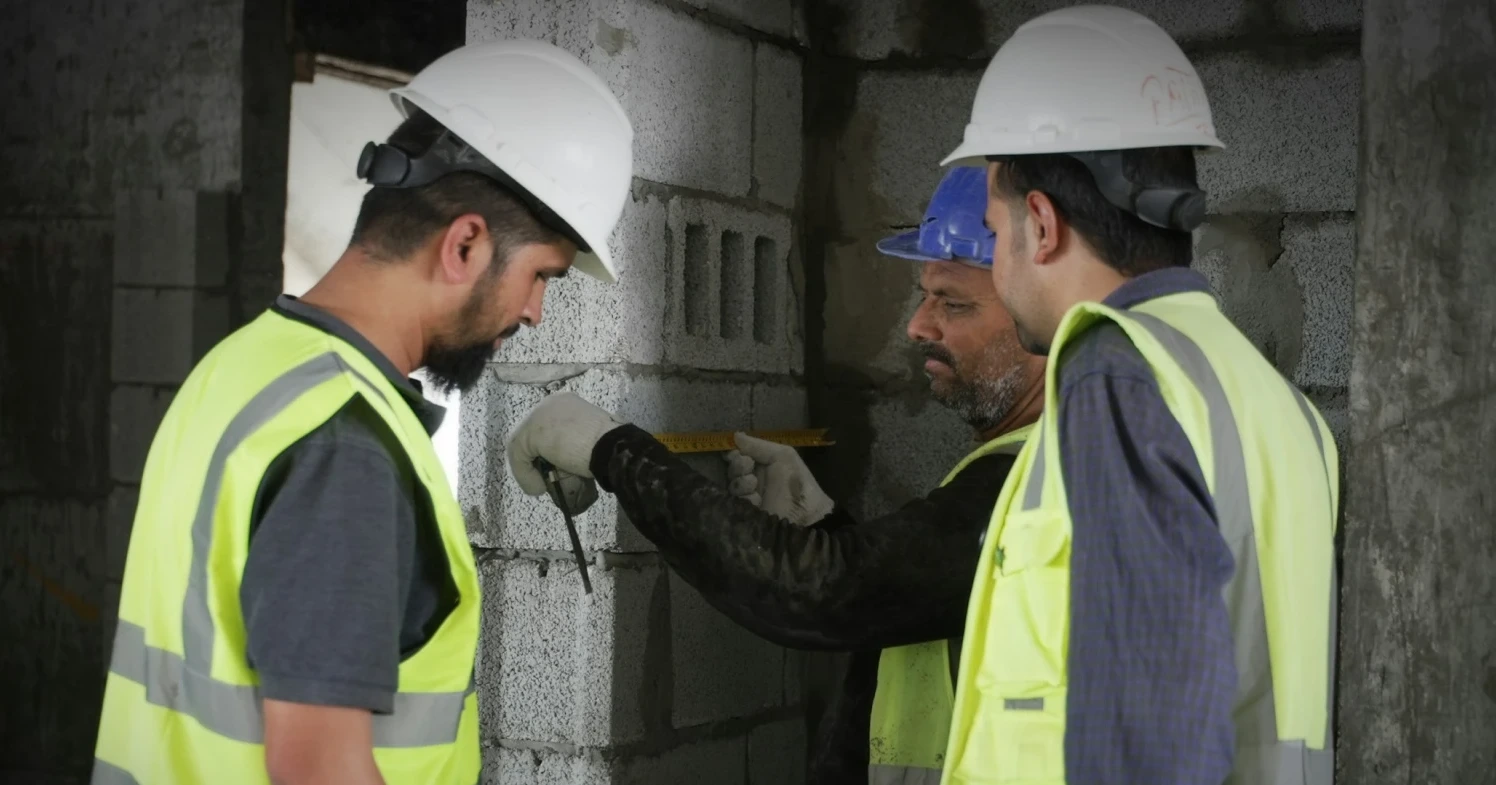


Croatia foreign workers
Croatia Introduces Croatian Language Test: Which Foreign Workers Will Be Exempt
07.09.2026.
10/15/2022

Of the more than 86 thousand residence and work permits for foreigners in Croatia, issued by the end of August this year, the fewest were for seasonal workers, and the most were for new employment, according to Interior Ministry data.
These are foreigners from so-called third countries who are not citizens of member states of the European Economic Area (European Union, Liechtenstein, Norway, Iceland) or Switzerland. According to Interior Ministry data, by the beginning of October in Croatia 10,316 citizens of third countries had been granted permanent residence or long-term stay, and 96,526 had valid temporary residence.
Of this year's 86,032 issued residence and work permits, 53,544 were issued for new employment, 16,413 for permit extensions, and 16,075 for seasonal workers.
By sector, foreigners are most sought after in Croatia in construction (33,501 permits), tourism and hospitality (28,191), industry (10,916), transport and communications (4419), and agriculture and fisheries (1866).
The most residence and work permits were issued to citizens of Bosnia and Herzegovina, 26,166, Serbia 15,030, North Macedonia 8,079, Nepal 7,994, and Kosovo 6,028.
The Interior Ministry recalls that until January 1 of last year, residence and work permits for citizens of third countries were issued on the basis of a government decision on the annual quota. However, the new Foreigners Act stipulates that the government no longer adopts a decision determining the annual quota of permits for the employment of foreigners, but that residence and work permits may be issued on the basis of an opinion from the Croatian Employment Service.
The Employment Service must first determine whether workers can be found on the domestic labor market. If domestic labor cannot be found, the employer submits a request for the issuance of a residence and work permit for a specific foreigner, and the Croatian Employment Service, based on the submitted request, issues an opinion on whether the employer meets the conditions for employing foreign labor.
“The competent police administration or station issues a residence and work permit, with a positive opinion from the Croatian Employment Service, if that foreigner has not been finally convicted of criminal offenses, if they are not a threat to public order, national security or public health, if they do not have an entry and stay ban in the Republic of Croatia or an alert issued in the Schengen Information System for the purpose of banning entry,” they claim at the Interior Ministry.
In accordance with the Foreigners Act, a residence and work permit is issued for the time needed to perform the job, that is, for the period for which the employment contract was concluded, and for no longer than one year. For a seasonal worker, a residence and work permit may be issued for no longer than six months.
Foreigners whose residence and work permits expire are obliged to leave Croatia, unless they have previously submitted an application for a new permit or approval of temporary residence.
The Interior Ministry also notes that citizens of third countries may be granted long-term stay if they have had approved temporary residence, asylum, or subsidiary protection in Croatia continuously for five years and if they meet the other legal conditions.
That would mean that they possess sufficient means of support, have health insurance, provide proof of knowledge of the Croatian language and Latin script, and that it has been established that they do not pose a danger to public order, national security, and public health.
Certain categories of citizens of third countries may also be granted permanent residence under more favorable conditions, for example family members of a Croatian citizen who have had approved temporary residence continuously for at least four years for the purpose of family reunification, they add at the Interior Ministry.
As of October 4 this year, a total of 10,316 citizens of third countries in Croatia have been granted permanent residence or long-term stay in accordance with the Foreigners Act, and 96,526 have valid temporary residence. The most temporary residences were granted for the purpose of work (85,342), while 9,504 persons received temporary residence due to family reunification.
Source: index.hr