

Germany pensions
Germany Considers Retirement Based on Years Worked, Not Age: 'What Will I Do After 70?!'
09.12.2025.
05/29/2025

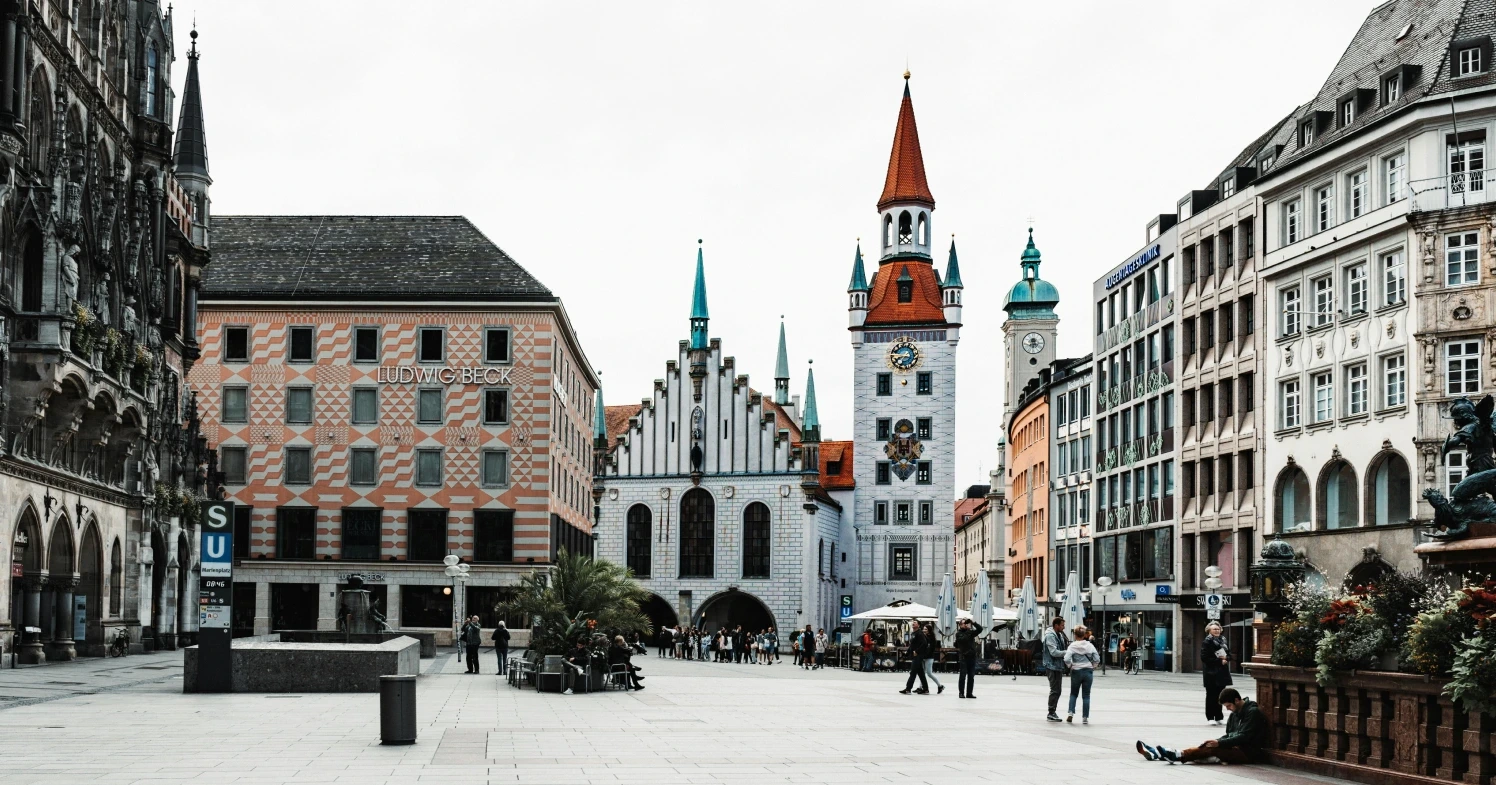
Photo taken from the platform Freepik.
In recent weeks, Germany has been facing an intense debate about working hours, sparked by Chancellor Friedrich Merz's statement that it is necessary to work more and more efficiently.
His position was also supported by CDU Secretary General Carsten Linnemann, emphasizing that productivity forms the foundation of German prosperity and social security.
Particularly current is the issue of the possible abolition of the eight-hour working day. According to the coalition agreement, replacing the daily limit with a maximum weekly working time is being considered, which would allow greater flexibility, especially for families with children and those caring for family members. Linnemann points out that such a change could positively affect the balance between private and professional life, writes Deutsche Welle.
Trade unions and left-wing parties sharply criticized this initiative, warning that abolishing the eight-hour working day could increase the burden on employees. The doctors' association Marburger Bund emphasizes the importance of the existing legal limits as worker protection, reminding that exceptions already exist that allow exceeding the daily maximum.
Currently, in Germany the working day is limited to eight hours, with the possibility of extending it to ten hours in exceptional cases, while the weekly maximum is 48 hours. Nevertheless, there are sectors with a large number of overtime hours, and comparisons with other countries are often made difficult due to different part-time work models.
The Social Democrats support flexibilization, but emphasize the need for greater social solidarity and a fairer distribution of burdens, especially between men and women in unpaid work. They also stress the importance of tax relief for those with lower and middle incomes, while maintaining the stability of social insurance contributions through structural reforms.
The debate on abolishing the eight-hour working day thus remains at the center of political and social disputes, balancing the need for greater flexibility and the protection of workers' rights.