

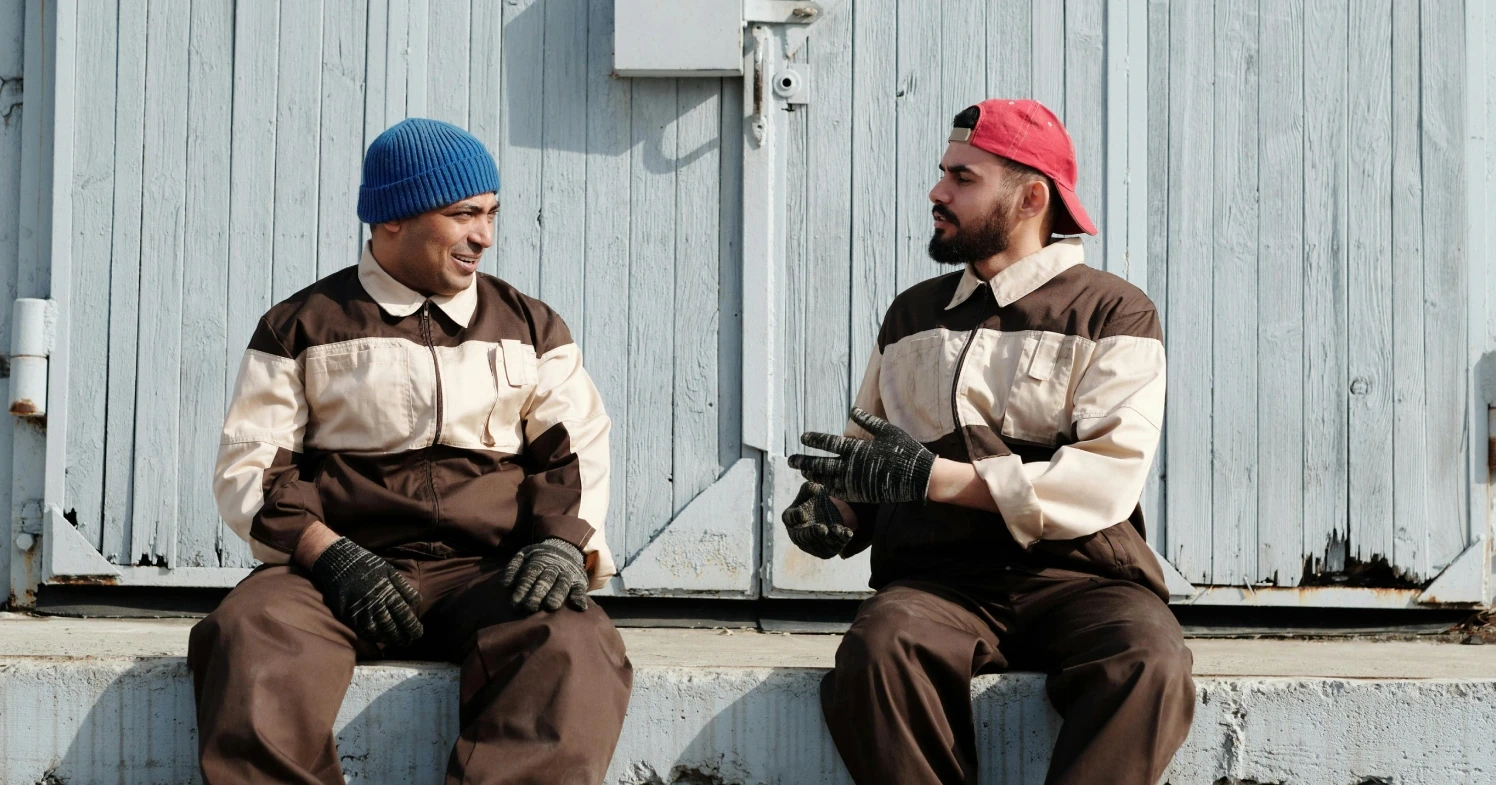
Croatia foreign workers
Record Numbers of Foreign Workers in Croatia: Nepalis Catching Up with Bosnian Citizens
17.12.2025.
07/17/2022

Foreign workers are most numerous in construction, 25,478, followed by hospitality and tourism with 21,887, then industry with nearly eight thousand workers, transport and communications with more than three thousand, and agriculture and fisheries with one and a half thousand
It would be impossible to organize work in certain sectors in Croatia without foreign workers, but employers are also increasingly relying on retired people, who by law can work up to half of full-time hours without losing their pension. At the end of June, almost 23 thousand retirees were working up to half-time, which is a record number, while 65,393 foreign workers had work permits. The number of foreigners and retirees working thus altogether reached the number of insured persons, people who have any kind of established employment relationship, in Zagreb County, and as many as 15 Croatian counties had a smaller number of insured persons. Croatia has as many as 14 counties in which the number of insured persons is smaller than the total number of work permits issued at the national level.
Relying on the trend of growth in issued residence and work permits for foreigners over the past several years, the Ministry of the Interior estimated that, if this trend continues, by the end of this year the number of issued work permits for foreigners will exceed one hundred thousand. Last year, by the end of the year, that number of permits for foreign workers was slightly less than 82 thousand.
Asians are coming
Perhaps more interesting than that estimate, which was expected anyway, is how the citizenship structure of foreigners seeking a better life in Croatia has changed over the past several years. At the top of the list for years were the countries created by the breakup of the former Yugoslavia, with the addition of Ukraine and Albania, and then last year Nepal rose to fifth place. However, workers from Nepal are currently in third place, immediately behind workers from Bosnia and Herzegovina and Serbia. In addition, India ranked sixth this year among the countries from which foreigners come to work in Croatia.
Retirees rolled up their sleeves
In June, the number of retirees working up to half-time also increased, so on the last day of the previous month, as the Croatian Pension Insurance Institute told us, there were 22,833 pension beneficiaries working up to 20 hours a week. This means that in June, compared with May, the number of working retirees increased by 685, and for the most part this increase occurred due to their engagement in tourism. At the end of June, along with foreigners, 1,946 retirees were also working in that sector. The largest number of retirees, 3,908 of them, work in trade, which is 17 percent of the total number of all retirees who work.
In PGŽ, at the end of last month 2,439 retirees were working, which means that more than ten percent of Croatian retirees who worked last month were from PGŽ. In both PGŽ and Croatia, men make up two thirds of retirees who additionally work.
This year, 20,341 work and residence permits were issued to citizens of neighboring BiH, Serbia is in second place with 11,561 permits, and on June 30, 6,295 Nepalis had a work and residence permit in Croatia. Slightly more than six thousand permits were issued for workers from North Macedonia, 4,676 workers came from Kosovo, and 3,258 from India. Just a few years ago, the figures for workers from neighboring countries were significantly higher, while workers from Nepal and India were counted in the hundreds. Citizens of BiH and Serbia are increasingly skipping Croatia and going to work in Western European countries, where hundreds of thousands of Croatian workers have also found better working and living conditions. Thus, 15 percent of foreigners working in Croatia came from two Asian countries, and it is probably only a matter of days before Nepalis and Indians currently working in Croatia also head West, where they can get better conditions.
Waiters and bricklayers
The MUP also explains to us that this year 41,851 work and residence permits were issued for new employment, that 11,981 permits were extended, and that 11,561 permits were issued for seasonal work. Of the permits issued for new employment, the largest number relates to tourism and hospitality, 10,609.
However, if all issued permits for foreign workers are taken into account, construction still leads with 25,478, followed by hospitality and tourism with 21,887, then industry with nearly eight thousand workers, transport and communications with more than three thousand, and agriculture and fisheries with one and a half thousand. These are the sectors in which there were also the most permits for foreign workers in previous years. As for occupations, waiters lead, followed by bricklayers.
The most work in issuing permits for foreigners was done by the Zagreb Police Administration, which issued more than 15 thousand permits, followed by police administrations in the counties on the Adriatic, so in second place is the Istria Police Administration with 10,650 issued permits, while the police in Split-Dalmatia County issued 6,876 work and residence permits for citizens of third countries.
Number of workers
1. BiH – 20,341
2. Serbia – 11,561
3. Nepal – 6,295
4. Macedonia – 6,101
5. Kosovo – 4,676
6. India – 3,258
By June 30, the Primorje-Gorski Kotar Police Administration had issued 6,506 permits for foreigners. When retirees working half-time in PGŽ are added to that, currently around ten percent of employees are foreigners and people in retirement, and if those working in the public sector, state-owned or local companies were excluded from the total number, the share of foreigners and retirees would be significantly higher.
Source: novilist.hr