

Zagreb salaries
Zagreb Salaries Significantly Higher Than Last Year: Average Salary Reaches €1,782
10.07.2026.
12/02/2025
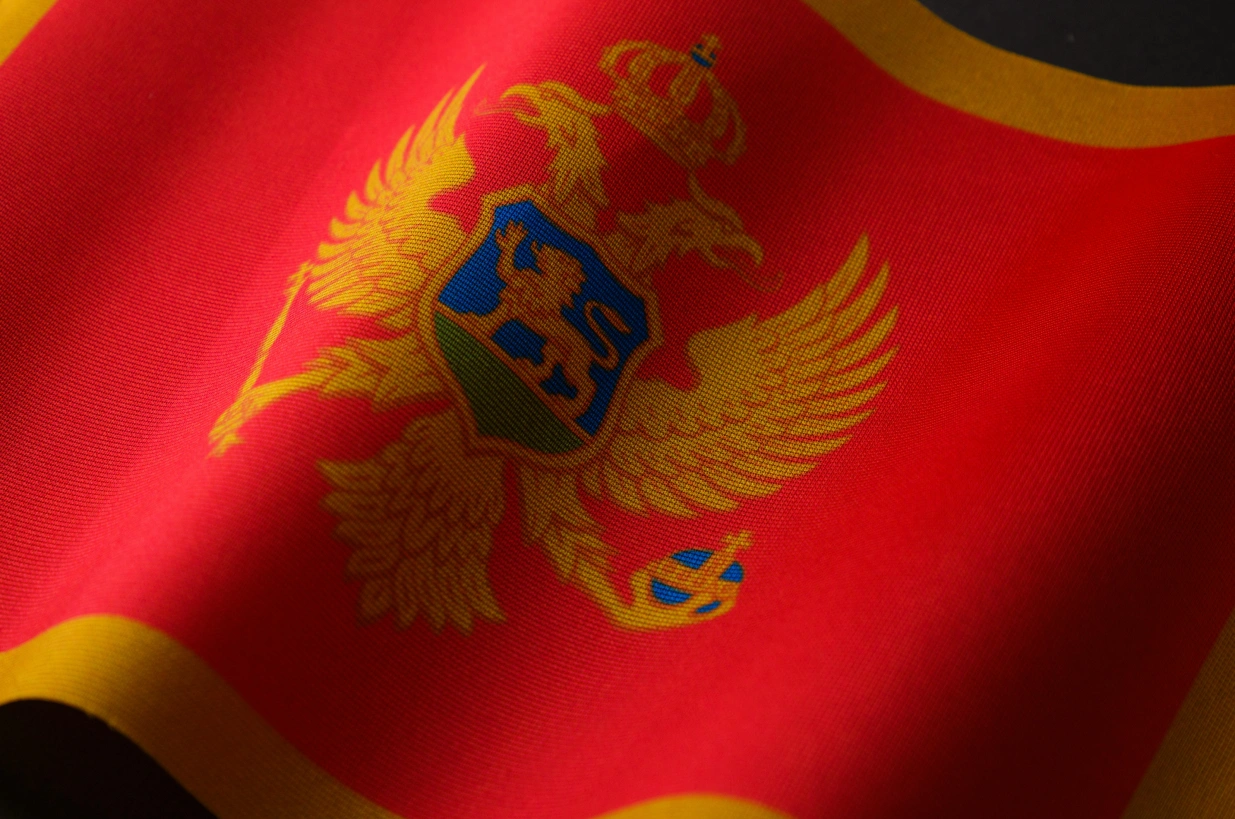
The Statistical Office of Montenegro, Monstat, has published the latest data on average monthly wages in Montenegro, and the analysis of wage trends during 2025 indicates exceptionally slow growth, which directly affects the purchasing power of citizens.
Comparing the January and October figures, it is clear that the nominal wage increase was minimal.
According to official Monstat data, the average gross wage in Montenegro in October 2025 amounted to 1211 euros. At the same time, the average wage without taxes and contributions, that is, the net wage, amounted to 1016 euros. These figures represent the starting points for assessing economic dynamics within Montenegro.
The key element of this analysis is the comparison with data from the beginning of the year. Monstat reported that in January 2025, the average gross wage amounted to 1198 euros, while the net wage was 1004 euros.
It follows that over nine months, from January to October 2025, the nominal increase in the average gross wage in Montenegro amounted to only 13 euros. Even more important for household budgets is the fact that the average net wage in the same period increased by only 12 euros.
Such exceptionally modest nominal growth of just over 1% suggests that the momentum of more significant wage increases, achieved at the end of the previous year, largely came to a halt in 2025.
The average net wage in October 2025 remained at the same level compared to the previous month, September. However, Monstat states that in October a decline in consumer prices of 0.2% was recorded compared to September, which led to a slight increase in real wages of 0.2% in that monthly period.
Still, this slight recovery follows strong pressure on purchasing power from the beginning of the year. In January 2025, while the average net wage recorded a decline of 0.8% compared to December 2024, consumer prices simultaneously increased by 1.2%. As a result of this trend, real wages in Montenegro recorded a significant decline of 2.0% in January.
The figure of a minimal nominal increase of 12 euros net over nine months, despite the fact that statistics record annual growth of 7.6% compared to October of the previous year, is actually the most relevant indicator for Montenegrin employees. It reflects the slowdown in the growth of living standards and the difficulties in catching up with earlier price increases within the current year.