Germany Austria
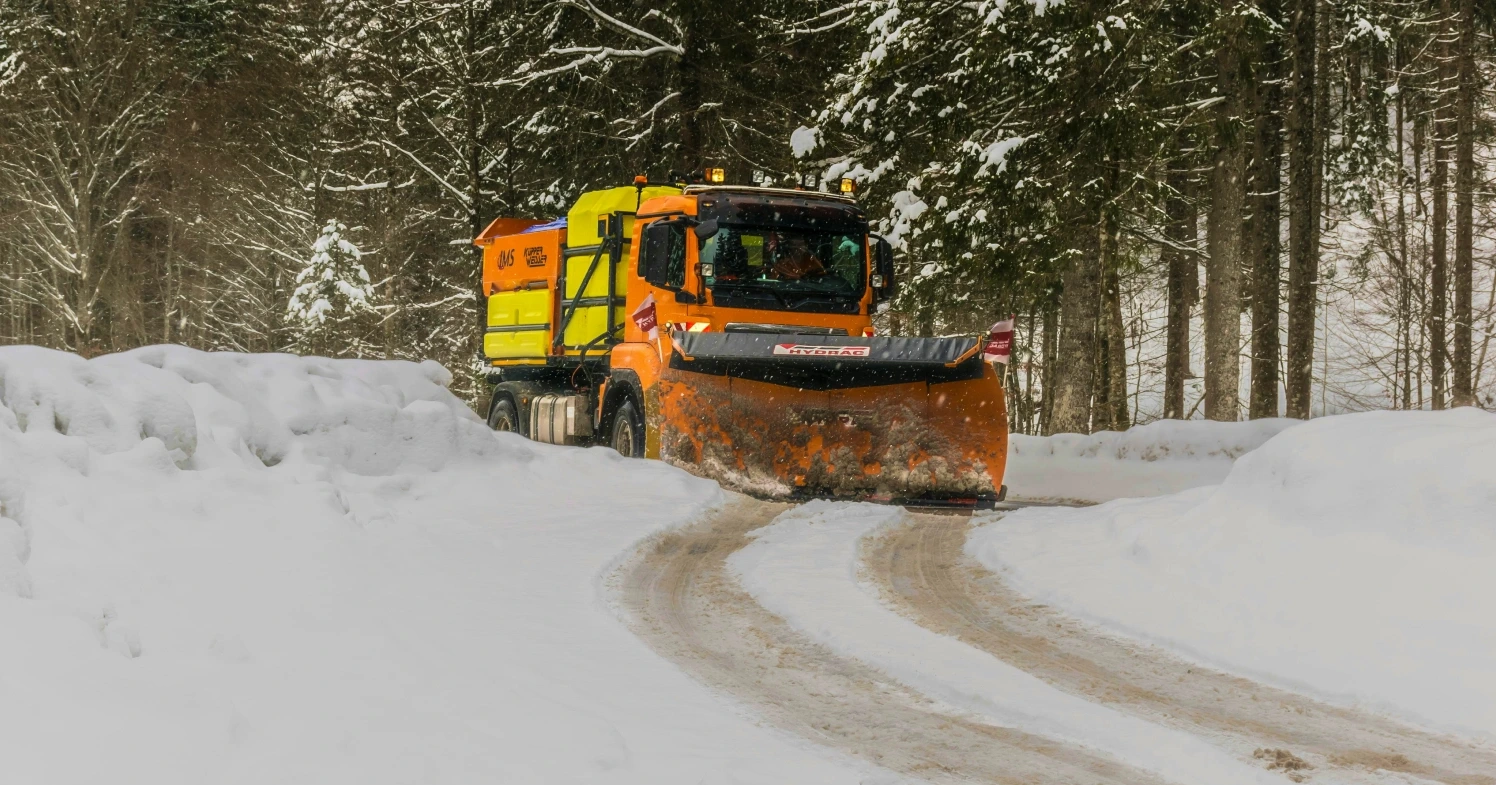
Snow Chaos Paralyzes Traffic in Austria and Southern Germany: 'Over 150 Flights Canceled'
20.02.2026.
10/29/2026

The average old-age pension for men in Austria in 2025 amounted to 2,434.77 euros, while for Germany an average monthly payment of 1,390 euros for men is reported.
The difference on paper exceeds 1,000 euros, but these amounts do not directly show how much pensioners have left to live on. Sanja Covic writes about the differences between the systems for Fenix Magazin, citing higher contributions, a broader group of insured persons, and different conditions for qualifying for a pension.
Austrian pensions are statistically presented in gross amounts, before deductions, and are paid 14 times a year. Therefore, for a fair comparison, annual income after taxes and contributions should be considered. Additional pensions through the employer or private savings should also be taken into account, which play a more important role in Germany. Fenix also warns that 'direct comparisons between Germany and Austria are difficult'.
For employees in Austria, the worker and employer together pay 22.8% of gross salary into pension insurance, while in Germany the rate is 18.6%. For example, on a gross salary of 3,000 euros, that is a total of 684 euros in Austria, or 558 euros in Germany. Higher contributions, along with money from the state budget, make it possible to finance higher pensions.
The Austrian system also covers a broader group of people who are required to pay contributions, including the self-employed. In Germany, most self-employed people are not mandatorily included in the general pension insurance system, and civil servants have a separate system. In other words, there is also a difference in who pays in the money and whose pensions are included in a particular average.
For a regular old-age pension in Germany, 5 years of insurance are generally sufficient, while in Austria 15 years are required. The German average therefore also includes small pensions of people who paid contributions there for only a short time. That does not mean they worked their whole lives for such a low pension. For people who have worked in several countries, insurance periods can be added together when checking eligibility conditions.
Austrian pensions are indeed higher, but a difference of 1,000 euros is not the rule for every pensioner. For a personal comparison, the decisive factors are previous salary, years of insurance, taxes, and all additional income. Only their sum shows how much money a person actually has available during the year.